A Gold Mine Collapse in Colombia Killed 13 People. Here's Why It Happened.

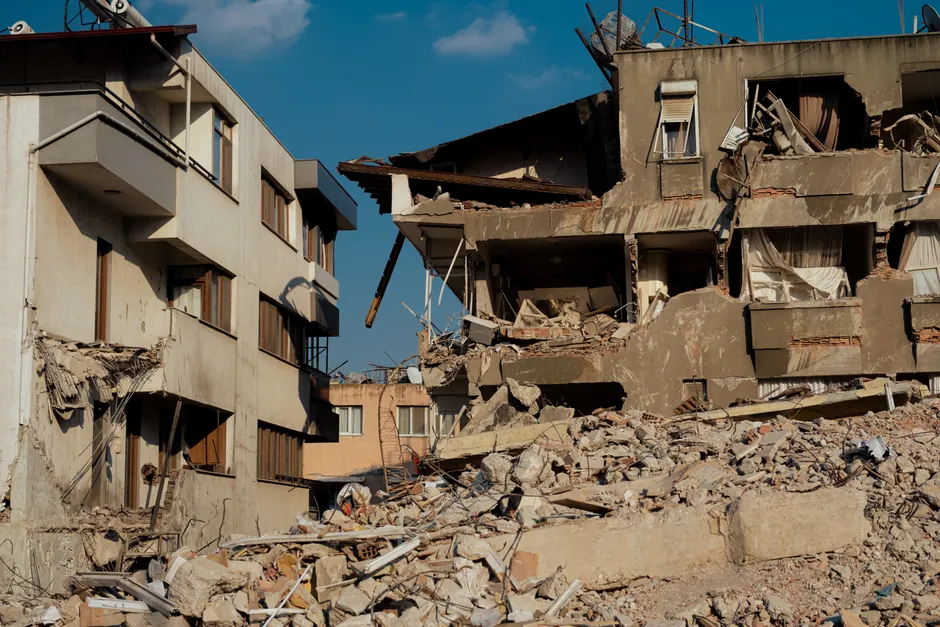
At least 13 workers were killed and seven injured when a landslide hit an unlicensed gold mine near Policarpa, a town in southern Colombia, on a Wednesday afternoon. Emergency workers and local residents dug out the bodies using mechanical diggers. News outlets around the world reported the disaster on August 20, 2026 (BBC; Chicago Tribune; Euronews).
Witnesses said they heard an explosion at the mine just before workers below were trapped. Four of the 13 people killed were from the same indigenous family. About 50 people worked at the mine regularly, most of them from the Quillacinga indigenous group, according to local residents.
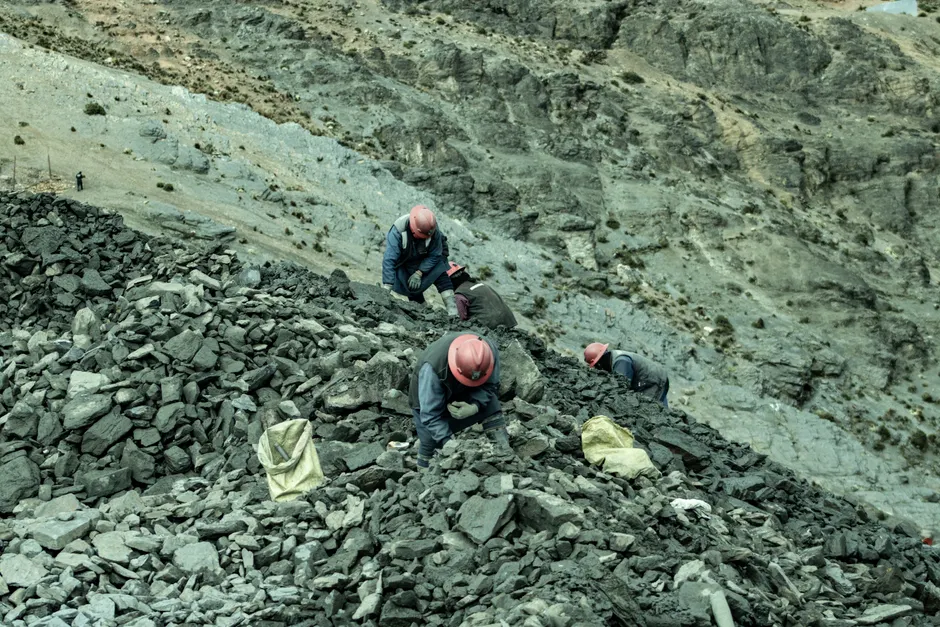
To understand why this matters beyond the immediate loss of life, it helps to know what kind of mining this was. The mine was "artisanal," meaning small-scale mining where people dig for gold using basic tools instead of large machines. It was also unlicensed, which means the government had no record of it and no one was checking whether it was safe. An estimated 200,000 to 400,000 people work in artisanal mining across Colombia, and much of it happens outside any official rules.
The mine was in Nariño, a province bordering Ecuador and the Pacific coast. Gold mining there is driven by high global gold prices and the fact that rural communities have few other ways to earn a living. Many of the workers were from the Quillacinga indigenous group, which reflects a broader pattern: indigenous communities often end up doing this dangerous, informal work because they have limited options. That four members of one family died shows how whole families and communities are tied up in this kind of mining.
The challenge for Colombia's government is a big one. Hundreds of thousands of people work in artisanal mining in a kind of shadow economy. The mines operate without the safety inspections that legal mines must pass. Every time a collapse like this happens, it reveals the gap between what the law says and what is actually happening on the ground.
The question now is whether the government will crack down on unlicensed mines, or whether the economic pressures of rural Colombia will keep things as they are. This was not a one-off event. Across the Andes, the same mix of unlicensed mining, basic digging methods, and indigenous labor has led to similar disasters. The rescue effort itself, done with diggers by locals and emergency teams together, shows how deeply these communities are involved in the mines.
The details are still limited, but they point to a risk that reaches far beyond this one site. Artisanal miners across Colombia face the same dangers every day. Without government oversight at unlicensed mines, more disasters like this one are likely.