A Gold Mine Collapse in Africa Killed Over 100 People — Here's Why It Happened
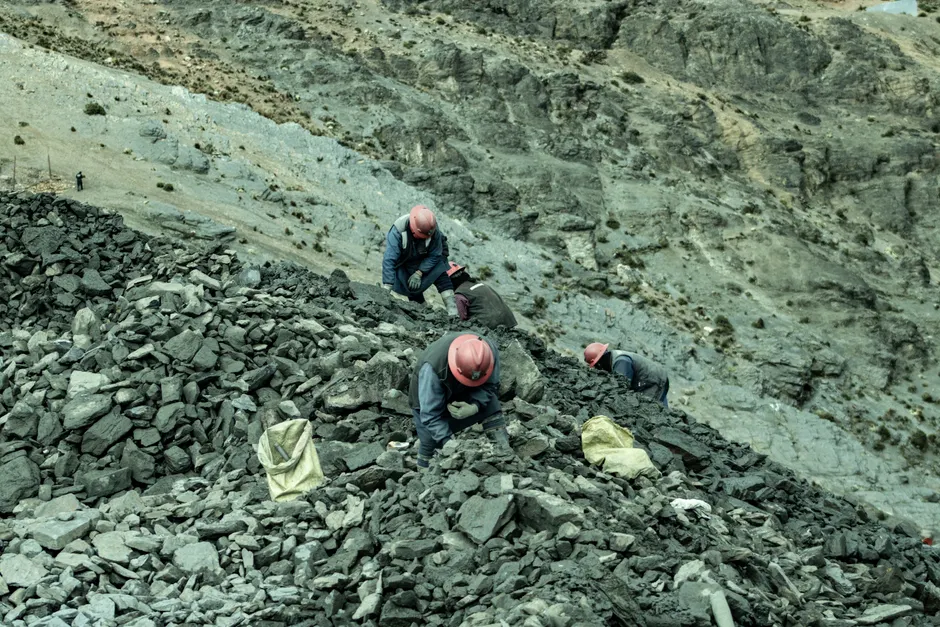
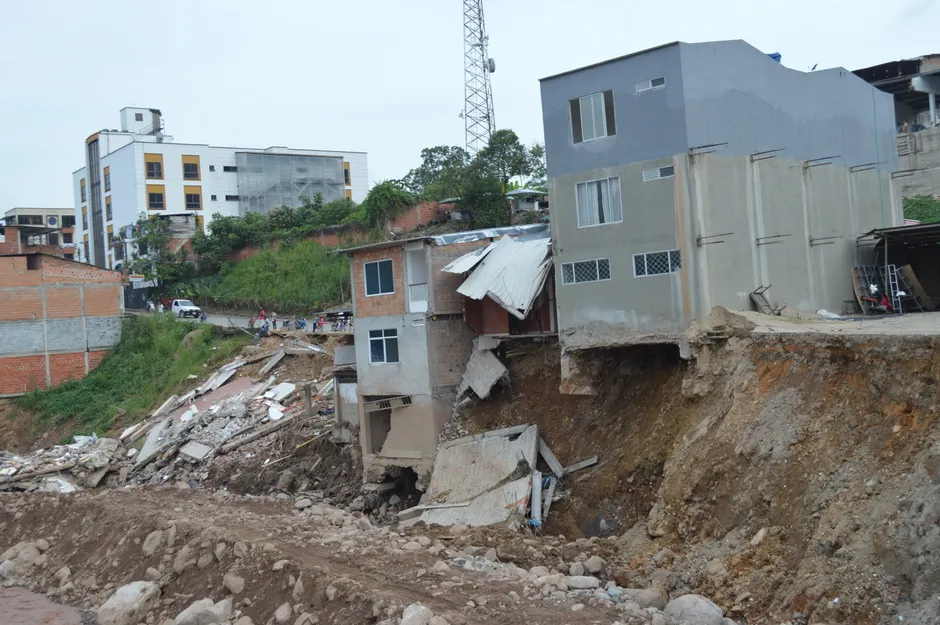
More than 100 people died on August 19, 2026, when a landslide buried an illegal gold mining site in the Central African Republic, according to a mining group at the site (Reuters). The mine was what experts call an "artisanal" operation, meaning workers dug for gold by hand using simple tools rather than the large machines used at industrial mines (ABC News). The site was operating illegally, without a government license or safety checks (Times of India).
The death toll, confirmed by several news outlets on August 19, makes this one of the deadliest mining disasters in Africa in recent years (Washington Post; ABC News). Landslides at these kinds of mines are not unusual in Central and West Africa, but the number of deaths here is far higher than what is typically seen.
Artisanal gold mining means people dig pits by hand, often going deep underground without reinforcing the walls or testing whether the surrounding ground is stable. Think of it like digging a deep hole in wet sand at the beach. When the rainy season comes, water soaks into the soil and weakens the pit walls, making collapses much more likely. Because these mines are informal, they are not inspected by safety regulators the way legal mines are.
The Central African Republic has a lot of gold, and many people turn to mining it because they have few other ways to earn a living. But the government has limited ability to monitor mining sites, and armed groups control some of the areas where gold is found. These conditions make it easy for illegal mines to open and hard for safety rules to be enforced.
The broader context here is that this kind of disaster is part of a larger, ongoing problem. Deaths from artisanal mining across Africa are likely much higher than reported numbers suggest, because many of these sites are in remote areas with no emergency services nearby. When a collapse happens at an illegal mine, rescue efforts are often delayed or do not happen at all, and it can take days to learn how many people died. The fact that more than 100 deaths were reported on the same day as the collapse suggests either a very large collapse or a site where an unusually large number of workers were concentrated in one pit.
There is another side to this story. Gold from these illegal mines does not just disappear. It passes through middlemen in neighboring countries and eventually reaches global markets, where it may end up in jewelry or electronics. When a disaster like this draws public attention, the companies that buy and refine that gold can face questions about where their supplies come from and whether they are doing enough to ensure their gold was mined safely.
The fact that a "mining group" reported the death toll, as cited by Reuters, raises questions about who was present at the site and what role they played. The Central African Republic's mining sector includes a mix of licensed companies, worker cooperatives, and illegal operations that sometimes overlap in the same areas. Without more information from authorities, the connection between the group that reported the deaths and the illegal site itself is unclear.
What happens next depends on how the government responds. Past mining disasters in the region have tended to follow a familiar cycle: officials condemn the incident, mines are temporarily shut down, and then operations eventually resume without meaningful changes. If this incident follows that path, the deaths will become part of a pattern that reforms have not yet broken. If the government takes more sustained action, it would be a break from the usual approach.
The confirmed facts at this point are limited. The cause was a landslide. The death toll exceeds 100. The mine was artisanal and illegal. What is still unknown includes the exact location of the site, who the reporting mining group is and what role they had, whether rescue operations are ongoing, and whether the government has launched an investigation. As more information comes out, some of these gaps may fill in. For now, the event stands as a deadly result of unregulated mining in a country where the distance between its mineral wealth and its ability to oversee that wealth has long been a defining feature of the sector.