What Happened to Claire Lomas: The Inquest Explained
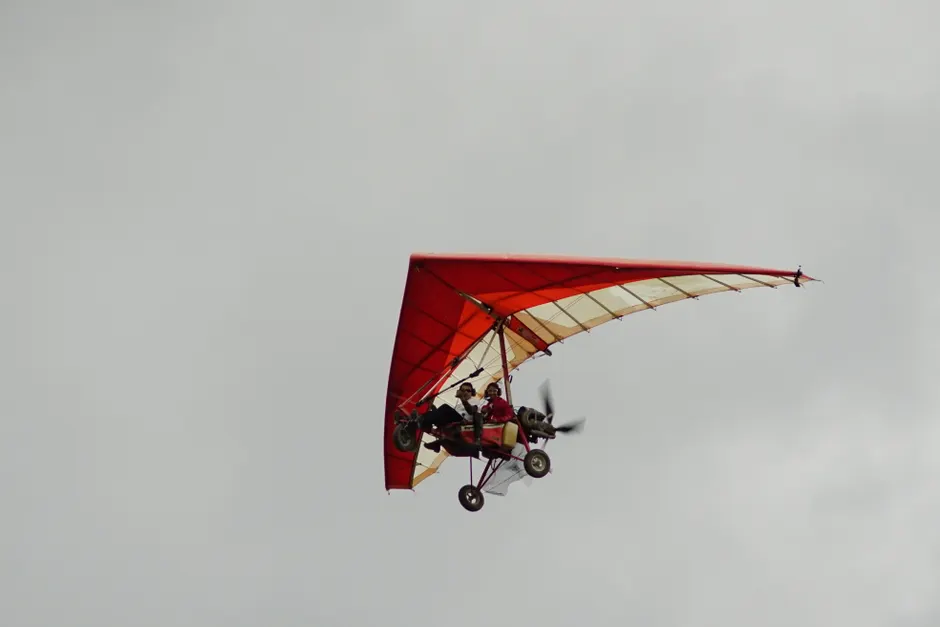
A coroner has ruled that disability campaigner Claire Lomas died by accident after a small aircraft crash in Jordan nearly two years ago.
Louise Pinder, a senior coroner in the UK, delivered the ruling on Thursday. Lomas, who was 44, died on 22 August 2024. She had been injured five weeks earlier, on 15 July 2024, when the small aircraft she was flying went off the runway and hit rocks in Amman, the capital of Jordan.
The aircraft was a microlight — a very small, lightweight plane with an open frame, often used for sport flying. At the time of the crash, Lomas was filming a promotional video for Apple's Vision Pro headset, as part of a series called "Adventure" made for the virtual reality device. A wide-angle camera was attached to the aircraft during the flight. The inquest heard no evidence that the camera caused any problems with how the plane flew.
According to the coroner, Lomas was trying to land but the aircraft was not lined up correctly with the runway. She tried to abort the landing — meaning she tried to pull up and try again — but the plane touched down hard, turned left, went off the paved surface onto gravel, and hit rocks about 10 metres from the road. The crash caused serious injuries that Lomas would not recover from.
The Royal Aero Sports Club of Jordan looked into the incident and found that no safety rules had been broken. Coroner Pinder also said she heard no evidence that any problems with the planning or risk assessment before the flight contributed to Lomas's death.
The microlight Lomas was flying had been specially adapted so she could fly it without using her feet. Ben Ashman, a designer whose company built the adapted version, told the inquest he thought Lomas might have been stressed before the flight. He based this on a Facebook post where she wrote about putting her "brave pants" on. The coroner did not use this as a factor in her ruling.
Lomas's family raised concerns during the inquest about the medical care she received in a Jordanian hospital after the crash. The coroner acknowledged those concerns but said there was not enough evidence to determine whether anything was missed in her treatment. So the inquest could not make a judgement about the quality of care Lomas received during the five weeks between the crash and her death.
Claire Lomas was paralysed from the waist down after a horse-riding accident in 2007. In 2012, she became the first person to complete the London Marathon using a "bionic" suit — a robotic device that supports the legs and helps someone with paralysis walk. The achievement brought her international attention and made her a well-known campaigner for spinal injury research and disability rights. She raised more than £900,000 for the Nicholls Spinal Injury Foundation before her death.
Katherine Allen, a lawyer for the Lomas family, said the inquest's conclusion marked "the end of a very difficult, emotional process" for the family.
The bigger picture is worth understanding. This case raises questions about several things at once: whether adapted aircraft are safe for pilots with disabilities, what safety rules should apply when companies film in aviation settings, and how well foreign nationals can access medical care in Jordan after a serious accident. The coroner's ruling closes the legal process in the UK, but the family's concerns about hospital care remain unanswered.
For the disability and aviation communities, there is a specific tension here. The adapted microlight did what it was designed to do — it let Lomas fly without foot controls — and the crash was blamed on the landing, not the adaptations. But the wider question of how companies assess risk when they put disabled pilots into new or unusual flying situations, especially in countries with different rules and medical systems, is likely to keep being discussed. The coroner found no link between risk assessment failures and this crash, but that does not mean the debate will end here.