What Happened to Celine Cremer: A Tourist's Death in Tasmania's Wilderness
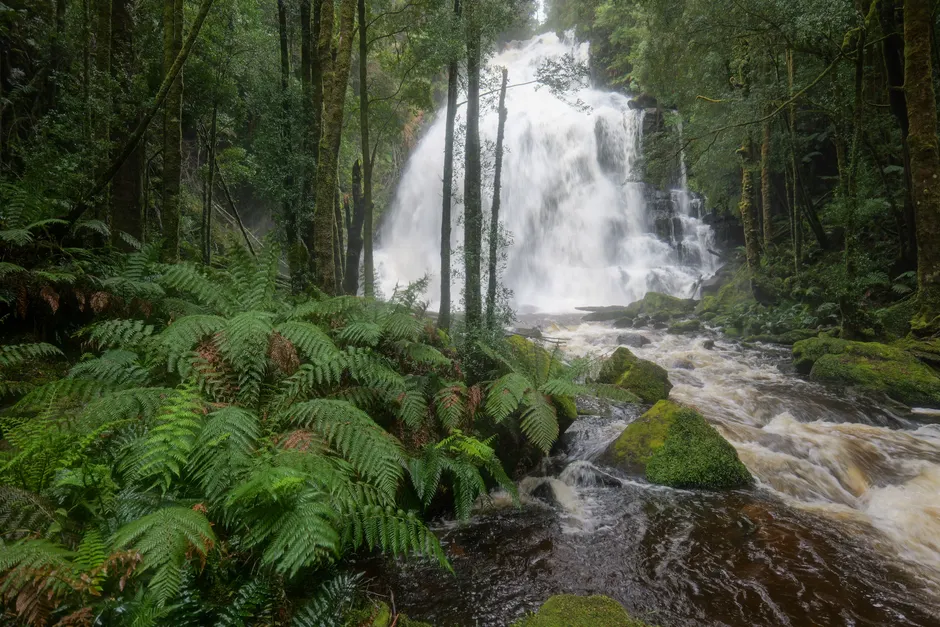
A coroner in Tasmania has ruled that a Belgian tourist named Celine Cremer died by accident in June 2023, after a series of small mistakes added up to a deadly situation. The 31-year-old went missing in a remote part of Tasmania, an island state off the southern coast of Australia known for its wild, often cold wilderness areas.
Coroner Madeleine Wilson described what happened as a "confluence of errors" — meaning several things went wrong one after another, and each one made the next worse. Cremer set off on a walk at a place called Philosopher Falls on 17 June 2023. She was reported missing almost ten days later. She had visited a lookout point first, then took a walking track toward an area called Magnet Dam, where the path was not clearly marked. She wandered off the track and became lost.
The timing made everything harder. It was late in the day, just four days before the winter solstice — the shortest day of the year, when there is the least amount of daylight. Wilson found that Cremer likely became lost around 3:49 pm. After losing her phone, she became confused about which direction to go. Overnight temperatures were close to freezing, and Cremer did not have enough clothing to stay warm. She had nothing waterproof.
Losing her phone was a turning point. The phone was her only way to call for help, and phone signal in the area was patchy. She lost it late in the afternoon on the day she set out. The phone was not found until December 2025, when a volunteer search team discovered it. Information taken from the phone showed Cremer took photos and videos between 2:21 pm and 2:42 pm, and used Google Maps several times after that. The last time she used it was 4:18 pm. Wilson said Cremer's body ended up in the Arthur River, and that she may have slipped and fallen or tried to cross the river without success (The Guardian).
Police searched extensively at first but found no sign of Cremer. Her friends and family organised their own private search, and in January 2026 they found her remains near a river. On 27 February 2026, Tasmania Police confirmed the remains were hers (ABC News). It took about 30 months from when she disappeared to when her remains were found, which shows how hard it is to search in dense Tasmanian wilderness, especially in winter.
After the case, Tasmania Police said they would review how private search groups are used in missing persons investigations, including whether to create formal rules for working with them. This came up because official police searches could not find Cremer or her phone, but privately organised searches eventually found both. The question of how police and volunteer searchers should work together in remote areas is now part of that review.
Wilson's findings show a chain of small misjudgments rather than one big mistake. Walking in near-winter conditions without waterproof gear, on a track that was not clearly marked, late enough in the day that light was fading, and relying on a single phone in an area with weak signal: each of these on its own might have been fine. Together, they were deadly. The inquest did not blame any person or organisation other than Cremer's own choices about preparation. But the case raises questions about whether international visitors understand how harsh Tasmanian winter conditions can be, and what happens when you do not bring enough equipment.
The broader context here is that tourists have died in Tasmanian wilderness areas before. Tracks that look easy based on distance can become dangerous when the weather turns, daylight shrinks, or navigation fails. Philosopher Falls is not one of Tasmania's most remote or difficult locations, which makes this outcome more striking: even on a relatively accessible track, the margin for error in winter can be almost zero. For the agencies that manage land access, search protocols, and visitor safety information, Wilson's findings and the police review into volunteer search coordination may shape how future missing persons responses are carried out.