Gold Prices Are Climbing Again — Here's Why It Matters for Your Money
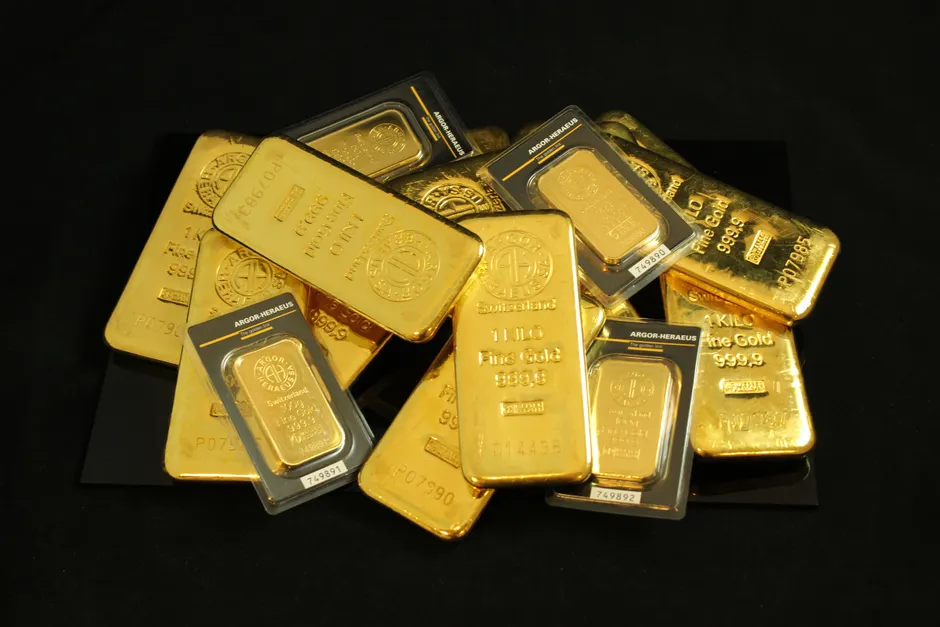
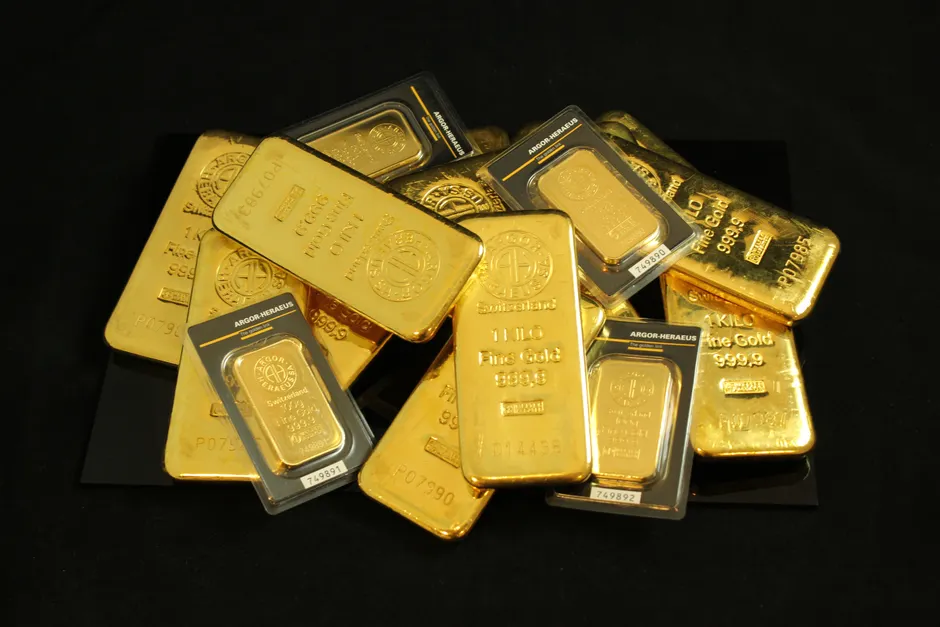
Gold prices rose on August 20, 2026, with U.S. gold futures settling 0.6% higher at $4,571.40 per ounce. Spot gold — the price for immediate delivery — dipped slightly to $4,516.19. The gains followed a bigger rally the day before, when futures jumped about 2% after the U.S. Treasury took steps to push down bond yields (Reuters).
The Treasury's move is the main reason gold went up. Here's the connection: gold doesn't pay you anything to hold it — no interest, no dividends. Bonds, by contrast, do pay interest, called a yield. When bond yields fall, gold becomes more attractive by comparison because you're giving up less to own it. Think of it like choosing between a savings account that pays 1% interest and one that pays 5%. When the rate drops, keeping your money elsewhere looks better. A 2% daily move in gold at current prices equals roughly $88 per ounce, which is a big swing in a market that has already risen dramatically. Gold soared 64% in 2025 and hit an all-time high of $4,917.65 per ounce in January 2026 (Reuters). Silver climbed too, reaching $96.58 per ounce that same month.
Gold is now below that January peak but has been climbing back over the summer. On July 21, 2026, spot gold sat at $4,068.29. A month later it was in the mid-$4,500s — a fast rise even for this market. For perspective, gold was around $2,516 in August 2024. It has roughly doubled in two years.
Wells Fargo, a major bank, said in mid-August 2026 that it still likes precious metals but lowered its price forecasts. The bank now expects gold to end 2026 at $4,900 to $5,100 per ounce, and 2027 at $5,400 to $5,600 (Kitco). Those new targets were set two days before this week's rally, when gold was trading lower than it is now.
The broader commodities picture also matters. The International Energy Agency found that prices for critical minerals — materials used in things like batteries and electronics — rebounded in 2025 and early 2026 after falling in prior years, driven by tight supplies (IEA). That's a different market from gold, but when physical goods across the board get more expensive, people worry about inflation, and gold is a traditional hedge against rising prices.
What this means for everyday savers and investors is that the big question is whether the Treasury can keep bond yields low. If yields stay down, the case for holding gold stays strong. Earlier this year, gold's peak was driven partly by fear — people buying gold as a safe place during tense geopolitical moments. That fear has faded. What's pushing gold now is more mechanical: lower yields mean gold costs less to hold, and buyers have been quick to snap it up whenever prices dip.
Wells Fargo's revised forecast is worth noting not as a prediction but as a window into how the big banks are adjusting to a market that has blown past their older models. Their 2027 ceiling of $5,600 would mean about 23% upside from today's prices over roughly 16 months — bullish by normal standards, but much slower than the 64% gold gained in 2025. Whether gold keeps climbing or levels off depends on the same forces that got it here: bond yields, how much gold central banks buy, and supply conditions across the wider commodities world.