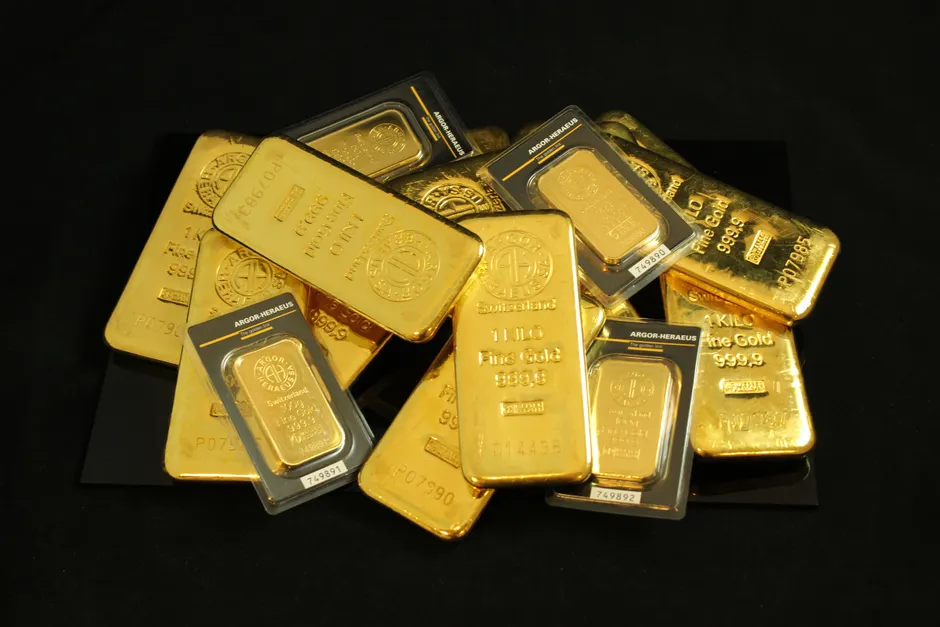
Gold Prices Top $4,600 — Here is What Pushed Them Up
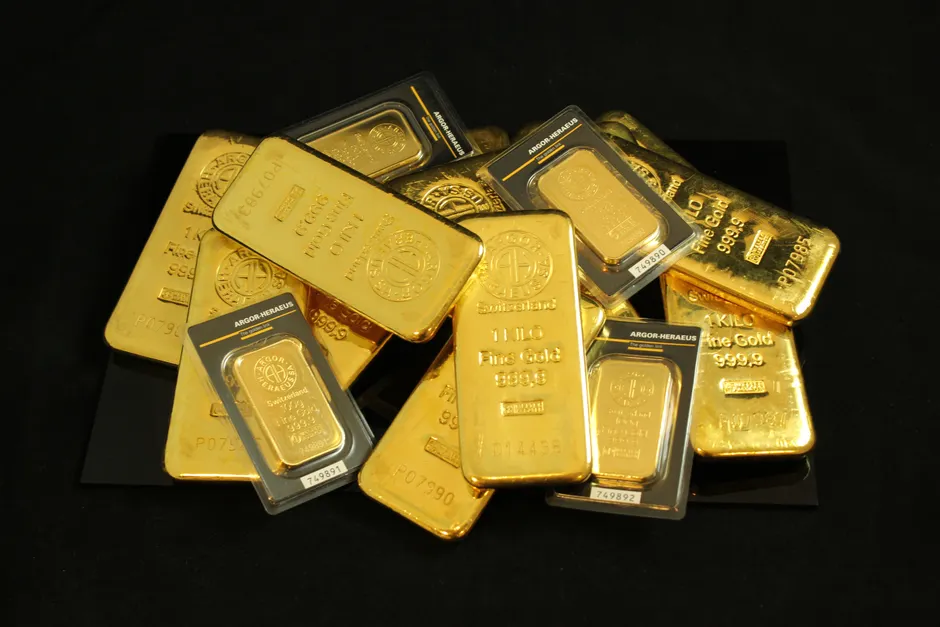
Spot gold hit $4,601.29 per ounce on August 21, 2026, reclaiming the $4,600 level and heading for a third straight weekly gain. By 0921 GMT, spot gold was up 1.6% at $4,591.01, while gold futures rose 1.7% to $4,648.00 (Reuters).
The catalyst traces back to August 19, when the US Treasury said it would double the amount of planned bond buybacks in the coming months. Specifically, it doubled buybacks for longer-dated bonds to at least $4 billion per operation (Reuters). A bond buyback means the government buys back its own debt from investors, which reduces the supply of those bonds in the market. When supply shrinks, bond prices go up and interest rates (yields) go down. The 30-year US Treasury yield fell toward 5.2% after reaching 5.34% on Tuesday (Anadolu Agency). The dollar index fell 0.84% to 98.80 the same day (Reuters).
Gold rose about 4% to an 11-week high on August 19 following the announcement (Reuters), surging over 3% to its highest level in over two and a half months (CNBC). Anadolu Agency separately reported gold jumping 3% to around $4,460 per ounce after the expanded buybacks (Anadolu Agency).
The move extended a rally that began building earlier in the month. Gold extended gains on August 11 after US inflation data landed in line with expectations, easing concerns about Federal Reserve rate hikes (Bloomberg). By August 13, gold had edged toward $4,400 as traders weighed the Fed's interest-rate path (Bloomberg).
Why does this push gold up? Think of it this way: gold pays no interest. When you hold gold, you give up the interest you could have earned from bonds. But when bond yields fall, that trade-off becomes less painful, making gold more attractive. On top of that, gold is priced in US dollars, so when the dollar weakens, gold becomes cheaper for buyers outside the US, which pushes prices higher.
What stands out in the current setup is the divergence between the price action and analyst forecasts. HSBC lowered its 2026 average gold price forecast to $4,560 per ounce from $4,864 in July, and cut its 2027 forecast to $4,925 from $5,000, citing a hawkish Fed tilt (Reuters). Spot gold is now trading above HSBC's revised 2026 average forecast, having been driven there not by Fed dovishness but by a Treasury operation that effectively eases financial conditions independent of the central bank.
The 2026 gold trade has been anything but linear. In early February, gold prices climbed 6.1% to settle at $4,935.00 per ounce (AP News), having previously dropped from close to $5,600 to less than $4,500 on a single Monday session. Gold added 0.3% to settle at $4,950.80 the following day (AP News). Around early March, gold slumped more than 6%, weighed down by a stronger dollar, the prospect of less monetary easing, and forced selling tied to equities (Bloomberg). Gold fell as much as 1.7% in US trading in the same period, pressured by dollar strength (Bloomberg). Gold climbed in early July after weak US job numbers eased fears that the Fed might raise rates to tackle inflation (Bloomberg).
The broader context here is a market where gold's traditional drivers are sending mixed signals. Gold has ranged from below $4,500 to near $5,600 within 2026, a roughly 24% swing. The current rally back above $4,600 is driven by the Treasury buying back bonds, not by a shift in Federal Reserve policy or a wave of fear-driven safe-haven buying, which is where gold rallies more typically originate. That makes the durability of the move dependent on whether the Treasury keeps up the buyback pace, not on whether the Fed changes course.
The uncertainty underneath this rally deserves attention. Inflation data has been cooperative, but the Fed's rate path remains uncertain enough that gold was trading near $4,400 just eight days before the $4,600 breakout. The Treasury's intervention has effectively overridden that uncertainty for now. Whether it continues to do so depends on operational details that have not yet been fully disclosed beyond the doubling of per-operation buyback sizes. Traders pricing in persistent Treasury demand should note that buyback operations are technically limited by the Treasury's cash management needs and are not an open-ended QE-style commitment.