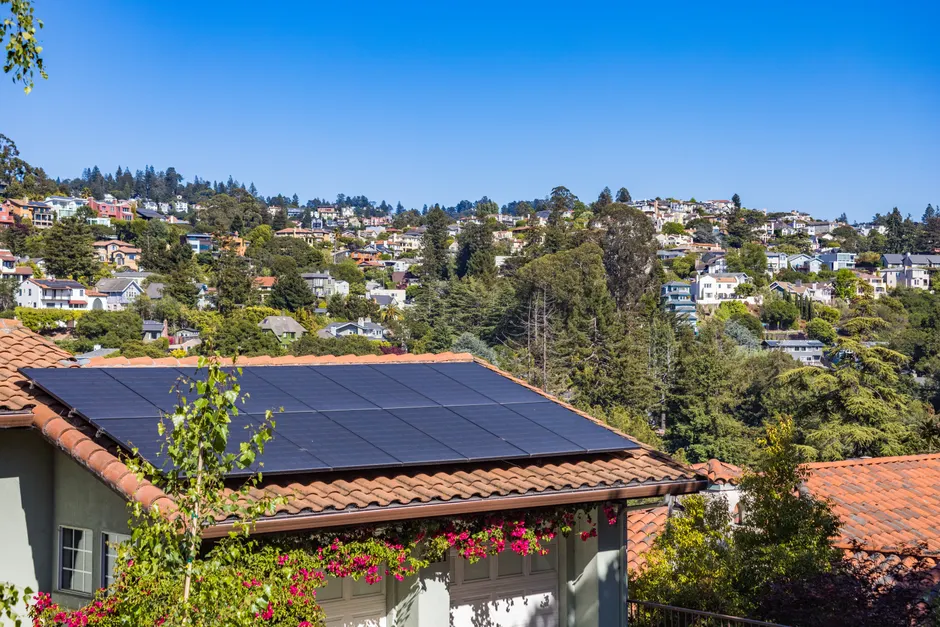
Tesla's Solar Roof Is No Longer Available — Here's What Happened
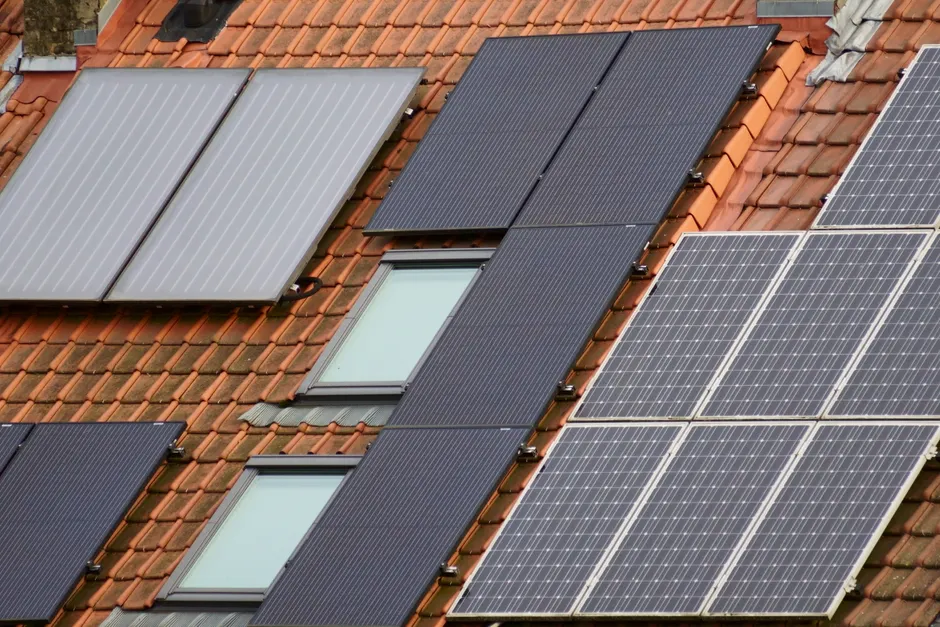
Tesla has discontinued its Solar Roof product, removing it from the company's website and redirecting its web pages to a general solar energy page. Electrek first reported the disappearance on August 20, 2026, with TechCrunch confirming the discontinuation the following day TechCrunch.
The Solar Roof launched nearly a decade earlier, around October 2016. Tesla's idea was to replace a homeowner's regular roof with tiles that generate solar electricity. Instead of mounting solar panels on top of an existing roof, the roof itself would be the solar panel. Tesla marketed it as stronger than a traditional roof and backed it with a 25-year warranty, promising it would "continue to produce clean energy and protect the home for decades" Tesla.
The gap between what Tesla aimed for and what it delivered was large. Tesla set a goal of 1,000 Solar Roof installations per week. By 2022, the actual rate was only 20 to 40 per week TechCrunch. A 2023 report by the research firm Wood Mackenzie found Tesla had missed its targets by a wide margin, pointing to strong competition. Tesla denied that report at the time Reuters.
Cost was a constant problem. Homeowners reported receiving quotes of $200,000 for a Tesla Solar Roof installation. The product also drew quality complaints: some of the steel tiles that did not generate electricity were reported to warp, and the waterproof layer underneath was reported to melt. Other reports indicated that Solar Roof systems produced less electricity than Tesla claimed TechCrunch.
A likely reason for the underperformance has to do with heat. Solar cells lose a small amount of their power output for every degree the temperature goes up. Regular solar panels are mounted on racks with open air underneath, which helps keep them cool. Tesla's Solar Roof placed the tiles much closer to the roof surface, leaving little room for air to circulate. That may have caused the tiles to run hotter and generate less electricity TechCrunch.
Tesla's own support pages hinted at serviceability problems even before the discontinuation. The company's page for removing and reinstalling solar equipment states that the service is available for solar panels only, not for the Solar Roof Tesla. In practical terms, this means that if a homeowner needed a repair under the Solar Roof, the process of taking the roof apart and putting it back was far more complicated than with conventional panels.
Two solar installers told TechCrunch that their companies were still offering the Tesla Solar Roof as of the report's publication, with one noting that availability would depend on the project timeline. That suggests Tesla is working through remaining inventory rather than recalling systems already installed TechCrunch.
Tesla's other solar products remain available. The Tesla Solar Inverter, which converts the electricity from solar panels into power a home can use, continues to be sold for both Solar Roof and solar panel systems Tesla. Homeowners who pair a Powerwall — Tesla's home battery — with an eligible solar system can earn up to $4,050 per Powerwall through incentive programs, though Tesla notes that homeowners must submit rebate applications themselves Tesla.
The discontinuation closes the book on a product that was always technically ambitious but never found a large enough market. The Solar Roof asked homeowners to treat their roof as a power plant, building solar generation into the roof itself. The idea was sound. The execution ran into problems that this type of product has always faced: high manufacturing costs, difficult installation, heat management issues, and a price that was too high for most homeowners. The 25-year warranty on installed systems presumably remains in force for existing customers, though Tesla has not publicly addressed what happens to service now that the product is discontinued.
Looking at what this means in practice, the discontinuation narrows Tesla's solar business to conventional panels — the kind mounted on top of an existing roof. The concept of a roof that generates electricity does not die with Tesla's exit, but it loses its most well-known supporter. For homeowners and installers, the practical takeaway is that conventional panel systems, with their lower cost, better cooling, and easier maintenance, remain the standard choice. The Solar Roof's decade-long run showed that an integrated solar roof can be built. It could not be built cheaply enough, installed quickly enough, or operated efficiently enough to reach the scale Tesla wanted.