Tesla Is Done With Its Solar Roof Tiles — Here's What Happened
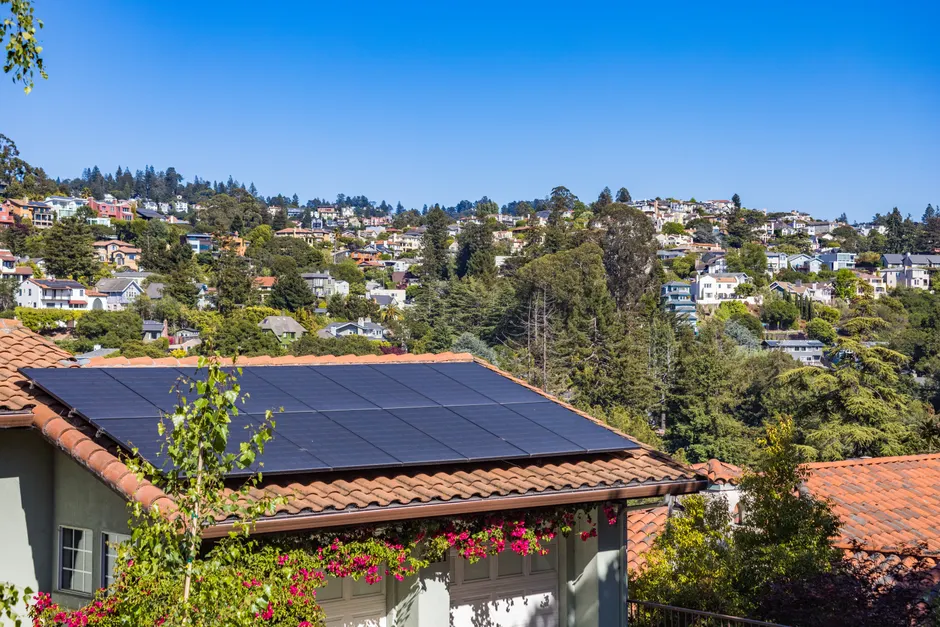
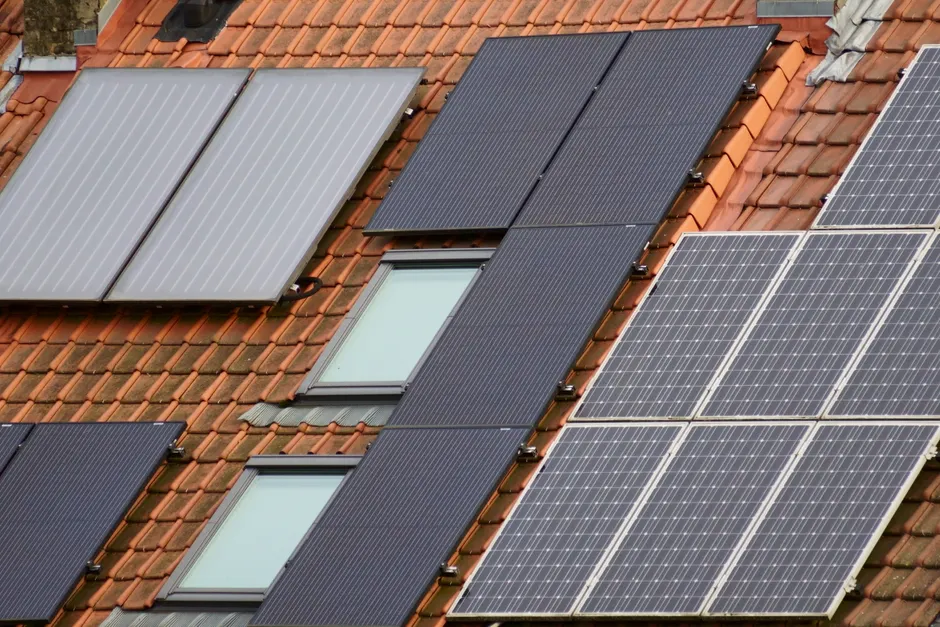
Tesla has discontinued its Solar Roof tile product, telling the installation companies it works with that it will only supply conventional solar panels from now on, according to reporting from Electrek and confirmed by The Verge and Benzinga.
If you visit the Solar Roof's product page at tesla.com/solarroof, it now automatically sends you to Tesla's regular solar panel page. The Solar Roof option has also been removed from Tesla Energy's website menu, which now lists only Solar Panels, Powerwall, and Megapack (The Verge).
Electrek, citing two sources, reported that Tesla told installers on August 20, 2026, that it will only supply conventional solar panels going forward. The company has concluded that Solar Roof is not financially viable, according to the same reporting (Electrek; The Verge).
The Solar Roof had a ten-year run from headline-grabbing reveal to quiet exit. Tesla first showed the project in 2016, promising a roof made of glass tiles that would generate electricity from the sun while looking like a regular roof. The company began taking orders in May 2017, requiring a $1,000 deposit. The initial production run sold out. Tesla announced it had achieved mass production in March 2020 (The Verge; Electrek).
Actual installations never came close to what Tesla aimed for. A 2023 report by Wood Mackenzie estimated that Solar Roof had been installed on only 3,000 US homes since launch. Tesla's stated goal was 1,000 installations per week (The Verge; Wood Mackenzie). In 2021, CEO Elon Musk admitted the company had made significant mistakes with Solar Roof that caused overspending and delays (The Verge).
There were signs of scaling back well before this week's official discontinuation. In September 2021, Tesla discontinued its solar subscription service and removed it from its website (Electrek). In November 2022, the company canceled solar projects in large numbers across the US and shut down solar operations in some markets (Electrek). By April 2025, Solar Roof tiles were still in production but had been pushed aside within Tesla after failing to deliver on its promises (Electrek).
On the conventional panel side, Tesla is planning a new $10 billion factory near Houston, Texas, to ramp up production of its standard solar panel product line (The Verge).
The broader context here is a mismatch between what Tesla wanted to do and what made financial sense. Solar Roof was a type of product called building-integrated photovoltaics, which means the solar technology is built directly into the roof material rather than sitting on top of it. That sounds appealing, but it creates a fundamental problem. A roof has to keep rain and weather out, hold up structurally, and last for decades. Solar panels just need to generate electricity efficiently. When you try to make one product do both jobs, each requirement makes the other harder and more expensive. Roofing is a low-cost, labor-heavy business. Solar panel manufacturing gets cheaper when you make large numbers of identical panels. Combining the two produced something that was harder to install, harder to repair, and more expensive per unit of electricity than regular panels bolted onto a standard roof.
The 3,000-home figure against a target of 1,000 per week tells the story. A product that needs specialized roofing skills to install, costs more to make than regular panels, and cannot be put up quickly by standard solar crews will struggle to reach the volume needed to pay for its own production line. Tesla's conclusion that Solar Roof was not financially viable lines up with ten years of data showing the product could not get there.
The Houston factory investment, by contrast, puts money behind the product that does scale. Conventional solar panels come in standard sizes, can be installed by any solar crew using mounting racks, and benefit from a supply chain that has pushed panel prices to historic lows. Tesla Energy's remaining lineup is now simpler: solar panels to generate electricity, Powerwall as a home battery, and Megapack as a large-scale battery for power companies. That is a cleaner three-product structure than when it also tried to sell a custom roofing product.
Whether Tesla's conventional panel business can capture enough market share to justify a $10 billion facility is a separate question. What the Solar Roof exit does settle is that Tesla has stopped carrying a product whose costs never lined up with its revenue. For the installers in Tesla's network, the message is clear: the product roadmap is panels, Powerwall, and Megapack, and nothing else.