Scientists Can Now Read a Baby's Genes From Mom's Blood
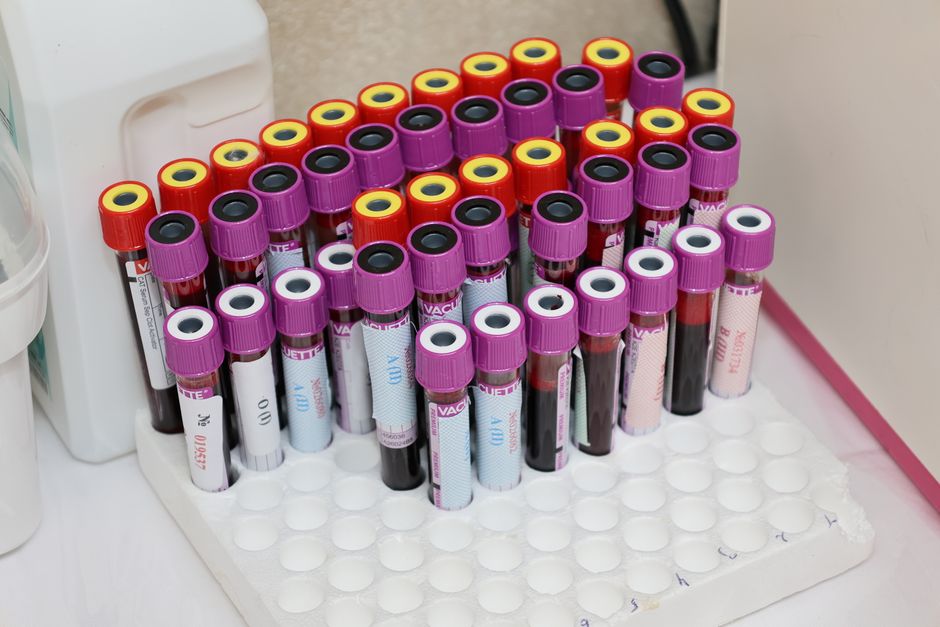
Researchers are developing blood tests that can read nearly everything in a baby's genetic code before birth — without invasive procedures. This could change how doctors screen for genetic conditions.
For over a decade, doctors have used blood tests on pregnant women to screen for chromosomal conditions like Down syndrome. The test detects fragments of the baby's DNA that naturally float in the mother's bloodstream. Now researchers can go much further: they can sequence the entire genetic code of the fetus from a single blood draw.
How does it work? The baby's DNA circulates in the mother's blood in two forms: as fragments released by placental cells (starting around ten weeks), and as whole placental cells. Scientists have recently found that these whole cells are especially useful because they let doctors analyze both the mother's and baby's genetic material from the same sample.
This idea isn't brand new. In 2012, scientists showed they could reconstruct an entire fetal genome from maternal blood, but the approach was too expensive and impractical for routine use. What changed was cost and technology. DNA sequencing became far cheaper, and computer programs got much better at sorting out which genetic material belongs to the mother and which to the baby.
Earlier work was simpler. In 2010, researchers showed they could reliably determine if a baby was male or female from maternal blood — useful for families carrying genetic disorders linked to the X chromosome. Reading the full genome from the same test is a far bigger step forward.
Why does this matter? Currently, when routine screening suggests a problem, doctors offer amniocentesis — inserting a needle into the amniotic sac to collect cells. The procedure carries a small but real miscarriage risk of around 0.1–0.5%. A blood test that gives the same — or better — genetic information without any physical risk would change how doctors and families think about prenatal diagnosis, especially for rare genetic conditions.
The bigger picture matters here. As blood tests reveal more genetic details about the fetus, doctors and families will face new questions: What do you do with unexpected findings? How do you counsel parents about a genetic variant nobody fully understands yet? European medical authorities are working on these ethical and practical questions now, because technology is moving faster than policy can follow.
The path forward is clear in one direction: more genetic information, less invasive testing. But whether this becomes routine depends on whether doctors and health systems choose to use it, and that depends on decisions not yet made.


