The UK Is Paying France £660 Million to Stop Migrant Boats — Here's What's Happening on the Beaches
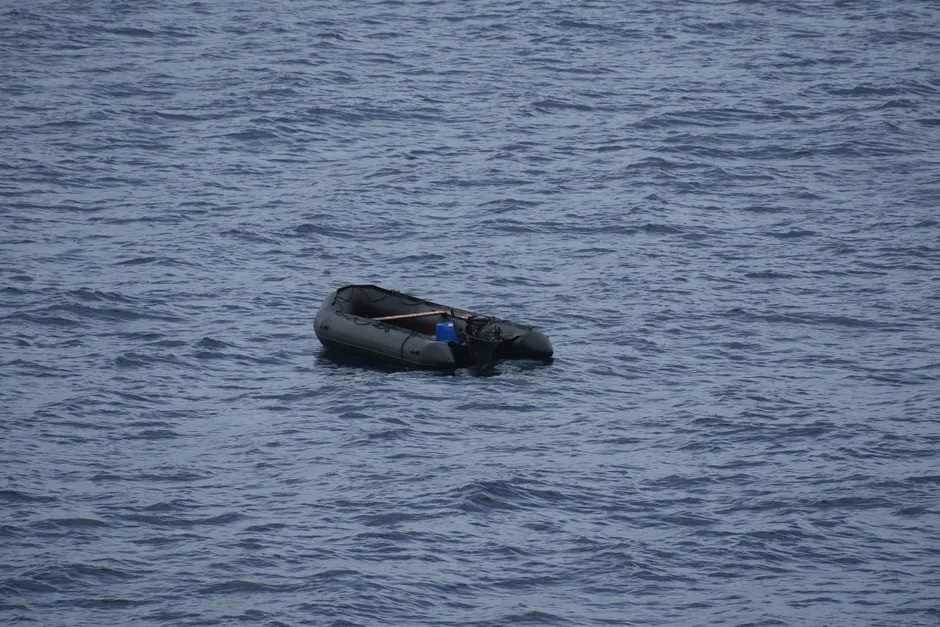
Videos of French police fighting with people on beaches as they try to launch small boats across the English Channel have raised new questions about how the two countries are handling migration.
The UK and France have a deal — an agreement where the UK pays France to increase policing along the coast to stop migrants from leaving French beaches in small boats. The French government says it stopped 185 attempted crossings in the first three months of this new deal, which is worth about £660 million (The Guardian, 2026-08-21). That deal, earlier reported at £662 million, includes sending riot-trained police to northern French beaches (BBC News, 2026-04-23).
At the same time, there is a recorded history of alleged police violence against migrants at these crossing points. A French aid group called Utopia 56 says it documented an average of more than 3 victims of police violence per day between March and September 2025 in Calais and Dunkirk (EIN, 2025-12-08). Utopia 56 has reported on police violence during Channel crossing attempts before, and in July 2022 it filed three complaints in two days with a French oversight body responsible for police ethics (Utopia 56, 2022-07-11).
France has an independent official called the Défenseur des droits — basically a government watchdog who investigates wrongdoing and protects people's rights. This watchdog has criticized the use of weapons to stop migrants from departing across the Channel (Le Monde). That means a French government institution is speaking out against the tactics being used by its own police, who are now getting reinforcements of riot-trained officers under the UK-France deal.
The broader context here is a tension between two things: the UK-France enforcement plan and the international laws both countries have agreed to follow on refugees and human rights. Sending riot-trained officers to beaches, the documented average of three victims of police violence per day over six months, and the watchdog's criticism of weapons use all raise a basic question: where does stopping crossings lawfully end and excessive force begin? The £660 million deal is not just about money; it is the backbone of a strategy whose human rights impact is now being formally challenged by a French state institution and systematically documented by civil society groups.
The slight difference between the figures cited — £660 million and £662 million — comes from different news reports at different times, not from a change in the deal itself.
A few things are worth watching. The watchdog's criticism of weapons use came before the recent videos but has not been publicly resolved; sending more riot-trained police to beaches may worsen the very behavior it flagged. Utopia 56's method of monitoring daily and counting victims over months gives its findings a weight that one-off incident reports do not have. And the French government's claim of 185 stopped crossings in three months shows how enforcement is measured, but it says nothing about what happened to the people during those stops.
By investing over £660 million in French enforcement, the UK is essentially moving part of its border control to French soil. But the systems that hold that enforcement accountable — the watchdog, the courts, and groups like Utopia 56 — are all French. The gap between how fast enforcement is happening and how slowly oversight works is where the tension between controlling migration and protecting rights is playing out.


