Why Is Britain Paying France £660 Million for Border Control?

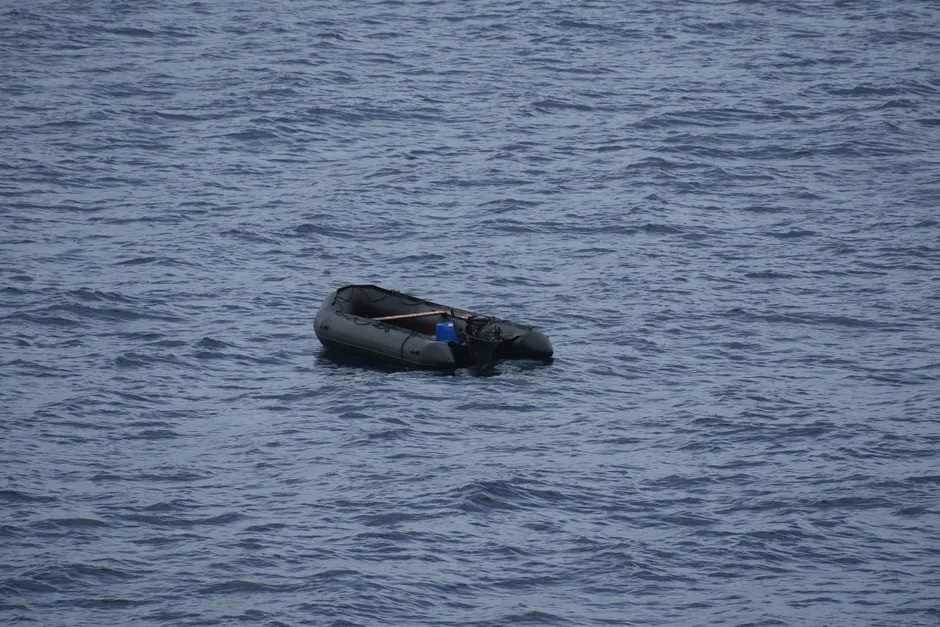
The United Kingdom has agreed to pay France £660 million — about $892 million — to help stop people from crossing the English Channel illegally, according to Reuters.
Here's what France will do with the money: Deploy a 50-person riot police unit, hire more investigators to track smuggling networks, and send more boats to patrol the Channel and French coastline. This is a shift from simply watching migrants to actively stopping them.
Why does Britain need to pay? The key reason is that France's territory is, well, France's territory. British police cannot operate there. A treaty from 2003 set up the boundary between the two countries' enforcement powers. So when Britain wants France to enforce Britain's migration rules, Britain has to pay for it. This agreement costs more than any previous deal.
Water cannon is the most controversial part. Under the agreement, French police can spray water at people trying to cross. But these people — asylum seekers — have legal protections under international law. Human rights groups will likely object, and French courts may block this tactic. How it actually gets used will matter a lot.
Another piece is investigation teams. Rather than just stopping one boat at a time, both countries want to catch the smugglers — the criminals who organise the crossings and profit from them. If you can prosecute the smugglers, you can disrupt the whole operation.
Why is this happening now? Both Britain and France have voters worried about migration. Both governments face political pressure from the right. So they've found common ground. But if either country gets a new government with different priorities, this deal could fall apart. And the big question is whether it actually works — whether fewer people cross after this agreement.
Compare this to Britain's Rwanda plan from before, which tried to send migrants to a different country to discourage others from crossing. That scheme cost a lot and never really got running. This new deal takes a different approach: stop people at the source in France rather than try to scare them away by sending them far away. Whether that works depends on things the governments cannot fully control — how creative smugglers get, how bad things are in the countries people are fleeing from, and whether courts allow the water cannon tactic to continue.