Inside a Vintage Mixer: What Happens When You Boot DOS on a Mixing Desk
Inside a Vintage Mixer: What Happens When You Boot DOS on a Mixing Desk
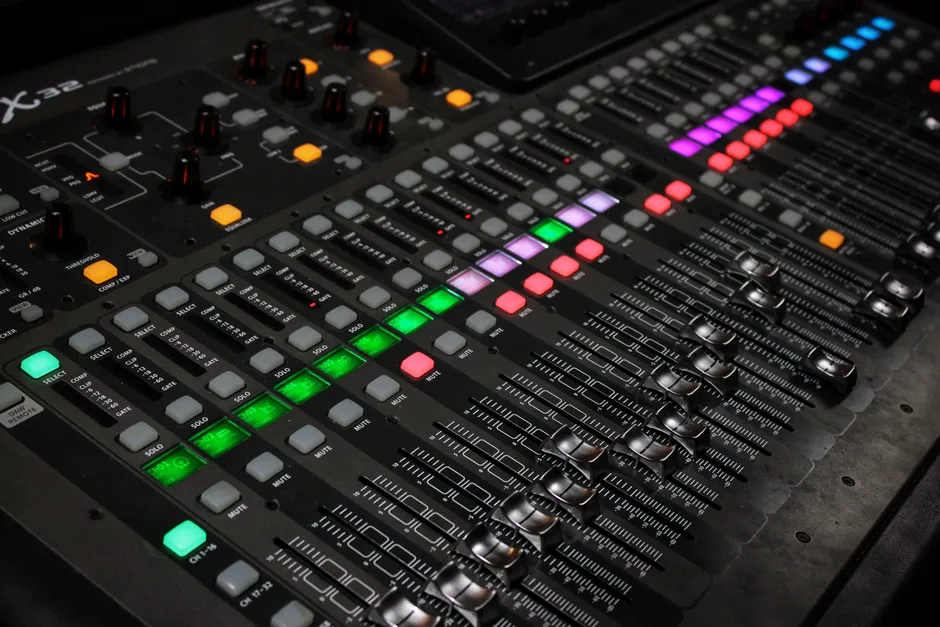
Someone has gotten an old mixing desk to run DOS—the operating system from the 1980s—by swapping out its internal instructions with custom ones. The desk is a Behringer DDX3216, a 32-channel mixer made in the early 2000s that most people have forgotten about.
Here is what makes this worth knowing: underneath the mixer's special-purpose buttons and knobs, there is a processor—the brain of the device—that works just like the one in an old PC. The person who did this project switched out the firmware (the low-level instructions that tell the processor what to do) and discovered the machine would boot up as a regular computer would.
Why would someone do this. Well, it reveals something important about how electronics were built back then. Mixing consoles needed to handle multiple audio streams, sync with other equipment, and talk to recording software. Rather than invent special chips to do all that, manufacturers bought standard PC components because they were cheap and well-understood. The DDX3216 even worked as a remote control for music production software.
Now, running DOS on a mixer sounds like a curiosity—and at first glance, it is. But the real value is different. When someone figures out how a piece of equipment boots up and publishes that information, they create a detailed map of what is inside. That map lets other people write new software for the device, extend what it can do, wire it to work with modern equipment in ways the original maker never planned, and keep it working long after the company stops supporting it.
Here is the practical part. That mixer has connectors and features for syncing with other gear that studios use. If a community of people can write new instructions for it based on this knowledge, the desk stays useful even when the company that made it will no longer provide updates. For anyone still using one of these desks, that means years of additional life.
The person who documented this has not yet created a finished, ready-to-use replacement set of instructions—it is still at the proof-of-concept stage. But publishing the details, with enough information to repeat the experiment, is what counts. Old equipment like this rarely gets this kind of attention unless someone decides it deserves it.


