Rohingya Refugees Protest: Nine Years Stuck in the World's Largest Refugee Camp

On 25 August 2026, tens of thousands of Rohingya refugees gathered at a place called Cox's Bazar in Bangladesh to protest. They were demanding better living conditions, more help from other countries, and the chance to go home safely. It was the ninth anniversary of the moment they were forced to flee their country, Myanmar, in large numbers. The protest was organised by a group called the United Council of Rohingya (UCR), which said it wanted to "remember the atrocities committed" and highlight the "ongoing humanitarian crisis" facing the Rohingya people (Al Jazeera).
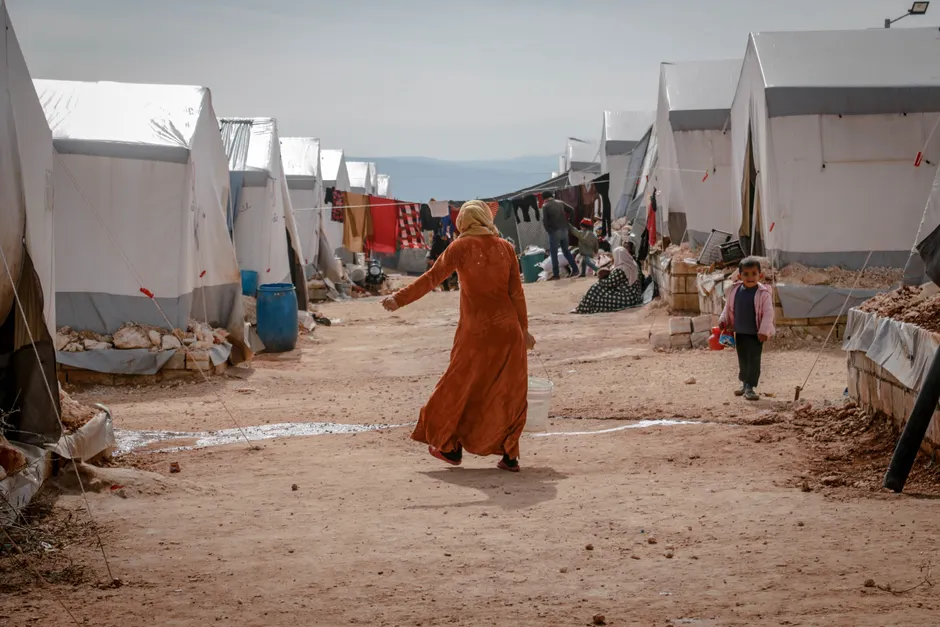
The Rohingya are a Muslim group from Myanmar, a country in Southeast Asia. In 2017, Myanmar's military attacked Rohingya villages — burning homes and killing civilians — causing hundreds of thousands to run across the border into Bangladesh. Today, more than 1.2 million Rohingya live across about 30 camps in Cox's Bazar, making it the largest refugee settlement in the world.
Life in the camps has gotten worse. Groups that provide aid say funding has dropped, food rations have shrunk, and basic services like healthcare have been cut. Oxfam warned that these reduced resources could undo the progress made in the camps and that essential services are already under heavy strain. Save the Children reported that one in three Rohingya refugees was expected to face "crisis" hunger levels or worse between September and December 2026 (Al Jazeera).
Al Jazeera's reporter Tanvir Chowdhury, reporting from Cox's Bazar, said protesters were demanding justice, dignity, and a safe return home. The protest was supported by civil society groups, including ActionAid Bangladesh, and has called for justice, protection, education, and the right to return to Myanmar (Al Jazeera; ActionAid Bangladesh).
Going home, though, is not an option right now. Sixteen diplomatic missions in Bangladesh, including those of the European Union, the United Kingdom, and Canada, issued a joint statement saying conditions in Myanmar are not safe for Rohingya to return. They pointed to fighting across Rakhine state, growing need, deepening insecurity, airstrikes on civilian buildings, and Myanmar authorities blocking aid and trade as reasons the crisis is getting worse (Al Jazeera).
UN Secretary-General Antonio Guterres called for "renewed global attention and action" for the Rohingya. His spokesperson, Stephane Dujarric, said Rohingya people face deepening insecurity, shrinking protection, and fewer prospects for lasting solutions, all made worse by funding cuts. UN Geneva separately noted that Rohingya people seek justice, dignity, security, and the right to return home safely and voluntarily, nearly a decade since they were forced to flee (Al Jazeera; UN Geneva).
Bangladesh, which hosts the camps, has said it is overstretched and wants the Rohingya to return to their homeland with dignity. Bangladesh has also placed restrictions on Rohingya refugees' movement in response to mass protests in the camps, a policy documented by Physicians for Human Rights (Al Jazeera; PHR).
The 2017 military crackdown in Myanmar, when Rohingya villages were burned and civilians killed, is still the subject of a genocide case at the International Court of Justice (ICJ) in The Hague. The ICJ is a United Nations court that handles legal disputes between countries. In August 2026, the UCR publicly rejected a statement from Myanmar's junta — the military government that took control of the country — calling it "misleading" (Al Jazeera; Mizzima).
The broader context here is a crisis getting worse on several fronts at once. The money available to help the Rohingya has shrunk at the same time that conditions inside Myanmar have gotten worse, with fighting in Rakhine state intensifying rather than calming down. The joint statement from 16 diplomatic missions is striking for how specific it is: rather than just calling for refugees to be allowed to go home in principle, it directly names airstrikes on civilian buildings and aid blockades as current obstacles. That level of detail suggests the countries involved recognise the gap between what Myanmar's military government says and what is actually happening on the ground.
The UCR's decision to publicly challenge the junta's narrative also matters. Over nine years of living in the camps, Rohingya community organisations have grown more developed, and the council's willingness to directly contest Myanmar's official statements suggests a new political confidence among refugee-led groups, not just appeals for humanitarian help.
What remains unresolved is the tension between three positions that are hard to reconcile: Bangladesh wants the Rohingya to return, diplomats agree Myanmar is not safe for return, and the refugees themselves demand justice and accountability before any lasting solution can work. The ICJ genocide case, still pending, hangs over all three. None of these problems can be solved on their own, and the August 2026 protest signals that the refugee population intends to have a voice in that conversation rather than being spoken about by others.