Over 500 Rohingya Refugees Feared Drowned After Two Boats Sink Near Myanmar

On July 16, 2026, two major United Nations agencies — the International Organization for Migration (IOM) and the UN Refugee Agency (UNHCR) — reported that two boats carrying more than 500 people, mostly Rohingya, are feared to have sunk off the coast of Myanmar.
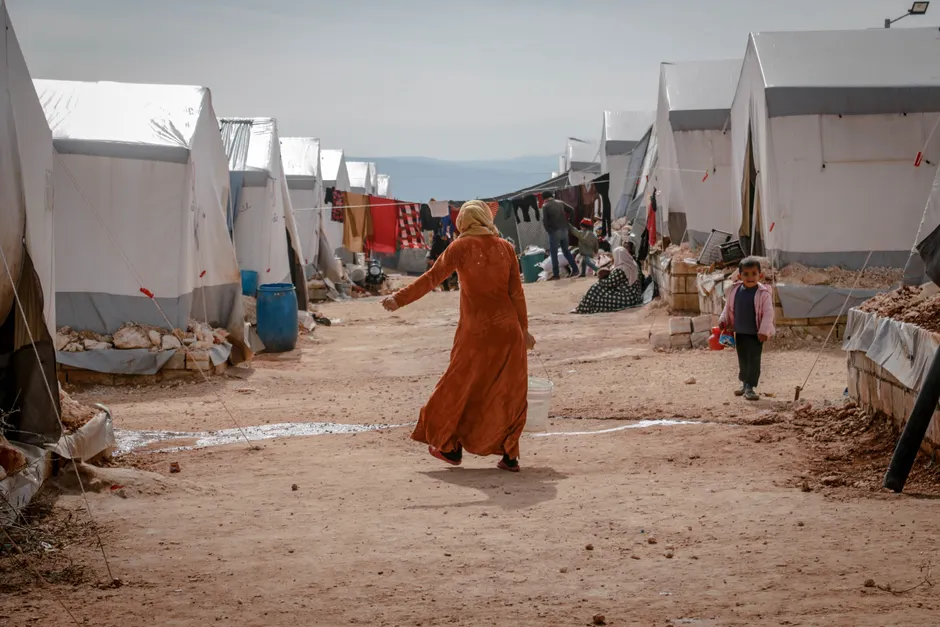
The Rohingya are a Muslim minority group from Myanmar who have faced decades of persecution. Many fled to neighboring Bangladesh, where about 1.2 million now live in crowded refugee camps. Because Myanmar does not recognize them as citizens and Bangladesh does not offer them citizenship either, they are "stateless" — meaning no country officially claims them as its own.
The two boats left Myanmar's Rakhine State in late June 2026. One, carrying about 250 people, lost contact shortly after leaving. The other, carrying about 280 people, is believed to have sunk on July 8 off Myanmar's Ayeyarwady coast. The fate of those on board has not been independently confirmed.
This time of year is monsoon season, bringing heavy rain and rough seas. Rohingya normally avoid traveling by boat during these months because the danger is so high. The fact that people chose to leave now suggests they felt they had no other option.
One major reason is that life in the refugee camps has gotten harder. The United States and other countries have sharply cut foreign aid, which has reduced food rations and basic services in the camps. At the same time, Myanmar remains too dangerous for Rohingya to return home. Fighting between the Arakan Army and Myanmar's military government has made Rakhine State, where many Rohingya still live, even more unstable.
The broader context here is a crisis that has been getting worse even as the world has paid less attention. Rohingya and others use boats to travel across the Bay of Bengal and the Andaman Sea, trying to reach countries like Malaysia, Indonesia, and Thailand. These routes are among the most dangerous migration paths in the world. Smugglers charge large fees, cram far too many people onto each boat, and sometimes abandon passengers at sea when fuel runs out or authorities approach.
The numbers were already grim before these two sinkings. In 2026 alone, more than 300 people had already died or gone missing at sea before July. In 2025, nearly 900 Rohingya were reported dead or missing, making it the deadliest year on record for Rohingya boat departures. If the current figures are confirmed, 2026 could surpass that record before the calmer post-monsoon sailing season has even started.
The UN agencies have called for stronger search and rescue efforts across the region. Right now, no single country has taken responsibility for coordinating rescues in the open waters of the Bay of Bengal. That means when a crowded boat sends a distress signal, it may go unanswered because nearby countries are reluctant to take on the cost and responsibility of rescuing and sheltering those people.
The agencies have also asked for better access to asylum — meaning the ability to seek safety in another country — and stronger action against the smuggling networks that profit from these journeys.
It will likely take survivor accounts, satellite images, or debris washing ashore to confirm what happened to the two boats. The IOM and UNHCR have not declared the passengers dead, using the word "feared" instead. This reflects both the lack of confirmed information and the grim reality that, more than a week after the second boat reportedly sank, the chance of finding survivors has likely passed.