Who Gets to Use Jamaica's Beaches? A Legal Fight Over Public Access
Jamaica says all its beaches belong to the public — but many Jamaicans cannot actually get to them. Now courts are having to decide what that promise really means.
Jamaican law states that beaches are public property. The strip of land where the tide meets the shore cannot be owned by any private person or company in a way that shuts out the public. As Jamaica Gleaner commentary noted in October 2023, every beach in Jamaica is supposed to be open to everyone. This right comes from a law called the Beach Control Act.
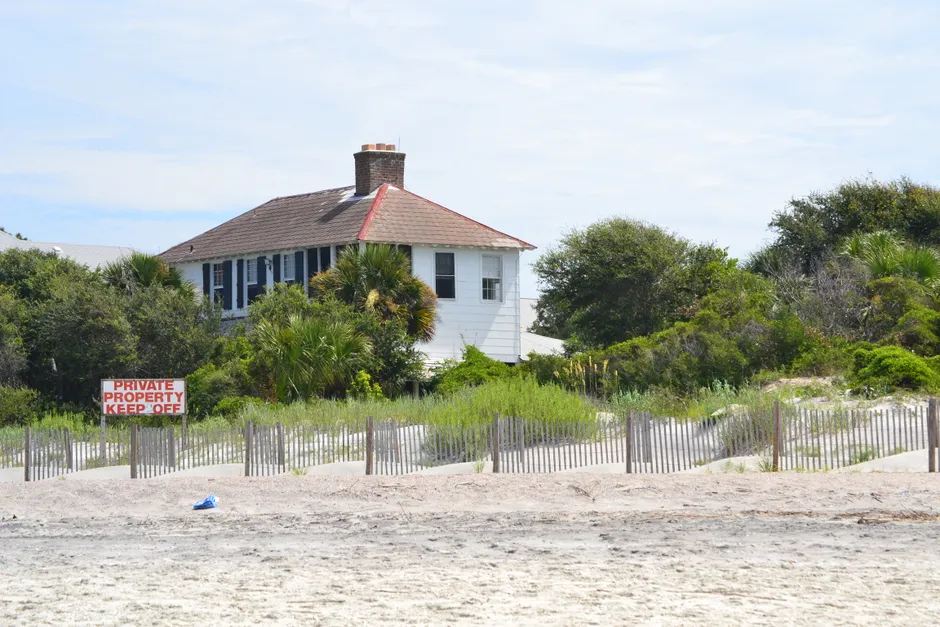
But in practice, hotel owners and resort operators have blocked or discouraged people from using many beaches. There are fences. There are no roads or signs telling the public how to get there. There are no bathrooms or parking. The legal right exists, but the practical ability to use the beach does not.
Trying to Fix the Problem
The government created a policy called BAMP — the Beach Access and Management Policy — to change this. BAMP's goal is not just to say beaches are public, but to actually make them accessible: better signage, actual roads, facilities that work, and clearer rules.
This policy is part of Jamaica's broader national plan, called Vision 2030 Jamaica. That plan says tourism should be sustainable and good for the environment — which should include making sure Jamaicans can enjoy their own beaches.
But the government is also selling off public land to raise money through a programme called divestment. When government land on the coast is up for sale, the drive to maximize the sale price can work against the goal of keeping beaches open to everyone. The two goals pull in opposite directions.
The Court Cases and What They Mean
Now there are lawsuits over this. The courts are not debating whether beaches should be public — the law is clear on that point. Instead, they are deciding what it actually means. If someone is locked out of a beach, who has to prove it was wrongfully blocked? What can a person do about it?
These questions matter because a right that only exists on paper is useless for most people. If you would need a lawyer and thousands of dollars to fight your way onto a beach, you are not really using that beach.
What makes this harder is that BAMP is still just a policy, not a law. In court, policies do not carry the same weight as laws do. Meanwhile, the original Beach Control Act was written long ago, before big resorts were built everywhere. Neither rule fully fits the situation Jamaica faces today.
The core issue is whether Jamaica's government will actually enforce its own rules when resorts want to expand and when selling off coastal land could fill the public treasury. That is the real test of whether public beach access is a right Jamaicans can count on.


