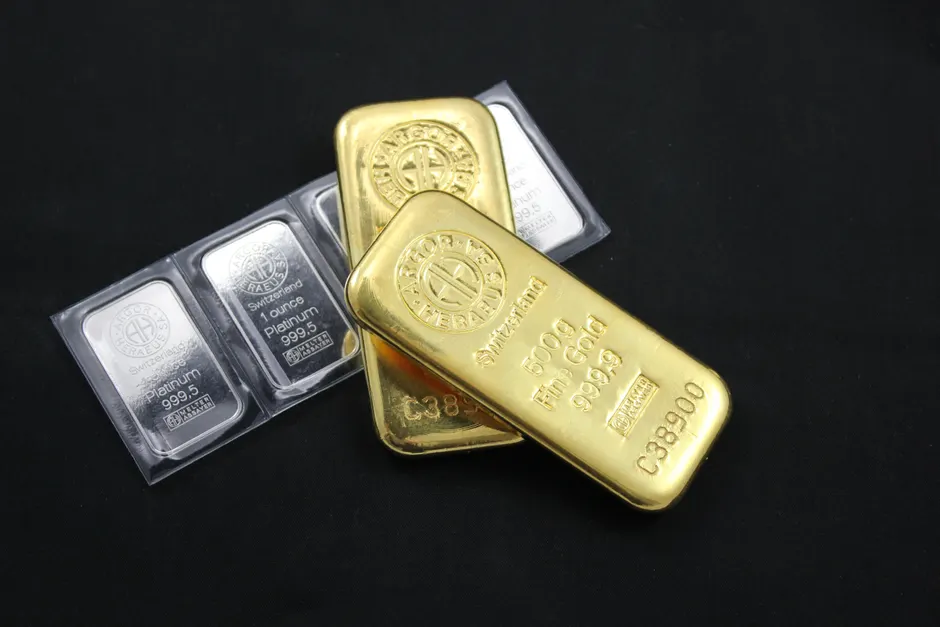
Harmony Gold Had a Record Year — Here's What Happened and Why It Matters

Harmony Gold, one of South Africa's largest gold mining companies, just had its best year on record. Revenue climbed 34% to ZAR 100 billion, and a key profit measure called headline earnings per share (HEPS) jumped 87% to ZAR 43.63.
HEPS is essentially a way to measure how much profit a company made for each share of stock. It is the number most South African investors watch. Two things drove Harmony's surge: a much higher gold price and a reversal of a previous writedown on the value of its assets.
According to Harmony's FY26 trading statement, dated 21 August 2026, the company received an average gold price of R2,069,710 per kilogram (US$3,811 per ounce), up 35.3% from R1,529,358/kg (US$2,620/oz) the year before. Harmony Gold FY26 Trading Statement. Morningstar separately reported that Harmony expected earnings to rise thanks to higher gold prices and the writedown reversal. Morningstar.
The gold price climbed steadily throughout the year. Harmony's first-half results, dated 11 March 2026, showed the average gold price received (including hedge) rose 36% to R1,909,849/kg (US$3,421/oz) from R1,405,020/kg (US$2,437/oz) in the same period a year earlier, while revenue rose 20%. The first-half trading statement, dated 9 March 2026, put the dollar gold price increase at 40% to US$3,421/oz. The gap between that figure and the full-year average of US$3,811/oz implies gold prices rose even faster in the second half — averaging roughly US$4,200/oz.
The year before had also been strong. Harmony's FY25 trading statement, dated 25 August 2025, reported a 27% increase in the average gold price to R1,529,358/kg (US$2,620/oz) from R1,201,653/kg (US$1,999/oz). Full-year results released 28 August 2025 showed HEPS up 26% to 2,337 SA cents (129 US cents).
So the two-year picture is striking. The gold price Harmony received went from US$1,999/oz in FY24 to US$2,620/oz in FY25 to US$3,811/oz in FY26. That is a roughly 91% increase over two years. Revenue growth of 34% in FY26 outpaced the 20% rise in the first half, matching the steeper gold price in the second half. The 87% jump in HEPS, against a 35.3% gold price increase, means profit grew much faster than the gold price did.
The broader context here involves three things worth understanding. First, the price Harmony received in rand (35.3% higher) rose less than the dollar price implied by earlier figures, meaning the South African rand strengthened against the US dollar during parts of the year. That matters because a stronger rand is a mixed blessing for a South African gold miner: costs like wages and electricity are paid in rand, but the gold price is set in dollars, so a stronger rand shrinks the local-currency benefit.
Second, the impairment reversal is a non-cash accounting adjustment. Think of it this way: if you wrote down the value of your house during a bad market and then prices recovered, you might add some of that value back on paper. No actual money changed hands, but it makes the profit number look bigger. South African accounting rules include this in headline earnings, so it is part of the ZAR 43.63 figure. Even without it, earnings would still have risen substantially due to the higher gold price, but the trading statement does not break out the exact split.
Third, Harmony uses hedging — contracts that lock in future selling prices. This can protect against falling prices but limits gains when prices rise. The first-half gold price was reported as "including hedge," meaning those contracts partially held back the price Harmony actually received compared to the market spot price. The full-year figure of US$3,811/oz suggests either those hedging losses shrank later in the year or the hedge book was fairly small by the second half.
Looking ahead, the key question for FY27 is whether Harmony can keep profit margins at these levels or whether rising costs in South African deep-level mining — wage agreements, electricity tariffs, and the constant investment needed to keep mine shafts operating — will eat into the gains. The ZAR 100 billion revenue and 87% HEPS increase set a very high bar. Staying near ZAR 43.63 in HEPS next year would require gold prices to hold steady or rise, or meaningful cost discipline. Neither is guaranteed, and the trading statement offers no guidance on production volumes or costs for the year ahead.
The trading statement also does not mention a dividend. Harmony disclosed a final dividend in its FY25 results, but no comparable FY26 figure appears yet. That will be a focal point when the full FY26 results are published.