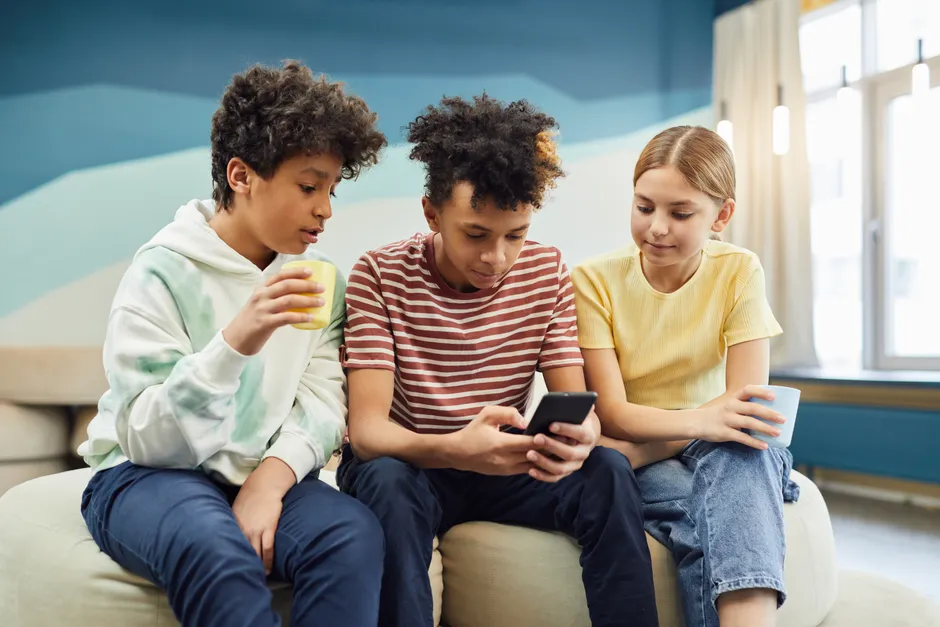
The UK Is Banning Social Media for Under-16s. Here's What That Means
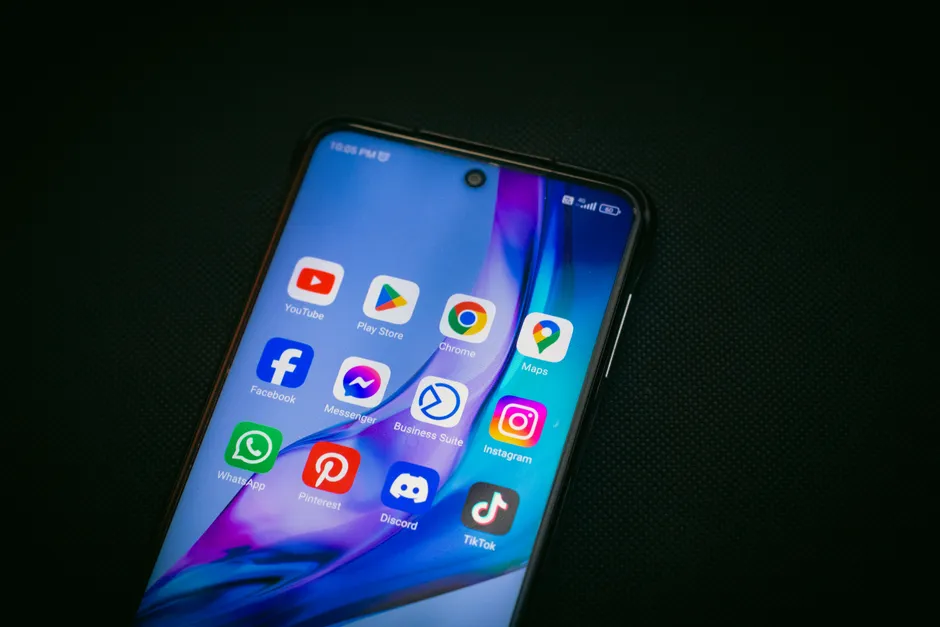
On 15 June 2026, the UK government announced it will ban social media platforms from letting anyone under 16 use their services. The ban covers familiar apps like Facebook and Instagram, along with livestreaming services and apps built around messages that disappear after you read them. gov.uk
This decision did not come out of nowhere. In January, the government launched a public consultation about children and social media, and at the same time announced a ban on mobile phones in schools. Parliament.uk By February, Prime Minister Keir Starmer publicly warned that if tech companies did not act on their own, the government would force them to. gov.uk In April, leaders from the major platforms were brought to Downing Street — a signal that talks had become official. gov.uk The June announcement was the final step in a planned sequence.
The ban covers more platforms than most people realise. According to reporting in June, it does not just target Facebook, Instagram, and TikTok. Politico It also includes livestreaming apps and any service where disappearing messages are the main feature. That broad scope matters because laws that define what counts as a banned product often run into problems when they are actually enforced.
How Will This Actually Work?
Right now, when you sign up for an app, you usually just tick a box saying you are old enough. A real ban would require platforms to actually check your age — which is much harder than it sounds.
Platforms could verify age in a few different ways. One option is using information from your phone itself — Apple and Google could build age-checking into their app stores. Another is asking you to upload a government ID or passport. A third is having your parents give permission for you to use the app. None of these is perfect. Document-based checks raise concerns about storing personal information safely; phone-based checks depend on tech companies working together; parental permission can be faked. There is no solution that is easy and safe all at once.
The government has already required platforms to check age for adult content under the Online Safety Act 2023. A rule banning under-16s from social media altogether is much tougher, because it restricts access rather than just hiding content or changing how data is used.
Australia passed a similar law in late 2024. The UK is now the second country to try this approach, though the government has not yet explained which agency will enforce the rule or what will happen to platforms that break it.
Who Enforces It, and Will It Work?
Ofcom, the UK's media and technology regulator, will likely be in charge of making sure platforms obey. Whether this ban actually succeeds depends on whether Ofcom has the power to punish companies that ignore it.
Facebook, Instagram, TikTok, YouTube, and Snapchat earn enormous amounts of money in the UK from advertising. If the punishment for breaking this law is small, they may decide it is cheaper to pay a fine than to lose the users and money they would lose by blocking everyone under 16. How Australia enforces its own ban over the next year will show us whether this type of law can actually work.
The government clearly thinks this is the right move and plans to stick with it. But whether tech companies will actually follow the rules — and whether age-checking systems will be good enough to catch people breaking them — will only become clear when the law goes into effect.