Sony's New Bravia 6 OLED TV: What It Costs and What You Get
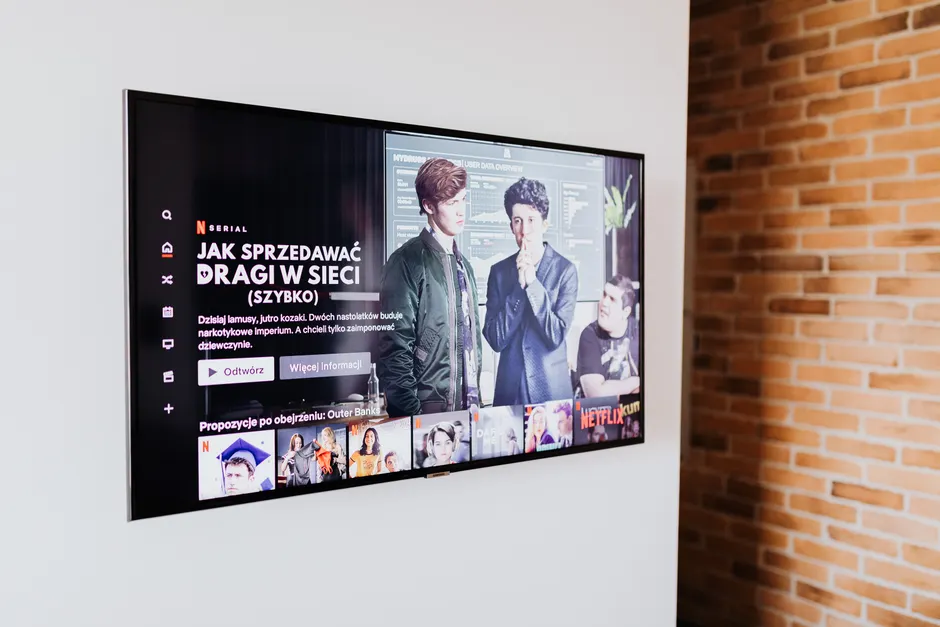
Sony has announced a new OLED TV called the Bravia 6, placing it in the middle of its 2026 TV lineup, below the Bravia 8, Bravia 8 II, Bravia 9 II, and Bravia 7 II. The set, also known as the A60, first showed up on a Sony wall-mounting chart in June and got full pricing and spec details on August 27 (The Verge).
OLED is a screen technology where each tiny dot of light on the display can turn on or off individually. That means the TV can show truly deep blacks and bright highlights at the same time, which makes for a more vivid picture than most regular LED TVs can produce.
The Bravia 6 comes in five sizes: 48, 55, 65, 77, and 83 inches. U.S. prices are $1,300 for the 48-inch, $1,500 for the 55-inch, $2,000 for the 65-inch, $3,000 for the 77-inch, and $4,000 for the 83-inch. Those prices put it in direct competition with LG's C6 OLED and Samsung's S90H, both of which target buyers who want OLED quality without paying top-tier prices.
The TV has a screen that refreshes 120 times per second, which makes motion look smoother, and four HDMI 2.1 ports, the latest standard that carries more data for things like high-frame-rate gaming. Sony confirms support for 4K resolution at 120 frames per second, Variable Refresh Rate (which matches the screen's refresh rate to whatever you're watching or playing to reduce stuttering), and Auto Low Latency Mode (which automatically switches the TV to a faster-responding setting when it detects a game). The set also plays Dolby Vision, Dolby Atmos, and DTS:X, which are formats for enhanced picture and sound (Sony). Sony describes the screen as using self-emissive OLED pixels that deliver infinite blacks, bright highlights, and rich color (Sony). The TV runs Google TV with Gemini, Google's AI assistant, built in for voice search and control.
Sony would not say what kind of internal processor the TV uses. That matters because a specific chip called the MediaTek Pentonic 800 is needed to support Dolby Vision 2, a newer version of the picture format. That chip also handles features like advanced dimming control, AI-enhanced picture sharpening, and processing for multiple HDR (high dynamic range) formats. Without confirmation, buyers can only guess based on the ports and features listed.
The Bravia 6 comes with a redesigned remote. Streaming service buttons have moved to the top, with a larger directional pad in the center surrounded by home, settings, and back buttons. Volume and channel controls sit in the lower portion. The remote has a built-in microphone for Gemini voice control, complementing any voice features the TV itself may have.
In the competitive picture, LG's C-series has been the go-to OLED choice for several years, and Samsung's QD-OLED screens have an edge in color brightness. Sony's approach is to keep prices close to LG's while relying on its brand name and picture-processing quality to win buyers. The pricing tracks closely with what LG charges at each screen size, which suggests Sony is not trying to win on price alone.
One notable detail: the Bravia 6 supports DTS:X audio. Several competitors, especially LG, have dropped DTS audio formats from their TVs. If you have a collection of Blu-ray discs or other media that use DTS sound, this support has real practical value.
For gamers, the four HDMI 2.1 ports with Variable Refresh Rate and Auto Low Latency Mode cover what current PlayStation, Xbox, and PC gaming need at 4K and 120 frames per second. The 48-inch model at $1,300 is the cheapest option and matches LG's C6 pricing for buyers who want OLED picture quality in a smaller size.
In my view, the Bravia 6's real significance is not any single feature but what its prices tell us about how OLED manufacturing has changed. A 65-inch OLED at $2,000, with Sony's picture processing and full HDMI 2.1 support across four ports, points to a supply chain that has matured enough to bring OLED out of the premium-only tier. That doesn't close the gap with Sony's higher-end Bravia 8 II, but it makes the practical difference smaller for buyers who care more about the OLED panel itself than about incremental upgrades in picture processing.