What Happened in the Nepal-Tibet Floods — and Why It Could Get Worse
At least 359 people have died and more than 1,300 are missing after sudden, powerful flash floods hit Nepal and Tibet on Wednesday, 26 August 2026, according to the Associated Press and the Guardian. An urgent international rescue effort began the next day Reuters.
Reuters reported that the flood was likely triggered by an earthquake. The shaking caused a mass of ice, mud, and rock to collapse into a mountain river in Nepal called the Lhende Khola. Think of it like dumping a giant dam into a river — the water had nowhere to go but forward, and it surged downstream at enormous speed. The wave crossed the border into Tibet's Gyirong crossing, a well-known stop on a pilgrimage route, and swept away scores of people. Tibetan authorities said they feared "major casualties" after a mudslide hit the area Reuters.
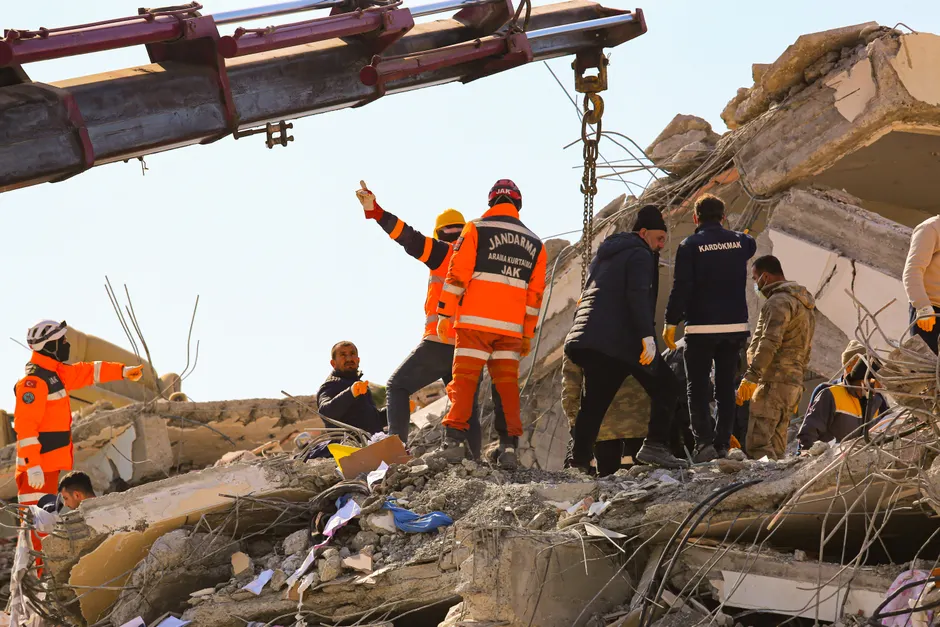
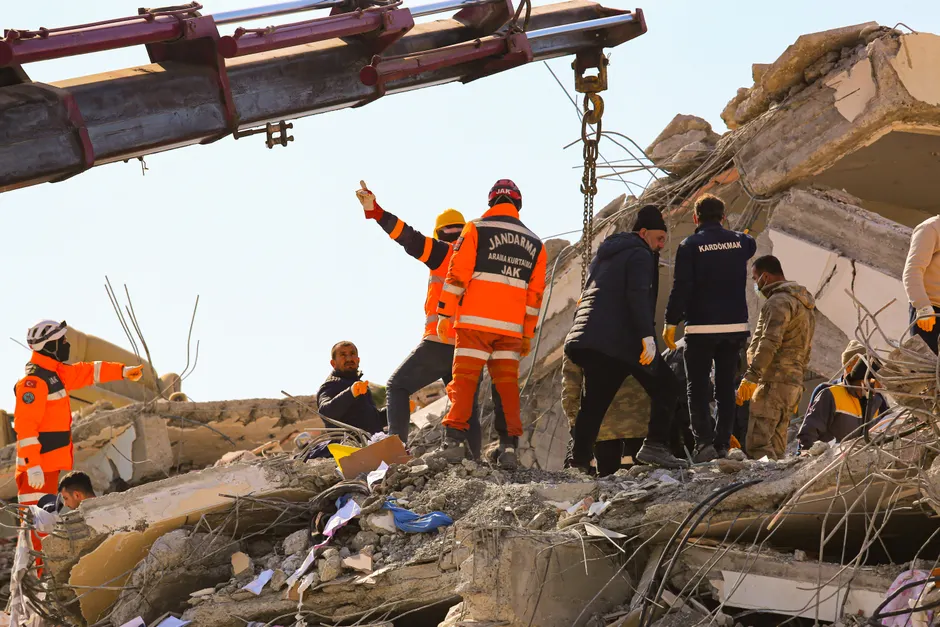
Among the missing are hundreds of tourists from India, the United States, Britain, Australia, and Canada. Many were hiking or on pilgrimage in the mountains. Families have been desperately seeking news of their loved ones Reuters. The floods wiped out dozens of bridges and about 25 miles (40 km) of roads, making it extremely hard for rescue teams to reach the area The Guardian.
More than 100 people were rescued by Nepali army helicopters, and dozens of injured people were flown to Kathmandu for medical care. Kamal Kharel, who works at a hydropower plant in Rasuwa district, survived by climbing a hill and was rescued on Thursday morning. Girilal Budhathoki, 36, also from Rasuwa district, said the floodwaters swept away his wife and four children The Guardian.
The exact numbers of dead and missing kept changing as rescuers reached more areas. The Associated Press, citing Nepali police, reported more than 350 killed and over 1,300 missing. The BBC said more than 900 people were missing in Nepal alone as of 27 August. Tibetan authorities reported at least 558 missing and three confirmed dead on their side. Al Jazeera, citing Nepal's authorities, put the total missing across both Nepal and Tibet at nearly 1,400 BBC; Al Jazeera.
A new danger now hangs over the rescue effort. When debris from a landslide or avalanche blocks a river, water pools behind it and forms what scientists call a "barrier lake." If that natural dam breaks, it can release another wave of water downstream with very little warning. Nepal's disaster agency warned that one such lake at the flood site was rising and could burst. Chinese authorities warned of a second barrier lake on a different river system that was overflowing and could also breach The Guardian.
The UN's top humanitarian official, Tom Fletcher, called the flood "horrifying" and said emergency teams had been mobilised. An initial $2 million (£1.5 million) was allocated for emergency medical care, shelter, and clean water The Guardian.
Nepal's disaster agency reported 33 separate disaster incidents across the country on the same day, including snakebites, landslides, fires, floods, and heavy rainfall. The agency, based in Kathmandu, set up a dedicated relief coordination page for the Rasuwa floods where people can request specific supplies. Nepal's Department of Hydrology and Meteorology runs flood forecast systems for several major rivers.
The broader context matters here. Nepal has spent years building early warning systems and emergency centres specifically for disasters like this. But this flood shows how those systems can be overwhelmed: a single avalanche wiped out 40 km of road in minutes, in a remote mountain area where help is already hard to deliver.
This disaster is also unusually complex because it crossed an international border. The flood started in Nepal and swept into China's Tibet region, meaning two separate governments have to coordinate search, rescue, and flood monitoring at the same time. The two barrier lake threats are on different rivers but could make each other worse downstream. Aid agencies have to work with two governments that have different rules for accepting foreign help. And because tourists from at least five countries are among the missing, their governments are now involved too, which could push officials to speed up access agreements.
The warnings from both Nepal and China suggest the worst may not be over. Rescuers are working in terrain where roads and bridges are gone, where bad weather can stop helicopters from flying, and where another flood could arrive with almost no warning. The Himalayas face a combination of risks that feed on each other: monsoon rains, earthquake-prone geology, and melting glaciers. Disaster authorities have been preparing for this kind of event, but they have never faced it at this scale.