Meta Wants Power from Space to Run Its AI Computers

Meta Wants Power from Space to Run Its AI Computers
Meta Platforms just signed a deal to get electricity from solar panels floating in space. The company agreed on April 27, 2026, to buy up to 1 gigawatt of power — roughly the output of a large nuclear plant — from a startup called Overview Energy. This is the first time any major tech company has committed to buying power from space in this way.
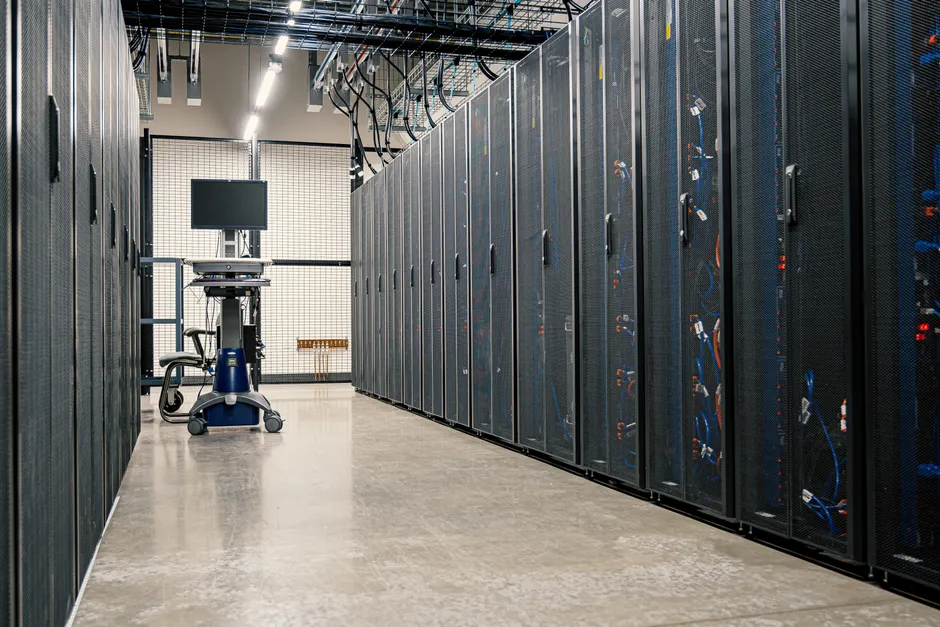
The agreement matters because AI computers use enormous amounts of electricity. Tech companies are struggling to find enough power to build the data centers that run their AI systems. Meta is betting that power beamed down from space could help solve that problem.
How the System Works
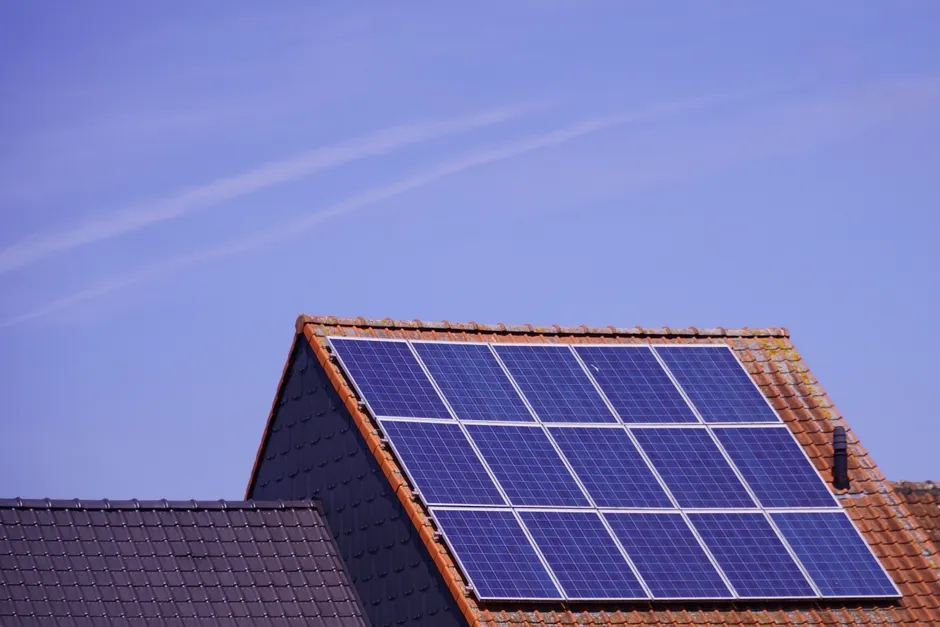
Overview Energy's idea is straightforward in concept. Satellites in space collect solar energy and convert it into a type of laser beam called near-infrared light. They then beam that light back to Earth, where it hits solar panels on the ground and gets converted into regular electricity.
The advantage is that satellites in space never have clouds blocking the sun the way they do on Earth. The satellites the company is planning would sit in a fixed position above Earth and have constant access to sunlight. That means the ground-based solar panels could generate power even at night or on cloudy days — times when they would normally be idle.
Overview Energy has already tested this technology from an airplane, successfully transmitting thousands of watts of power down to the ground. The company says the type of laser it uses is safe and invisible to the human eye. Founder Marc Berte's company emerged from its development phase with financial backing from EQT Foundation and plans to demonstrate the full system in 2028 using satellites in low Earth orbit.
The Urgent Problem: Data Centers Need Power Now
Meta is not waiting for space power to arrive. The company has also started putting temporary structures — essentially large tents and portable buildings — at locations where power is already available. These structures let Meta start running AI computers faster than building traditional data centers, which take years to construct.
At the same time, Meta secured a separate deal with the power company Vistra for 2,609 megawatts of nuclear power over 20 years. The company is pursuing multiple sources of electricity because the demand is so urgent.
The bigger picture here is that AI systems consume power faster than the utility companies and construction industry can build new power plants and data centers. Tech companies designed the cloud years ago to work with a normal, steady power supply. Artificial intelligence is different — it demands much more electricity, and it demands it immediately. We saw something similar happen in the 1990s, when the early internet grew so fast that utility companies had to scramble to lay fiber optic cables in years instead of the usual decades.
Why a Satellite Power Deal Might Take Time
One important point: Overview Energy is not expected to deliver this power until several years from now. The 2028 demonstration is still quite far away, and getting to actual commercial power delivery would take even longer. That means Meta's most pressing electricity needs in 2026 and 2027 will still come from traditional power plants and solar farms.
The space power agreement is Meta's plan for the medium term — perhaps two or three years out — not a solution to today's problem. That is why the company is also using tent deployments and buying traditional power in the meantime.
What This Means for the Future
If Overview Energy can successfully build and operate a gigawatt-scale power system in space, it could change how tech companies think about where they locate data centers. Right now, data centers have to go where electrical power is available. With power beamed down from space, that constraint loosens. Data centers could potentially be built in places that lack traditional power infrastructure.
The approach also reflects a growing recognition that training and running AI systems may require more reliable, continuous power than what wind and solar farms can provide on their own. Space-based solar power could offer the kind of steady, always-on electricity that AI demands.
Meta's tent deployments and space power deal both show how fast AI infrastructure needs are forcing companies to rethink the old ways of doing things. Whether space power becomes routine for tech companies remains to be seen, but it signals that when growth is urgent enough, even experimental solutions start to look practical.