UK Court Convicts Two Men Over Plot to Burn PM Starmer's Home

A London court found two men guilty on June 15, 2026, of planning to burn down properties and a car connected to British Prime Minister Keir Starmer. Evidence suggests the plot was directed by someone who speaks Russian and has not been identified or caught, according to Reuters, Al Jazeera, and the Washington Post.
One of the convicted men is Roman Lavrynovych, a 22-year-old from Ukraine. He was found guilty of setting fires that put lives at risk. A second man was also convicted in the same plot. Both were charged with actually setting the fires, not just planning them. This matters in British law—it means they could face prison sentences up to life imprisonment.
What makes this case notable is that someone directing the attacks from outside the UK was never caught or even publicly identified. This raises questions about foreign interference. Since Russia invaded Ukraine in 2022, British security officials and their allies have been watching for operations where foreign governments use local people to carry out attacks they can deny involvement in.
One detail might seem odd: the person actually convicted is Ukrainian, not Russian. But this fits a known pattern. Russian intelligence has recruited Ukrainians to carry out operations in other countries because they attract less suspicion, and some may be under financial pressure or threats. Whether that explains what happened here is something the court will consider at sentencing.
Attacking a Prime Minister's home is genuinely alarming in Britain. Starmer has been one of Europe's strongest supporters of Ukraine in its fight against Russia. The UK has sent military equipment and intelligence help to Kyiv. The fact that the plot targeted his personal home rather than government buildings suggests someone wanted to frighten him on a personal level.
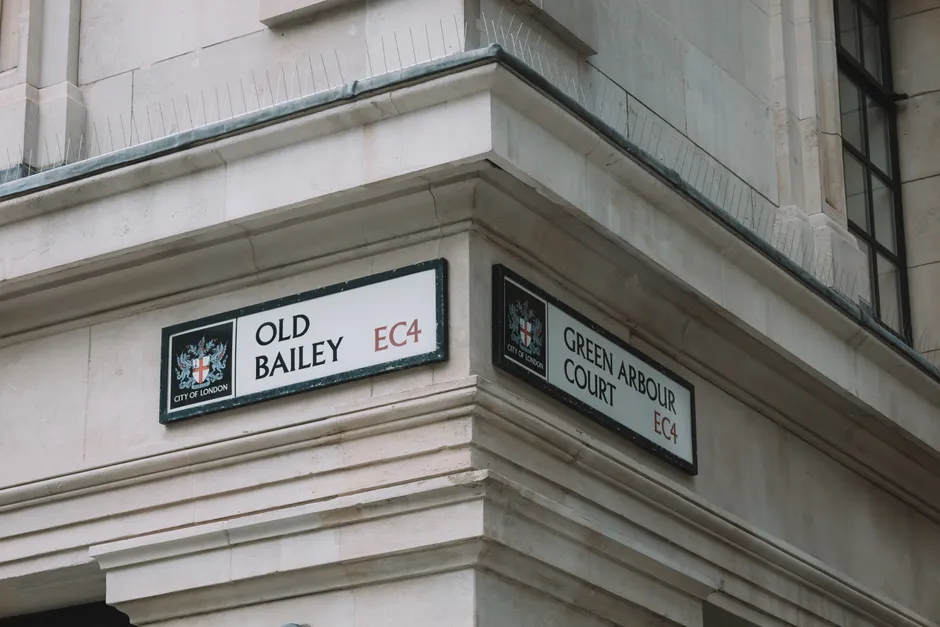
The Old Bailey is London's main criminal court. It handles the country's most serious cases. Sentencing for the two convicted men has not yet happened.
This case sits within a larger problem that European countries have been tracking. Russian intelligence agencies have a record of paying or pressuring people in other countries to carry out disruptive attacks—things that cause disruption but can be denied. British intelligence (MI5) and European agencies have warned these operations are happening more often and getting bolder. Whether the unnamed Russian-speaker in this case was working for the Russian government, acting on his own, or something else, may never become public knowledge.
For Starmer's government, the timing is difficult. The UK's support for Ukraine is a major part of its foreign policy, and this case raises uncomfortable questions about whether that support creates personal risks for the Prime Minister. How the government responds—with a public statement, a security review, or by saying nothing—will be watched closely. The decision itself sends a message.