A 97-Year-Old Woman Was Rescued From Nepal's Deadly Floods. Here's What Happened.
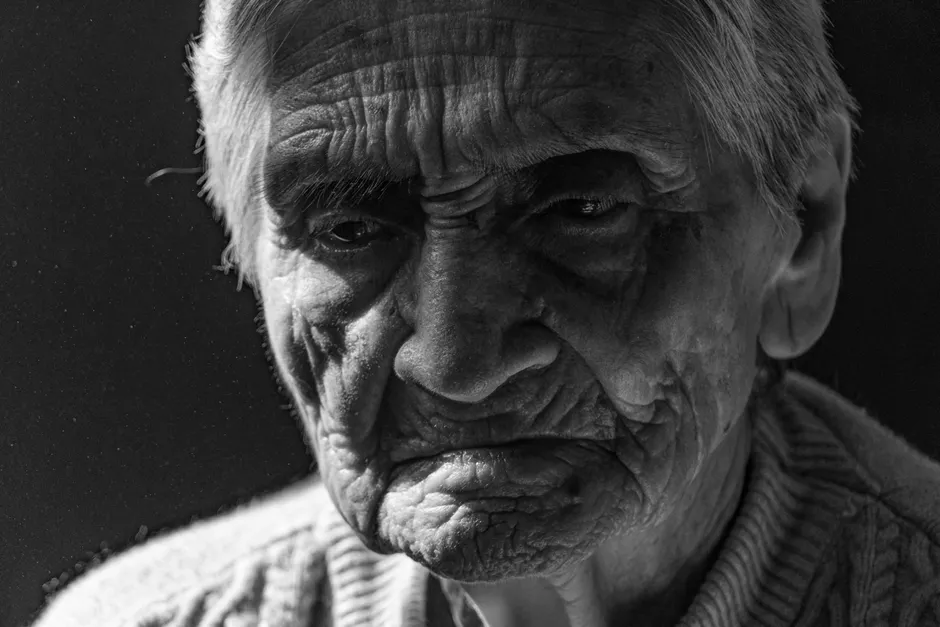
A 97-year-old woman was pulled alive from the rubble of her care home in Nepal after sudden, massive floods hit the Nepal-Tibet border area. The floods have killed at least 389 people and left more than 900 missing.
Guna Maya Bohara was rescued from the debris of her care home in an operation that took four hours, BBC News reported. She was recovering in hospital after the rescue, her doctors said. Her great-nephew, Dipak Bohara, who travelled from Kathmandu to help with the rescue, told BBC Nepali she looked like "a warrior" who had returned victorious from battle.
An army team used a large digging machine called an excavator to carry the elderly woman to safety, the Sydney Morning Herald reported. She was then taken to the Kathmandu Trauma Centre. She was in shock and unable to speak after being pulled from the mud. The Sydney Morning Herald also reported that she had dementia.
Some news outlets have given different details about who she is. The Times identified her as Gunakeshari Bohara, age 94, and said she was the only surviving resident or staff member at the care home in Rasuwa swept away by the floodwater. The Age, which did not carry a publication date, used the same name, Gunakeshari Bohara, and described the facility as a government-run care home destroyed by mud and water in Rasuwa district. The BBC, in its most recently published account, gives her name as Guna Maya Bohara and her age as 97. These differences across news services and major newspapers have not been sorted out.
The disaster goes far beyond this one rescue. At least 389 people have been confirmed dead and more than 900 remain missing across the flood zone, BBC reported. AP's photo coverage confirmed that many people were killed and hundreds remained missing, including tourists and workers. Thirty-five Australians were reported among the missing, according to The Age's coverage. The disaster struck on a Wednesday, though the precise date of the initial flood has not been specified in the available reporting.
Scientists believe the floods were caused by a glacier collapsing in the mountains along the border between Nepal and Tibet, BBC reported. BBC published video on August 26 showing the scale of the flood hitting the Nepal-Tibet region, including footage of the elderly woman being evacuated from a massive mudslide site using heavy machinery.
The danger has not passed. BBC reported on August 27 that a glacial lake nearby was rising, raising fears of another flood and making the situation even worse. Rescue operations were ongoing in multiple districts, including Trishuli Bazar in Nuwakot, where BBC documented rescuers transporting an older woman to safety amid the broader flood response.
Here is why this kind of flood happens. A glacier is a huge, slow-moving river of ice high in the mountains. Sometimes the ice or the pile of rocks and dirt holding back a pool of meltwater on top of a glacier gives way suddenly. When that barrier breaks, all that water rushes downhill with almost no warning. That is what scientists think happened here. The worry about a rising glacial lake after the first disaster is a sign of how these events can chain together: one collapse can weaken nearby areas, creating new flood risks that may last for days or weeks. Nepal's steep mountains and the fact that many towns and villages sit along river valleys in the Rasuwa and Nuwakot districts make the damage much worse when water comes rushing down.
Images from the disaster have spread widely. The Sydney Morning Herald published a photo gallery showing rescuers carrying the flood survivor, while The Times credited a photo to AFP/Getty Images showing rescuers using an excavator to transport the 94-year-old woman. Reuters similarly described a flood survivor being transported to a safer place in heavy machinery in Nepal.
The rescue of Guna Maya Bohara, whether 94 or 97, is one story in a disaster that has claimed hundreds of lives and may not yet be over. The glacial lake being monitored, the hundreds of people still missing, and the danger facing care homes in remote mountain areas all remain serious concerns.


