Nepal's Deadly Flash Floods: What Happened in August 2026
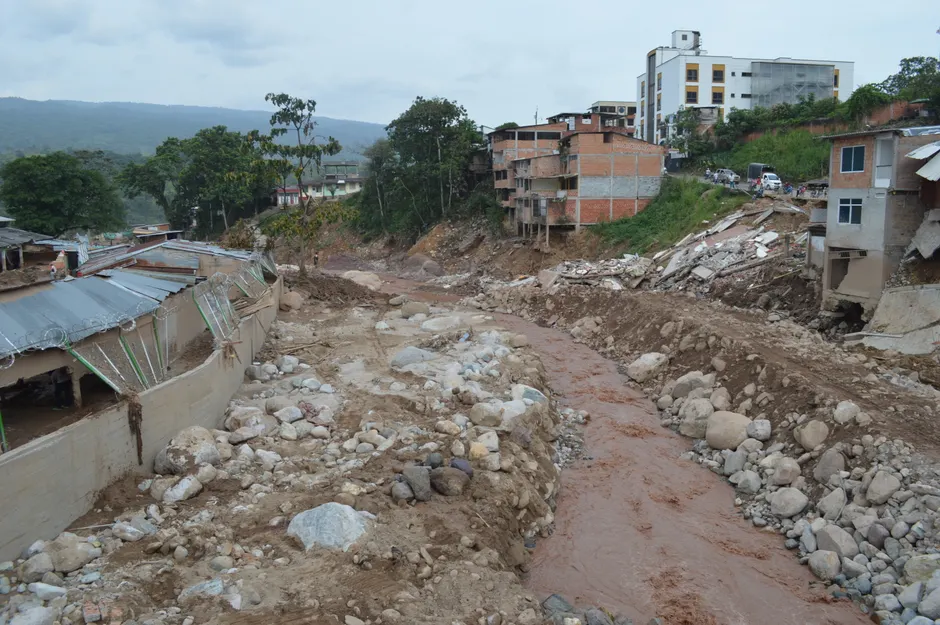
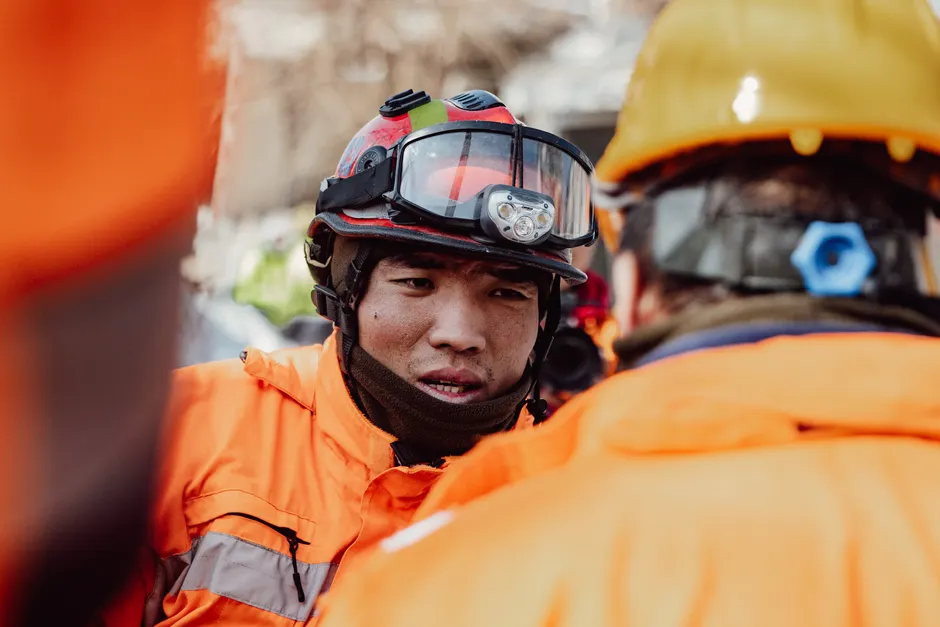
On 26 August 2026, a flash flood hit Nepal's Rasuwa district, destroying homes, roads, and public services in a matter of hours (British Red Cross). A flash flood is when water rises suddenly and violently, usually after heavy rain, giving people little time to get to safety. Two days later, rescuers were still searching for survivors, and some towns were completely cut off (ReliefWeb). Hundreds of people are still missing across Nepal and China's Tibet region after floodwaters tore through river valleys (UN News).
The human cost is devastating. The New York Times spoke to survivors near the Tibet border. One told the paper: "They all died, and I lived" (New York Times). Another Times report quoted survivors describing "a devastating force that turned everything upside down" (New York Times). Nepali police warned residents to head for safety as a new flood advisory was issued (New York Times.
About 93,000 people may have been affected by the floods, with many homes destroyed or badly damaged (ReliefWeb). The flooding crossed national borders: the UN confirmed that hundreds remain missing in both Nepal and China after the waters rushed through shared river valleys (UN News).
International aid groups moved quickly. The UN released US$3.2 million from its Central Emergency Response Fund (CERF), a pool of money the UN keeps ready to send fast in the first hours of a crisis (OCHA). The UN's emergency relief chief initially approved US$2 million for urgent medical care, shelter, clean water, and sanitation (UN News; OCHA). The IFRC, a global network of Red Cross and Red Crescent organizations, launched a CHF 25 million appeal on 27 August, planned as a 24-month effort (ReliefWeb).
Save the Children was delivering emergency aid to areas still cut off as of 27 August (ReliefWeb). On 28 August, nine schoolchildren were reunited with their families after being stranded at school for two days (ReliefWeb).
The broader context here is that Nepal is especially prone to flash floods during the monsoon season, the yearly period of heavy rain that runs roughly from June to September. Districts like Rasuwa sit along steep river valleys coming down from the Himalayas. When heavy rain falls or water breaks through upstream, it can rush down these narrow valleys with almost no warning. Because the flooding crossed into Tibet, Nepali and Chinese authorities have had to coordinate across borders, which adds a layer of difficulty.
The way aid money was released also tells us something. The UN's CERF fund is designed to get cash to disaster zones fast, filling the gap before individual countries can send their own donations. The IFRC's two-year appeal means experts believe recovery will take a long time, not just weeks. The fact that the UN increased its CERF allocation from US$2 million to US$3.2 million in the first two days suggests the damage turned out to be worse than initially thought.
The full number of casualties is still unknown. With hundreds missing and some communities still unreachable, the numbers will likely change. Nepali police have warned of a new flood advisory, meaning more flooding could still be on the way for a region already badly hit.