A Light Bulb That Shares Books
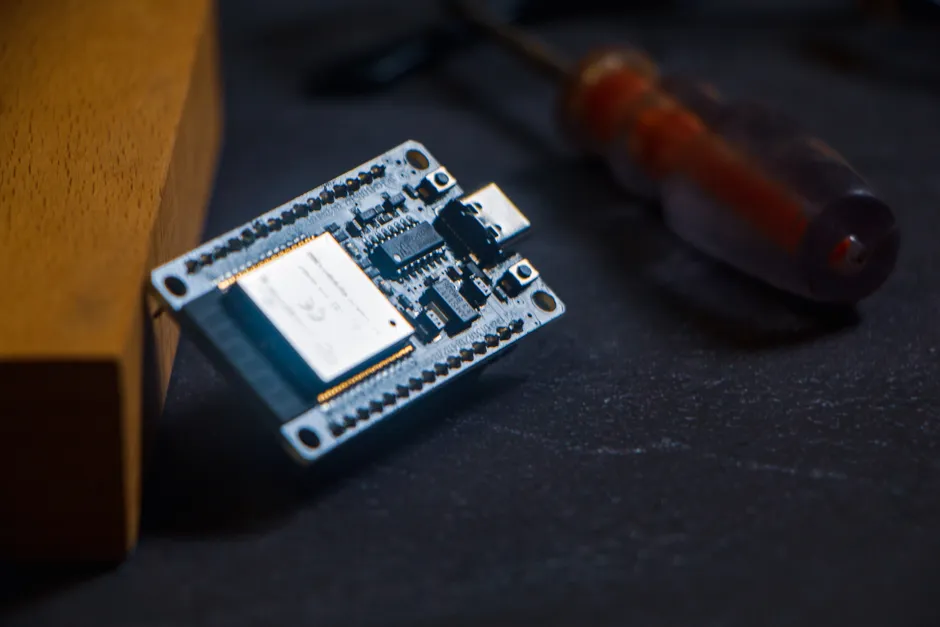
A project called the Banned Book Library stores full books inside a Wi-Fi-enabled light bulb and shares them wirelessly with anyone nearby, according to Gigazine (published 16 June 2026).
The bulb contains a small computer chip called an ESP32-C3. This chip is inexpensive and comes with built-in Wi-Fi radio, so it is already used in thousands of commercial smart bulbs. The whole thing fits inside a normal light bulb and has 4 MB of storage—think of it like a tiny hard drive. That is enough room for several books at once. A typical novel takes up less than 1 MB of space.
The bulb can also receive updates wirelessly, so the books stored inside can be changed or added without ever touching the physical bulb.
Here is how it works: you connect your phone or computer to the bulb just as you would to any other Wi-Fi network. Then you open your web browser and access the books stored on the bulb. No special app required. The bulb looks like an ordinary light fitting, which provides a layer of everyday camouflage.
The chip costs only a few dollars to make, and similar bulbs are already produced in factories around the world. That means this design is easy to copy or spread anywhere—a straightforward fact about price and availability.
This is not a new idea. For decades, people have hidden information in inconspicuous places: microfilm inside everyday objects, data written into DNA, books shared across networks of old Android phones. The Banned Book Library fits into that history.
There is one real limitation. The bulb can only hold so many books before its 4 MB storage runs out. If you want a bigger library, you would need multiple bulbs, compress the books more, or store only chapters instead of full texts. These are not hard problems to solve, but the current project does not fully explain how to do them.
Right now, there is an active debate in many countries about which books should be in libraries and schools, and which ones should be restricted. The Banned Book Library does not resolve that argument. What it does is make personal book preservation very cheap—less than the cost of an actual light fitting—and put the decision entirely in the hands of the person who uses it.