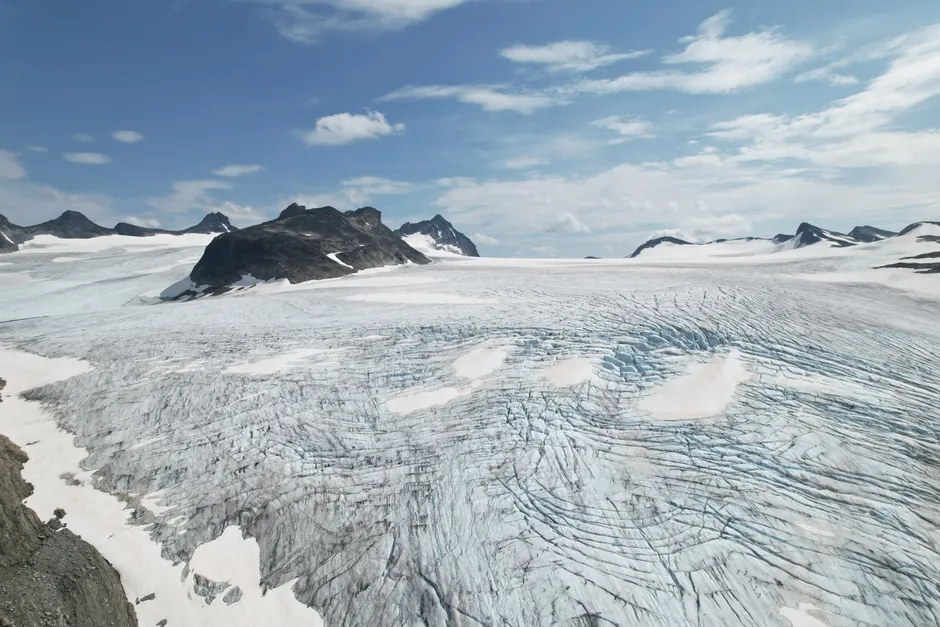
A Glacier Fell in the Himalayas. The Flood That Followed Crossed Two Countries.
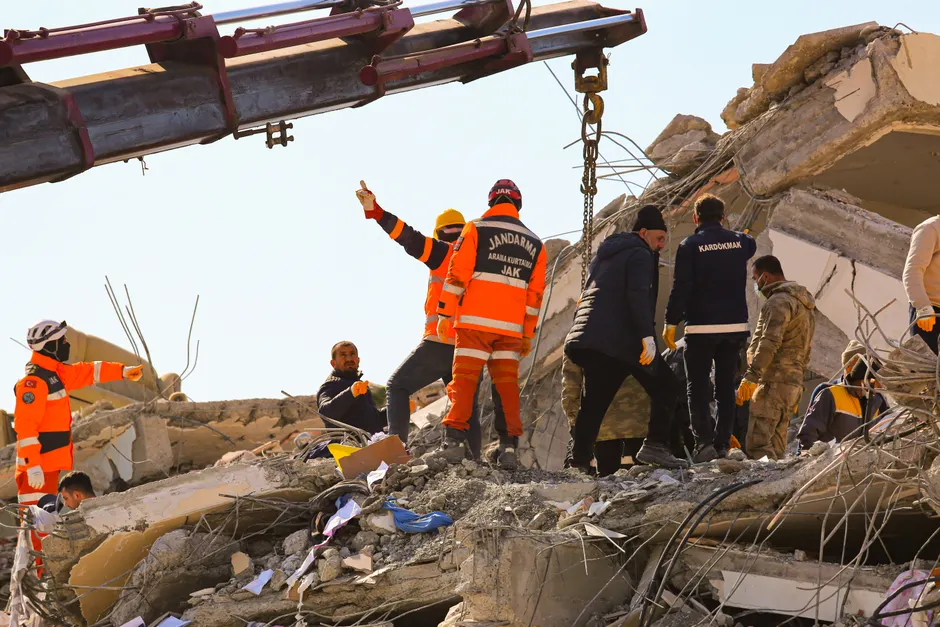
On August 26, 2026, a glacier collapsed in the Himalayas and sent a massive flood racing through Nepal and into southern Tibet. At least 669 people are dead and nearly 3,000 are still missing as of August 30, according to The Guardian. The disaster struck a border area called Rasuwa District, causing flash floods and a mudslide. It has triggered one of the biggest rescue efforts in Nepal's recent history.
The flood destroyed roads and buildings for at least 62 miles downriver, reaching both Nepalese and Chinese territory, ABC News reported on August 29. On the Chinese side alone, more than 550 people remained unaccounted for as of August 30. The Nepal Red Cross Society, led in this effort by Sagar Shrestha from Kathmandu, has been working alongside government agencies on the ground.
The death toll rose fast over four days. PBS NewsHour reported 160 dead on August 26. By the next day, Reuters put the number at 359. Nepal police said 469 on August 28. The Guardian's August 30 report brought the confirmed count to 669, with 2,000 to 3,000 people still missing, matching Reuters's August 29 assessment. Among the missing are 41 Australian citizens, up from earlier reports of 39. Foreign Minister Anne Aly and Assistant Minister Matt Thistlethwaite said the government was working urgently to find out if they are safe. One of them, Michael Keats from New South Wales, reached the Nepal-Tibet border crossing at Gyirong Port just ten minutes before the flood hit. He was confirmed missing on August 30.
People from all over the world were caught in the disaster. Reuters reported on August 27 that as many as 540 foreigners from 31 countries were among the 667 tourists listed as missing in Nepal. Smartraveller, the Australian government's travel advisory service, issued a crisis alert for the Nepal-China border area on August 26. The Himalayas draw large numbers of trekkers and travelers, and the Gyirong crossing is a key route connecting Nepal's trekking destinations with Tibet's overland travel network.
Nepal's government has sent about 15,000 soldiers and police to search for survivors across the flood zone. At a teaching hospital in Kathmandu, authorities hung photographs of unidentified victims on a wall. Each body had a paper label noting where it was found and a contact number. Relatives came to the hospital to try to identify their loved ones. It is a difficult and sobering process, made harder by the remote mountain terrain and the fact that the disaster zone spans two countries.
Nepal's disaster management agency, the NDRRMA, publishes daily updates at ndrrma.gov.np. Another government portal at drrportal.gov.np tracks disaster data by municipality, including deaths and missing persons. Bhotekoshi Rural Municipality, which lies in the flood's path, is one of the areas listed. Just days before the glacier collapse, the NDRRMA's August 23 bulletin recorded two child deaths from snakebites and 20 injuries from other incidents, showing that Nepal faces regular natural hazards even apart from major catastrophes.
A Government of Nepal water plan document notes that 6,025 people have died in floods and landslides across the country over time. Nepal is deeply vulnerable to flooding during the monsoon season, the rainy period that typically runs from June to September. But the August 2026 glacier collapse is a different kind of disaster. When a glacier collapses, it can release a huge amount of water and ice all at once, sending a fast-moving surge downriver that behaves very differently from seasonal flooding.
The broader context here is the growing concern among scientists who study glaciers about how stable Himalayan ice is as the climate warms. A glacier collapse can release so much water so quickly that it overwhelms roads, bridges, and towns before any warning system can even activate. Because this flood crossed an international border, hit Chinese territory with over 550 people missing on that side, and swept through a busy tourist crossing all at the same time, it created a crisis that no single country's disaster agency is built to handle alone. Nepal's 15,000-person deployment is large for the country, but the number of missing people, the hard-to-reach terrain, and the fact that the disaster spans two countries will test how well Nepal and China can coordinate, and such coordination has historically been limited in the Himalayas.
For the families of the missing, including the 41 Australians still unaccounted for, the chances of finding survivors shrink with each passing day. The identification process at Kathmandu's teaching hospital, with its photographs and paper labels, signals that the operation may be shifting from rescue to recovery. Whether the final death toll stays near 669 or rises further depends on what search teams find in the canyons and along the riverbanks downstream, areas that can only be reached on foot or by helicopter.