What Happened in the Nepal-Tibet Flood Disaster

A huge wall of ice broke off a glacier on the Nepal-Tibet border on Wednesday morning, August 26, 2026, sending a rush of water and rock crashing downstream. At least 768 people were killed and 3,048 are still missing across both countries as of August 30, according to The Guardian. The US Geological Survey confirmed that the breaking away of the glacier caused the disaster.
The victims come from both sides of the border. Chinese authorities reported 16 deaths and 546 missing on the Tibetan side. Of those missing, 261 were foreign nationals, including 104 from Nepal, 49 from India, 33 from Latvia, 18 from the United States, and 15 from the United Kingdom. Nepal's numbers are much higher: 768 confirmed dead and 3,048 missing as of August 30, with hundreds of foreigners among them. Some bodies were reportedly carried downstream by the water, possibly as far as India. About 30 Canadians and permanent residents were also reported missing, according to a statement cited by the New York Times.
Earlier figures from Nepal's disaster authority, reported on August 28, had put the toll at 579 dead and 1,924 missing, as noted by Good Morning America. The jump between August 28 and August 30 came from finding more victims and pulling together reports from different areas and sources across the border.
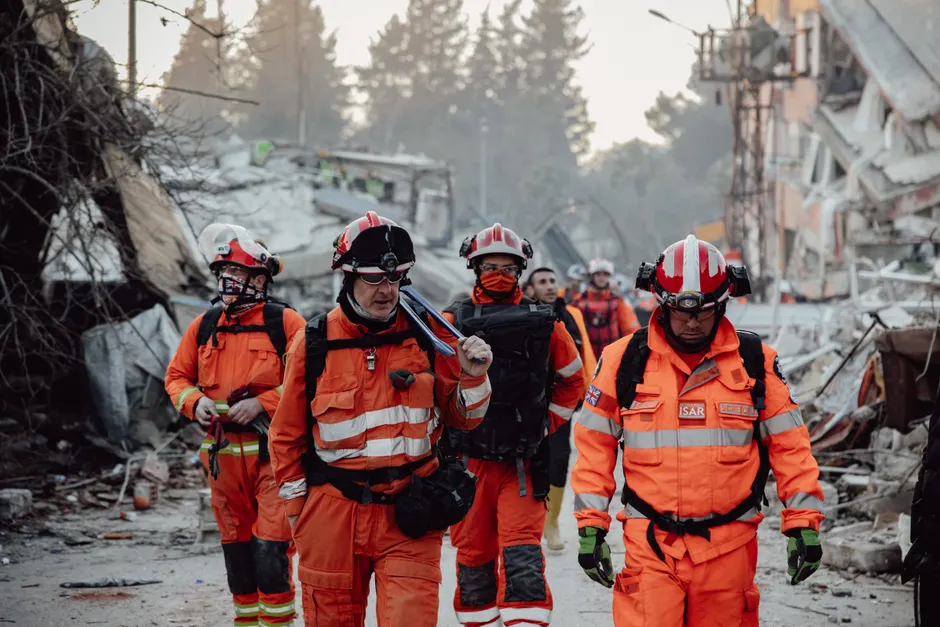
Rescue efforts are focused on several dam and power plant sites along the Bhotekoshi River in Rasuwa district. Nepal's disaster agency said 933 power plant workers are among the missing, with rescue teams concentrating on the Trishuli 3A and 3B hydroelectric sites. At the Trishuli 3A tunnel, where more than 100 workers are believed trapped, Nepal's army managed to insert a pipe into the structure. Home Minister Sudan Gurung said air was being pumped through the small opening, with digging and a rescue team to follow. More than 3,700 people had been rescued in Nepal as of August 30.
Nepal's disaster agency keeps a live online list called "Rescued & Missing Persons - Rasuwa Flood" on its SETU platform to track individual cases. Entries include people like Nirajan Shrestha, listed as found safe on August 27, and PRADIP SHRESTHA, age 23, listed as rescued. Others, including Damahammad Ansari, age 45, remain listed as missing. The District Administration Office in Banke, under Nepal's Ministry of Home Affairs, has also published information about missing persons from the Rasuwa flood.
Nepal began burying victims after collecting DNA samples, so families can later identify and reclaim the remains for traditional funeral rites. Officials asked for forensic testing kits and freezer units, because bodies pulled from water break down much faster than usual.
On August 30, the disaster agency warned that water flow in the Bhotekoshi River in Rasuwa had risen further, making evacuations and search operations downstream even more urgent. The government estimated that rebuilding could cost billions of dollars.
Foreign Minister Shisir Khanal called for a global response to the climate crisis. He pointed out that Nepal produces only 0.1% of the world's emissions, yet Nepalis have become major victims of climate change. The kind of glacial collapse that caused this flood fits a pattern scientists have linked to warming in the Hindu Kush-Himalaya mountains. As temperatures rise, permanently frozen ground thaws and glaciers become unstable, making sudden floods from breaking ice more common. Khanal's message frames this disaster as part of a larger trend: countries that contribute very little to global warming are bearing some of its worst consequences.
The bigger picture here is about where we build large projects in dangerous mountain areas. The Trishuli 3A and 3B power plants sit in valleys directly below glaciers that can collapse suddenly and without any warning. Managing rivers that cross borders adds a diplomatic challenge between Nepal, China, and downstream India on top of an already massive humanitarian crisis. And because citizens of at least five countries are among the missing, governments around the world will need to coordinate recovery efforts far beyond Nepal and China alone.