U.S. and Iran Sign Agreement to Stop Fighting

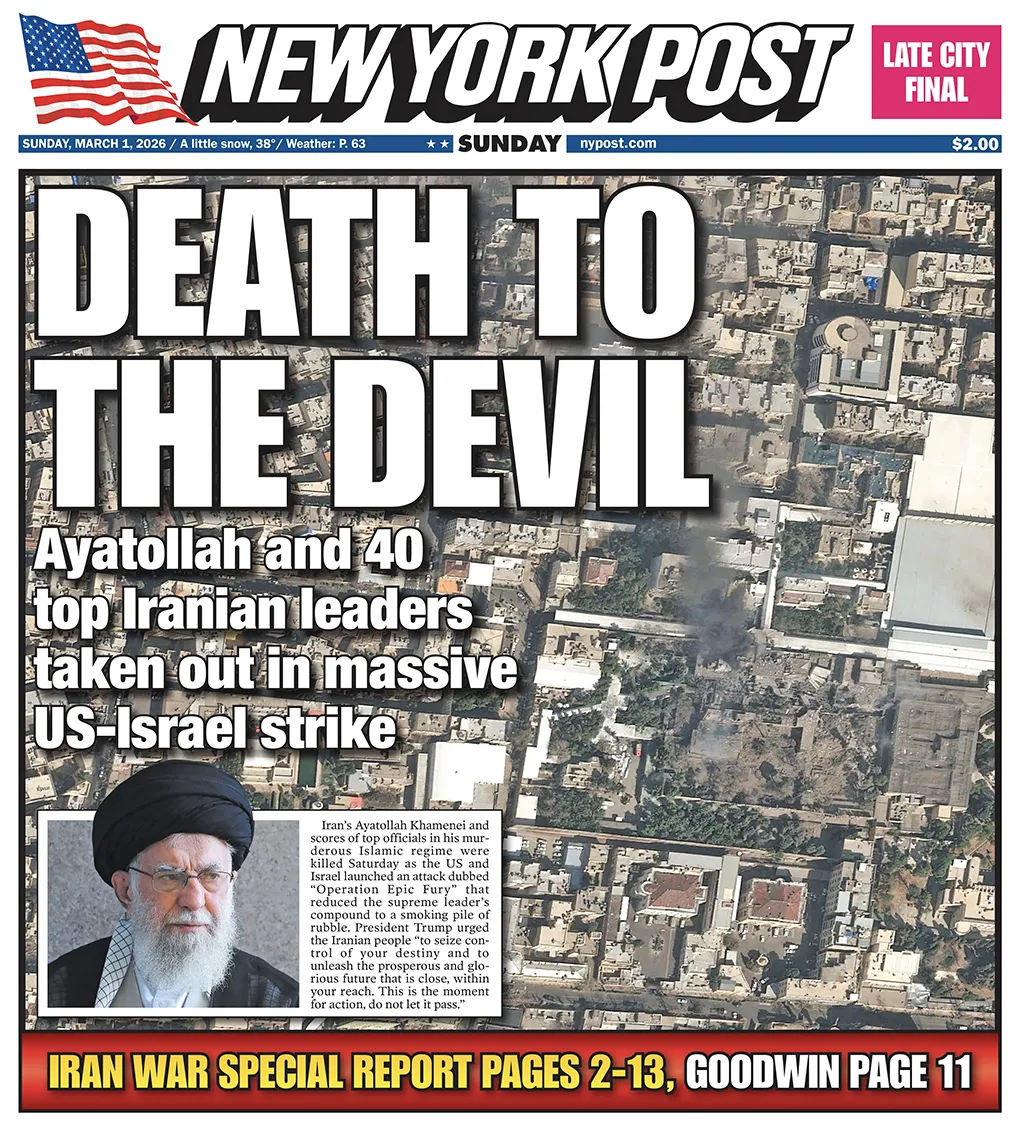
The United States and Iran have agreed to stop fighting each other. On June 15, 2026, senior officials from both countries signed a memorandum of understanding — a formal written agreement — to end their military conflict. Reuters reports that President Trump and Vice President Vance signed on the U.S. side, along with Iran's parliament speaker. The agreement stops all military operations immediately and permanently, including fighting in Lebanon, according to Al Jazeera.
The deal came together quickly. On June 14, the two countries announced they had reached a preliminary agreement. Pakistan, which had been helping the two sides communicate, publicly confirmed that a signing would happen on June 15. The countries signed the agreement electronically — over the internet — because there was no neutral meeting place that both governments would accept.
This agreement didn't happen smoothly. On May 27, the White House said that reports of a deal were false. Three weeks later, the deal was signed. This pattern is typical when countries negotiate in secret: publicly denying progress keeps things private until everything is finalized.
What the Agreement Says
Iran's government confirmed that the agreement stops all military operations on every front immediately and for good. Lebanon is specifically mentioned. That detail matters because Lebanon became a place where the U.S. and Iran fought through other groups, and naming it signals that both sides are trying to stop all the fighting, not just the main conflict.
A memorandum of understanding is an agreement, but not as legally binding as a treaty. Think of it like a handshake contract: both sides promise to do something, but it's easier to break than a formal law. A memorandum has no built-in way to enforce the agreement or settle disputes. So even though both sides say they will stop fighting, they need to create actual systems to check that the agreement is being followed.
Pakistan's public announcement before either the U.S. or Iran announced suggests the three countries planned it together. Since Pakistan has been the go-between, it has a reason to want the agreement to work.
What Happens Next
The big question now is what comes after this agreement. Will there be formal inspections to make sure both sides stop fighting? Will the U.S. lift economic punishments (called sanctions) that it placed on Iran? Will the two countries start normal relations again? The agreement doesn't say.
Stopping military operations is a necessary first step. But in a conflict as complex as this one — involving multiple groups across the region and deep economic ties — a cease-fire agreement alone usually isn't enough.
The first challenge will be keeping tabs on whether both sides are actually following the agreement. Neither side has named someone independent to watch for violations. That will need to happen soon, or the agreement could fall apart in the early weeks.
Because the agreement was signed electronically and hasn't been released publicly yet, people are relying on what government officials say about it. Once the full text becomes public, there may be surprises about what was actually agreed to.