What Happened in Nepal? A Glacier Collapsed and Floods Killed Hundreds
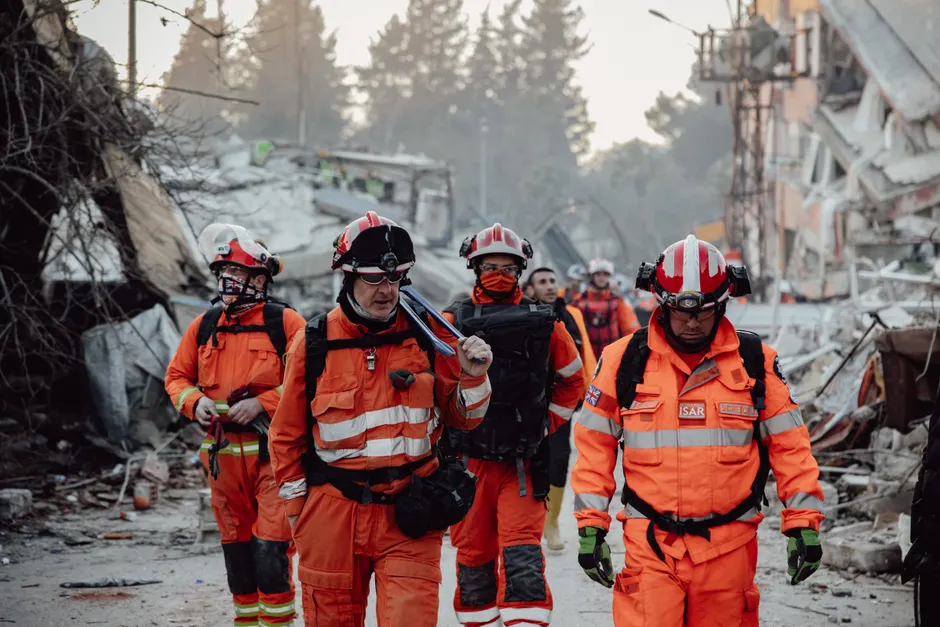
Nepal's disaster authority has confirmed 781 deaths and 2,502 people missing as of August 30, 2026, after a glacier collapsed and sent floodwaters rushing through Himalayan valleys near the Nepal-China border. Authorities have started burying unidentified victims in mass ceremonies, with nearly 100 bodies buried so far, according to the Herald Tribune.
Reuters also confirmed that a glacier collapse caused the flood. It reported about 750 deaths and more than 3,000 missing, and noted that families are still searching for loved ones.
The death toll has risen quickly over the final days of August. On August 27, Reuters reported 359 confirmed deaths and nearly 1,000 missing. By August 29, CNN put the death toll at 750 with more than 3,000 missing. The Hindu reported 768 deaths and over 2,500 missing by August 30.
The different numbers across news outlets reflect how hard it is to count casualties in a disaster zone spread across remote, high-altitude terrain. Nepal's disaster authority gives the official count of 781 dead and 2,502 missing, while international news agencies report slightly different figures based on their own reporting.
The broader context here involves how a glacier collapse causes flooding. Glaciers are massive rivers of ice sitting high up in the mountains. When part of a glacier collapses, it releases ice and water downstream with almost no warning. In steep Himalayan valleys, the water picks up speed and debris, creating a fast-moving wall that can overwhelm towns and roads far below. Think of it like a bathtub suddenly tipping over, except the tub holds a glacier's worth of ice and water, perched thousands of meters above the valleys.
Two things matter most for understanding how this disaster may develop. The first is the number of missing people. With 2,502 officially missing (or over 3,000 per Reuters and CNN), the final death toll could rise a lot. The second is that the flooding crossed international lines, hitting areas along the Nepal-China border.
The start of mass burials signals that the disaster response is shifting. It is moving away from searching for survivors and toward recovering and managing the dead. Nearly 100 bodies have been buried in mass ceremonies so far, per the Herald Tribune report.
The confirmed cause, a glacier collapse, fits a pattern of similar disasters in the Himalayan region. With deaths already over 780 and thousands still missing, this is one of the deadliest flash flood events in Nepal's recent history.


