Former Soldier Allowed to Attend War Memorial Opening, But Not Military Parade
Former Soldier Allowed to Attend War Memorial Opening, But Not Military Parade
A court has allowed Ben Roberts-Smith to attend the opening of Anzac Hall at the Australian War Memorial on 23 June 2026, but rejected his request to attend a separate military parade. The decisions were announced on 16 June 2026, according to reporting by The Guardian, the Australian Financial Review, and The Australian.
Roberts-Smith is a former Special Air Service Regiment soldier—Australia's most decorated military personnel when he received the Victoria Cross. He is facing criminal charges related to alleged war crimes during military operations in Afghanistan. He has denied all allegations.
What Are Bail Conditions?
When someone is facing criminal charges, a court may set bail conditions—rules they must follow while their case is being decided. Think of bail conditions like restrictions on someone's freedom of movement. In Roberts-Smith's case, the conditions limit where he can go and who he can see. If he wants to attend a public event, he needs the court's permission first, rather than just deciding on his own.
The Court's Decision
Roberts-Smith asked for permission to attend two events: the opening ceremony and social parts of Anzac Hall, and a march out parade for a soldier named Henry Diddams. The court granted the first request but refused the second.
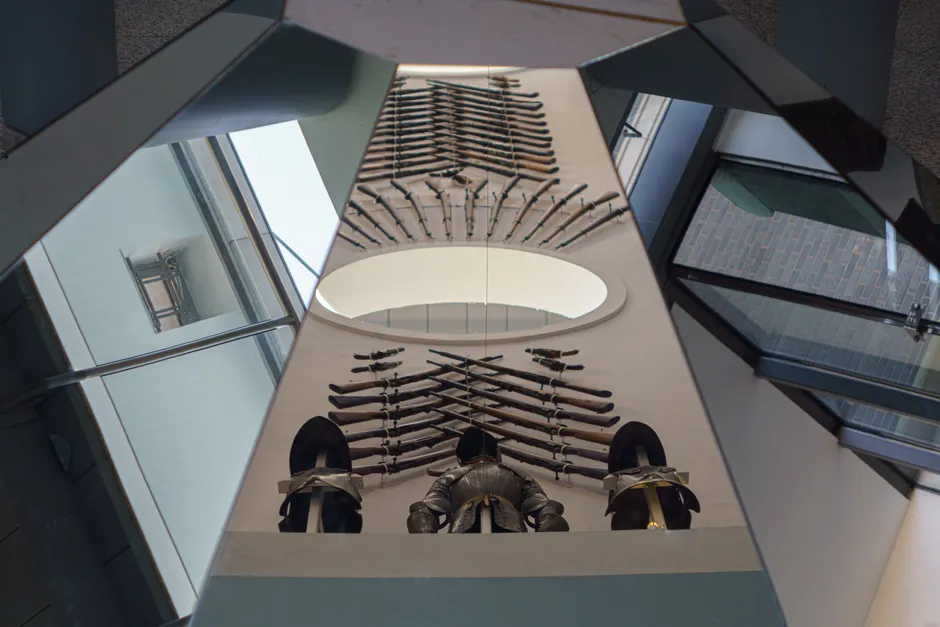
The difference between the two decisions likely comes down to the type of event. Anzac Hall is a major national institution—the original building was demolished in 2021 and rebuilt as part of a $500 million expansion of the Australian War Memorial. Its opening on 23 June will draw significant public and media attention. A march out parade for an individual soldier's retirement, by contrast, is a smaller, more localized military event.
Why This Matters
Courts deciding on bail changes typically weigh two things: whether the person has a legitimate reason to attend the event, and whether letting them go poses any risk—such as them fleeing the country or trying to interfere with the case. The court's decision to allow attendance at one event but not the other suggests the judge thought the Anzac Hall opening was important enough to permit, while the parade did not meet the same threshold.
The context here is worth noting. Roberts-Smith remains a prominent figure in Australia, and his case involves serious allegations. The fact that he will be present at a high-profile national event while his criminal case is still unresolved will draw public and media scrutiny. None of this changes how the court applies the legal rules, but it does mean the court's decision will be watched closely for what it signals about how the justice system is handling such cases.


