Why People Are Talking About Those Jets Flying Over the Rugby Stadium
An airline called Airlink is defending its decision to fly two passenger jets very low over a packed rugby stadium in Cape Town, South Africa. The flyover happened during a match between the Springboks (South Africa's team) and the All Blacks (New Zealand's team) at DHL Stadium. According to the flight tracking website Flightradar24, the first plane passed less than 50 feet (15 metres) above the top of the stadium. Fox News reported the figure at about 45 feet. On 30 August 2026, Airlink released a statement responding to concerns raised on social media and online forums about the flyby.
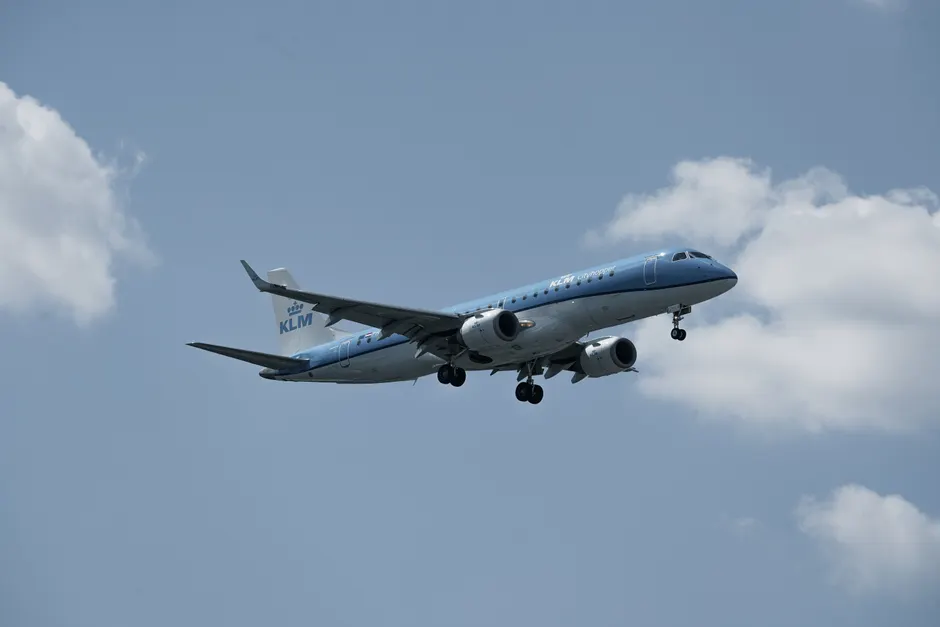
Airlink said the two planes — a type called the Embraer E-Jet — were flown by highly experienced crew. Each plane had three senior captains on board: a commander, a co-pilot, and a safety/technical officer. The airline said the flyover was rehearsed and stayed within approved limits for altitude and speed. On its social media channels, the company posted footage of the event with the message "Planning. Precision. Performance." BBC
Flight tracking data gives the public a way to check exactly how low the planes went. The numbers from Flightradar24 and Fox News help explain why people reacted strongly enough to prompt Airlink's statement. The planes were flying well below the heights normally used near airports, where planes have more room to avoid obstacles. At the altitude reported, the gap between the planes and the stadium roof was very small. Airlink's defense is that the maneuver was planned and rehearsed, not improvised, and that the extra officers on board provided additional oversight.
The flyover also connects to a famous moment in South African rugby history. In 1995, a South African Airways jet flew over a stadium in Johannesburg before the rugby World Cup final, in which South Africa beat New Zealand. That moment was shown in the Hollywood film Invictus and is remembered partly because Nelson Mandela wore the national team's jersey at the match. BBC
The broader context here is about the tension between putting on a show and keeping people safe. When airlines fly jets low over stadiums full of people, regulators and the public tend to pay close attention. Airlink's decision to put three senior captains on each plane suggests the airline understood the risks involved in flying that low over a crowded area. The carrier's argument is that this was not a spontaneous stunt but a planned maneuver with set safety limits.
For airlines, flyovers like this create a familiar conflict: the visual drama is great for promotion, but the safety rules governing commercial aircraft are strict and unforgiving. Flypasts require careful coordination with air traffic control and airport authorities to make sure the stunt does not interfere with other planes. The altitude figures from flight tracking services, though, suggest the gap between the approved safety height and the stadium itself was small enough to draw public concern — no matter how qualified the pilots were.
Going forward, the focus will likely stay on how airlines and regulators set and verify safety altitudes for flyovers near large crowds. When commercial jets fly close to big public gatherings, tracking data gives the public an independent way to check what really happened. Airlink's main defense is that it had safety officers on board and followed rehearsed limits, even as outside sensors recorded specific altitude numbers that some people find alarming.