Anker's New Sleep Speaker Tracks Your Heart Rate From the Nightstand — No Wristband Needed
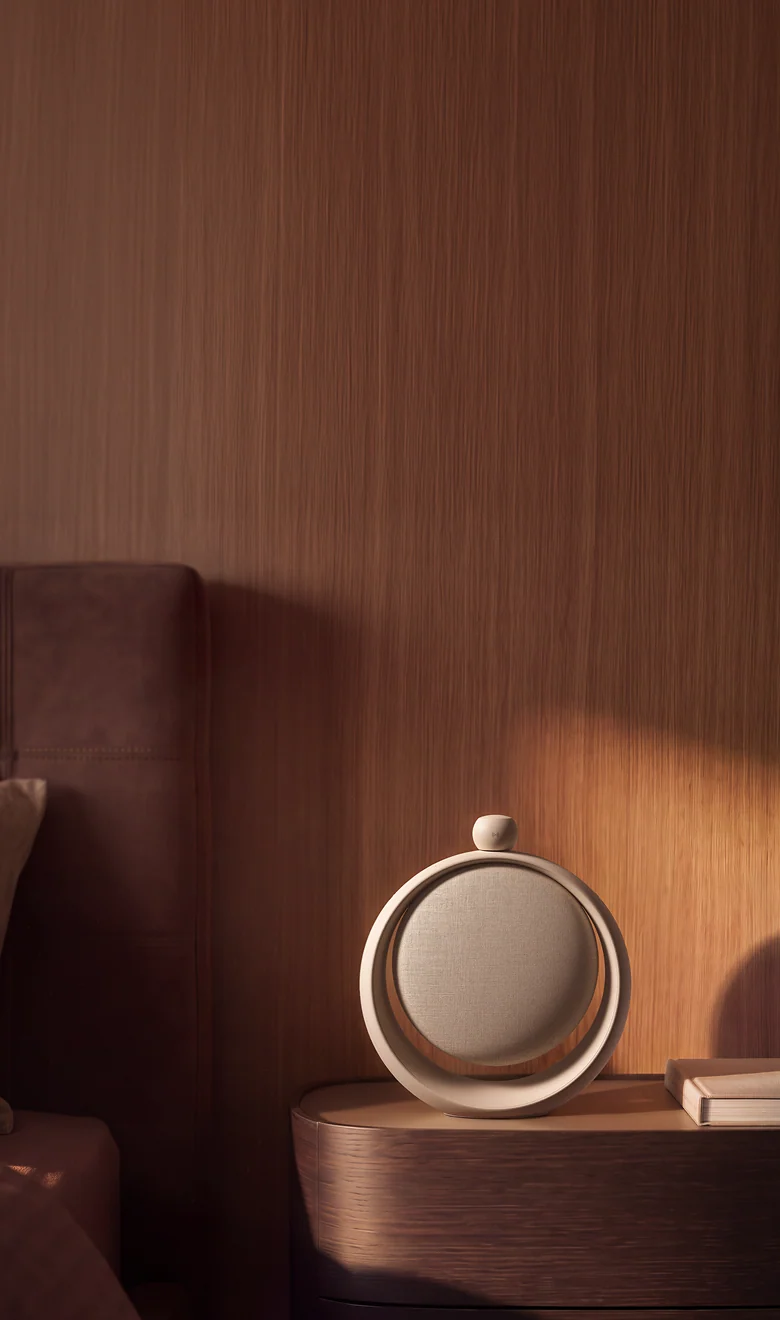
Anker has introduced the SleepLab, a speaker that sits on your nightstand and tracks your sleep using radar, no wristband required. Announced on September 3, 2026, it comes in two versions: a Pro model with radar sensing at $269.99, and one without radar at $169.99. You can reserve one for $1 through the Soundcore website. The Verge
The radar works at 60GHz, a frequency used for short-range sensing. From your nightstand, it detects tiny movements in your chest and body as you breathe and as your heart beats. From those movements it calculates your heart rate and breathing pattern without ever touching you. This is different from how most sleep trackers work. Smartwatches and fitness bands use light sensors pressed against your skin to measure blood flow. The radar approach avoids the problem of people simply taking off their wearable before bed. The Verge
The SleepLab does more than measure. It plays binaural beats, which are tones played at slightly different frequencies in each ear and are thought to influence brainwave states, and it has built-in lighting that gradually deepens relaxation. Over the course of a month, the device tracks how well you sleep with each combination of sound and light, then figures out which routine works best for you specifically. That ability to measure its own results and adjust accordingly is the product's main selling point. The Verge
The speaker runs on its own without a phone. One button turns it on. You can stream your own audio over Bluetooth if you want. No paid subscription is needed for any of the sleep-tracking or routine features, which stands out in a health product category where monthly fees have become common. The Verge
The $100 difference between the two models is essentially the cost of the radar sensor. If you already use a wearable for overnight heart-rate tracking, or if you do not want that kind of monitoring at all, you can buy the cheaper version and still get the speaker and its sleep-routine features.
Anyone who has used a smartwatch for sleep tracking knows the tradeoff: you have to keep it on your wrist all night, which can be uncomfortable and may itself disrupt sleep. Plenty of people just take the device off before bed. A nightstand sensor avoids that problem entirely. The real question is whether radar from a nightstand, probably one to two meters from your body, can measure heart rate as accurately as a wristband or the specialized mats some people sleep on. Anker has not published accuracy data, and real-world performance will depend on how you sleep, what your bedding is made of, and whether the radar can tell the difference between your breathing and other movement in the room.
There is also a subtler concern worth flagging. The SleepLab uses its own radar measurements to decide which sleep routines work best for you. If those measurements are off for some reason, the device is fine-tuning against bad data. This is a known challenge for systems that measure themselves, and it will become clearer once independent reviewers test the product.
The no-subscription model is good for consumers. It also means Anker is relying entirely on the one-time hardware sale, at up to $269.99, rather than the monthly fees that some sleep-health competitors charge. Whether that works as a business depends on how many units they sell.
Contactless radar sleep sensing has been studied in research labs for years but has been slow to show up in consumer products at this price. Combining the radar sensing, the active sound and light routines, and the month-long optimization in one device, with no subscription and no phone required, is ambitious. Whether it lives up to that ambition depends on two things: how accurate the radar is from a nightstand, and whether the personalized routines actually improve sleep over time. The Verge