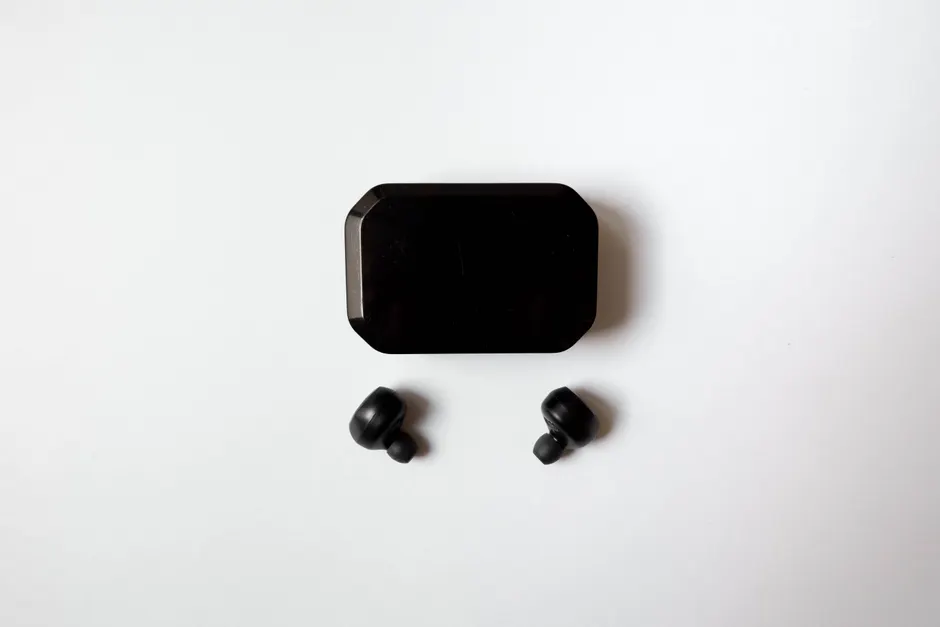
Ozlo's New Sleep Earbuds Last Longer and Know More About Your Room

Ozlo announced Sleepbuds 2 on July 28, 2026. They are the first major update to the company's sleep-focused earbuds since the original launched in late 2024. The new model costs $279, which is 12 percent more than the original TechCrunch.
Ozlo is an unusual company in the wearable tech market. It was started by three former Bose engineers, N.B. Patil, Brian Mulcahey, and Charlie Taylor, who all worked on Bose's own sleep earbuds. When Bose stopped making sleep earbuds, Ozlo bought and licensed the technology behind them. Since then, the original Sleepbuds have attracted more than 200,000 customers and won a 2025 CES Innovation Award PR Newswire. Ozlo calls them "the world's smallest earbuds designed just for sleep" Ozlo.
The Sleepbuds line has always been about physical comfort, not audio power. The original earbuds were smaller and flatter than AirPods, made for side sleepers who find regular earbuds painful to lie on. They were never meant to do everything regular earbuds do. Instead, they offered built-in sleep sounds, Bluetooth streaming, passive noise blocking (the ear tips physically block sound rather than using electronics), an alarm that plays in your ear, and sleep tracking.
Sleepbuds 2 improve on the original in three main ways: battery life, sound quality, and sensing.
Battery life goes from about 10 hours to 14 hours per charge. The charging case holds enough power for two to three nights and now has a physical button to play a sleep sound or snooze the alarm without reaching for your phone. A redesigned antenna gives longer Bluetooth range and a steadier connection.
The updated sound system includes a built-in amplifier to improve both the masking of background noise and overall sound quality. There are four new sound modes: Spoken Word, Airplane, Focus, and Balanced. A feature called Sleep Shield blocks calls, alerts, notifications, and streaming audio while it is turned on, though it only works if you have not already turned on your phone's built-in sleep mode.
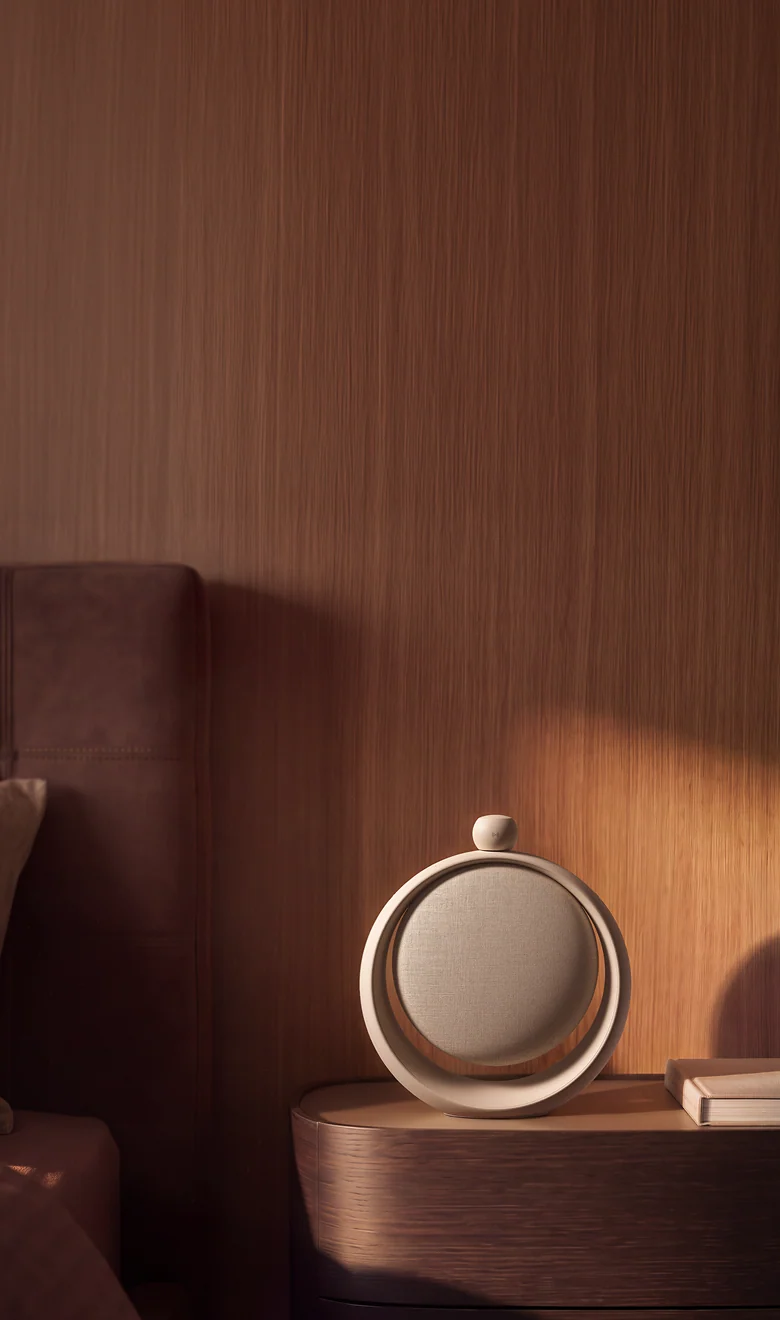
The biggest change is in what the earbuds can sense. Sleepbuds 2 have sensors inside the earbuds that track your breathing and movement. The charging case doubles as a room monitor, tracking sound levels, light, and temperature where you sleep. Think of it as splitting the job: the earbuds watch your body, and the case watches your bedroom. This is something wrist-worn sleep trackers like the Apple Watch cannot easily do, because a watch on your wrist cannot tell how bright or loud the room is.
The Sleepbuds 2 come with four pairs of silicone ear tips Business Insider. The charging case has two longer indicator lights that show charging and connection status Ozlo Support.
Ozlo also said it plans to turn sleep data into a broader platform. The company did not share specific partnerships, but the goal is to go beyond selling one device and start collecting sleep data from multiple sources. Whether this becomes an open system that other companies can plug into, or a closed loop only inside Ozlo's app, will shape how much the company benefits from the sensors it built into this generation of hardware.
The sleep-earbud category is still small. Apple, Google, and Samsung all track sleep through wrist-worn devices, but none make earbuds designed specifically for sleeping. Ozlo is trading the do-everything features of mainstream earbuds for a design and sensor set built for one purpose. Whether 200,000 customers proves this is a real category or shows it has hit its limit is a question this new generation may start to answer.
In my view, the battery improvement matters more than it sounds. Ten hours was barely enough for anyone who sleeps long or uses the earbuds to wind down before bed. Fourteen hours removes that problem without needing to swap earbuds in the middle of the night. And the room sensing built into the charging case is the feature most likely to set Sleepbuds 2 apart from a watch, because data about how bright, loud, or warm your bedroom is cannot be captured from your wrist.
At $279, the product sits firmly in premium territory, more expensive than most regular wireless earbuds but cheaper than high-end hearing aids or medical sleep devices. For a company that has only shipped one prior generation and is still building its own brand apart from Bose, the higher price suggests confidence that existing customers will upgrade and that the new features are worth it.
The broader question is whether sleep data alone is valuable enough to keep a hardware company going. Ozlo is betting early that it will be.