Xiaomi's New Folding Phone Takes a Different Shape — and Uses Its Own Chip
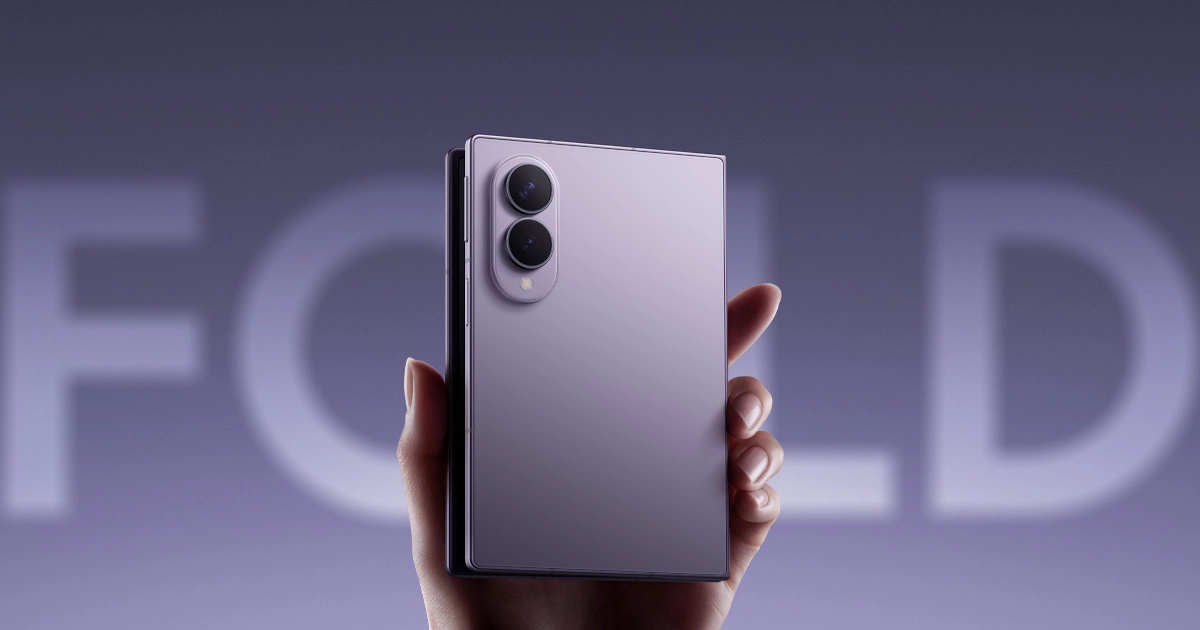
Xiaomi used its IFA 2026 stage to introduce the Fold 18 Pro, a folding phone with a shape that is shorter and wider than Samsung's Galaxy Z Fold 8. The full details will be announced on September 7, 2026, when the device launches in China. Engadget
The design is the first thing you notice. Samsung's Galaxy Z Fold 8, which launched earlier this summer, has a tall, narrow shape when closed, closer to a regular phone. CNET It measures 9.7mm thick when closed and 4.5mm when open, weighing 201 grams — which Samsung says makes it the lightest Z Fold device so far. CNET Xiaomi's approach appears to trade height for width, giving the phone a more square-like shape that could change how it feels in one hand and how apps look when the phone is opened up into tablet mode.
Xiaomi has not yet shared screen sizes, camera details, or other specifications for the Fold 18 Pro. Engadget What the company has confirmed is that the phone runs on its own XRING 03 chip. Xiaomi calls it its "Flagship AI SoC" — a single chip that handles computing, graphics, and AI tasks all at once. That could mean Xiaomi is replacing the chips it normally buys from companies like Qualcomm or MediaTek in its top-tier devices. Engadget
For comparison, the Galaxy Z Fold 8 uses a Qualcomm Snapdragon 8 Elite processor, with 12GB or 16GB of RAM and 256GB, 512GB, or 1TB of storage. Its main screen is a 7.6-inch display that refreshes 120 times per second with 403 pixels per inch. The Guardian The Z Fold 8's camera system has two 50-megapixel lenses — one wide and one ultra-wide. Samsung
The Fold 18 Pro's camera unit carries Leica lettering, continuing Xiaomi's imaging partnership with the camera brand, though the specific camera setup is still under wraps. Engadget
IFA 2026 also served as the stage for a second major Xiaomi announcement: the company confirmed it will launch its electric vehicles in Europe. Engadget No timeline was given for the European EV rollout beyond the announcement itself.
The broader context here is what the XRING 03 chip means for the industry. When a company that makes its own phones also designs its own chips instead of buying them from Qualcomm or MediaTek, that is a meaningful shift. Qualcomm and MediaTek have supplied the processors inside most high-end Android phones for years. If Xiaomi's chip can match the performance of the Snapdragon inside Samsung's Z Fold 8 — keeping cool, running fast, and handling AI tasks smoothly inside a thin folding phone — Xiaomi gains control over its own chip development, its AI features, and its costs all at once. If it cannot, the phone will ship at a disadvantage in the very category where buyers expect the best.
The passport-style shape is the second thing to watch. Folding phones have been slowly settling on similar dimensions, with Samsung's Z Fold series using roughly the same proportions for several generations. A shorter, wider screen changes which apps work well, especially Android tablet apps that have been designed around Samsung's screen shape over multiple releases. Whether Xiaomi's shape works better for getting work done, watching media, or neither is a question the September 7 launch should start to answer.
The September 7 event in China will provide the full specifications, pricing, and a clearer picture of how the XRING 03 chip performs in everyday use. Until then, the Fold 18 Pro is a strong signal that Xiaomi wants to stand out on both phone design and chip technology, and a reminder that folding phones are still new enough that a very different shape can shake up the conversation.


