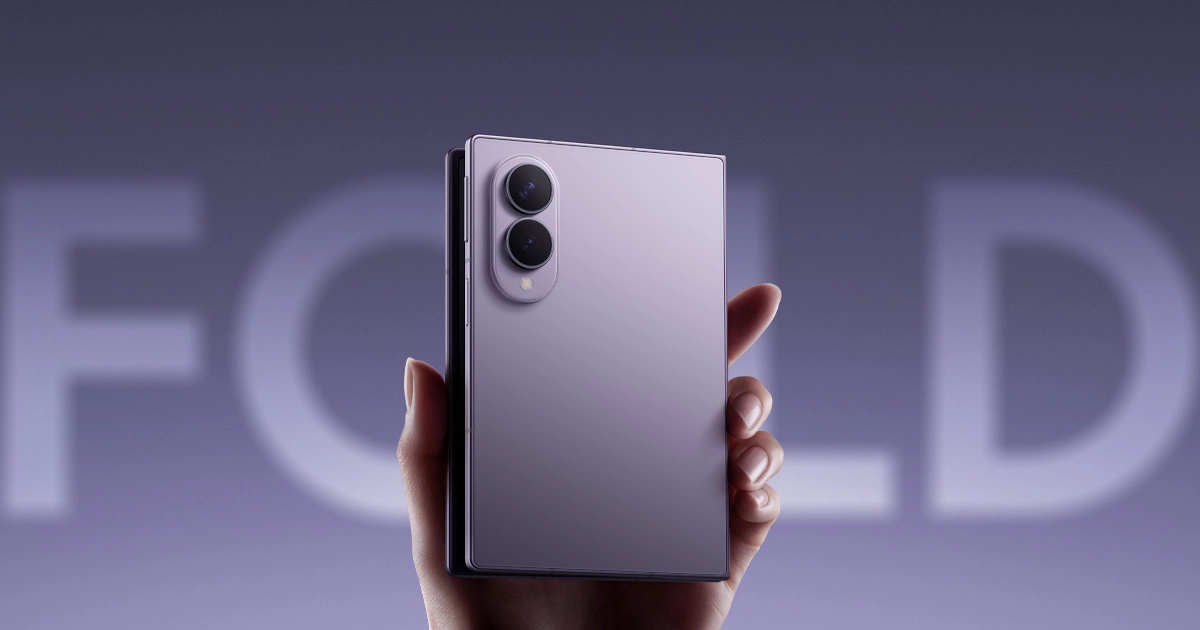
Xiaomi's New Phones Can Hide Your Texts From People Next to You

Xiaomi launched the 18 Pro and 18 Pro Max in China and said global sales will follow later this year. Both phones have a front screen that can hide information from people nearby, two 200-megapixel rear cameras, and a small second screen on the back around the cameras, according to The Verge.
The privacy feature is built into the front screen itself. You can turn it on only for chosen apps, such as messaging, banking or email, while maps or video stay normal. It also covers pop-up alerts, floating windows and split-screen views. It works a bit like window blinds that only open straight toward you.
Control is based on rules you set, not one switch for the whole phone. The phone can turn privacy on by itself in certain places, such as commutes, offices and travel. The front camera can also spot someone looking over your shoulder and turn protection on.
The back screen sits around the rear cameras. Xiaomi has not shared details on sharpness or controls yet. Because it sits next to the main and zoom lenses, it can show a preview for selfies taken with the rear cameras. When the phone is face down, it can also show the time, alerts and status.
Both phones have a 200-megapixel main camera with a light-capturing chip described as 1/1.28-inch-type, a 200-megapixel 75mm zoom camera using Samsung's 1/1.56-inch HP5 chip, and a 50-megapixel wide-view camera. Matched detail on the two most used views gives more room to crop, but creates more data for the phone to process.
Both run on Qualcomm's Snapdragon 8 Elite Gen 6 family. The 18 Pro uses the standard Elite chip and the 18 Pro Max uses the Extreme version. The design is the same, with different chip sorting and speeds to fit the smaller phone and the larger phone with more room for heat and power.
The 18 Pro has a 6.4-inch screen and a 7,000mAh battery. The 18 Pro Max has a 6.9-inch screen and an 8,500mAh battery. Prices for the series start at ¥5,999, about $900.
The broader context here is a change in what flagship phones stress. For several years the focus was night photos and larger main sensors. Xiaomi keeps large sensors but adds zoom reach, high detail and control screens on both sides. The large batteries supply the energy to run high-detail cameras, two screens and constant lookout sensing without cutting battery life short.
In my view, the privacy screen is the more lasting idea. Older stick-on filters and dimming software made the screen darker for the owner too. Building viewing-angle control into the screen and linking it to the app, the place and who is nearby avoids that tradeoff. Testing will need to check side views, brightness loss when it is on, power use, and whether apps need changes for floating windows.
Worth flagging for work phones, per-app privacy could matter more than camera numbers. Much work happens in public places. If a company can set work apps to always stay private across alerts and split-screen, the phone is easier to approve for travel. For most people the test is simple. If it works without fiddling, and rear-camera selfies look better, people will use it.