Why Venezuela's Opposition Leader Says Trump's Oil Deal Is Illegitimate
Venezuelan opposition leader María Corina Machado has publicly questioned Donald Trump's oil agreement with Venezuela's interim government, saying the country's natural resources do not belong to "an illegitimate regime" (The Guardian).
Machado made the comments in a video posted on social media on September 3, 2026. They were her first public remarks since Trump announced what he called "the biggest oil deal in world history" with Venezuela on August 28. In the video, Machado said the United States is "the principal partner Venezuela needs to fully develop its strategic potential." But she rejected the legitimacy of the people Washington chose to deal with. She said the current leaders in Venezuela's presidential palace were "enemies of the US" and had no democratic right to negotiate the country's natural resources. "The wealth of our subsoil does not belong to an illegitimate regime – it belongs to the Venezuelan people," she said (The Guardian).
The deal was signed with Delcy Rodríguez, who became Venezuela's interim president without an election. Rodríguez took power in January 2026 after the previous president, Nicolás Maduro, was captured by US special forces on January 3, 2026. Trump chose to back Rodríguez instead of Machado to lead Venezuela. He also warned Rodríguez: "If she doesn't do what's right, she is going to pay a very big price – probably bigger than Maduro." Machado's movement is widely believed to have beaten Maduro by a wide margin in the 2024 presidential election, but Maduro refused to accept the results. She has since been left out of Venezuela's interim government (The Guardian).
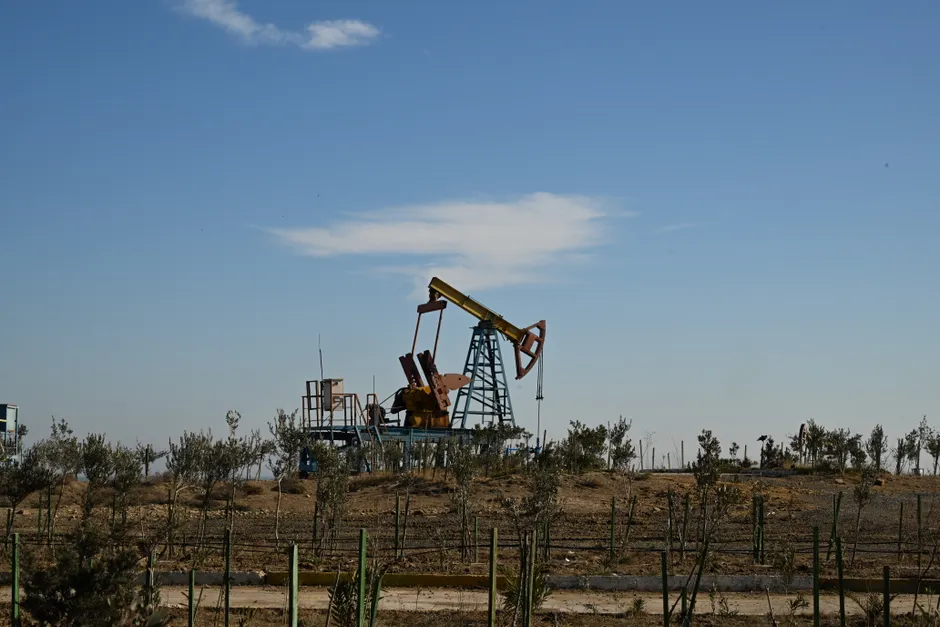
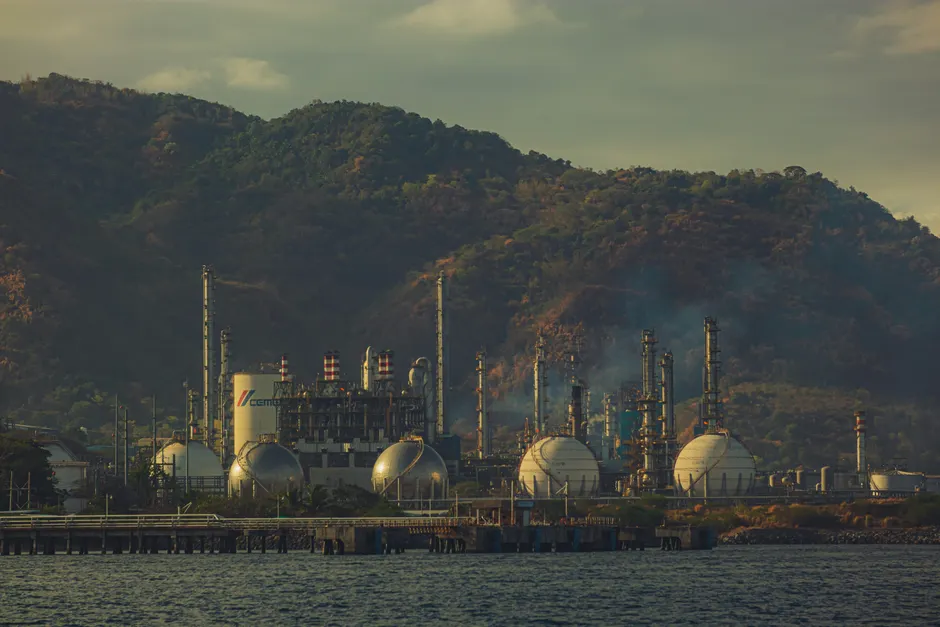
Venezuela has the largest proven oil reserves in the world, about 303 billion barrels. The Trump agreement covers more than 65 billion of those barrels. US Energy Secretary Chris Wright, speaking outside the presidential palace in Caracas, said the deal aimed "to massively grow production and economic opportunities in Venezuela." The White House described the deal as a step toward "energy dominance for the next century" and pushing out what it called foreign influence from China and Russia by keeping them out of Venezuelan oilfields (The Guardian; White House).
The background matters here. Maduro was removed by a US military operation, not by Venezuelans themselves. Rodríguez then took over the presidency without a vote. The deal she signed gives a foreign country access to about a fifth of Venezuela's oil reserves. Trump's public warning to Rodríguez, combined with the lack of any clear plan for new elections, suggests Washington may be putting access to oil ahead of restoring democracy.
When asked when a Venezuelan presidential election might be held, both Trump and Rodríguez avoided giving a date. Rodríguez said: "There will be an electoral process, but when Venezuela is ready" (The Guardian).
Machado chose her words carefully. She said her supporters felt "sadness and anger" at being left out of the decision-making process. But she did not reject US involvement altogether. Her argument is that the United States should work with leaders who were actually elected, not with an unelected interim government. That distinction lets her position herself as neither anti-American nor willing to go along with a deal she sees as illegitimate.
Critics have called the agreement predatory and compared it to colonial-style land grabs. Machado's supporters worry that Washington now has less reason to push for new elections, since Trump's energy and geopolitical goals are already being met by an interim leader who owes her position partly to US military action (The Guardian).
The bigger picture reaches beyond Venezuela. By shutting China and Russia out of Venezuelan oilfields, the deal changes who gets access to the world's largest oil reserves. Whether that exclusion lasts, and whether Rodríguez's government can actually increase oil production enough to meet the White House's goals, are open questions. What is clear is that the deal was negotiated without the political movement that says it won the 2024 election, and no date for a new vote has been offered.
Machado's comments, calm in tone but sharp in substance, make sure the legitimacy problem at the center of this deal stays on the record. The tension between extracting oil and restoring democracy in Venezuela is now out in the open. Washington's answer so far is Rodríguez's vague promise of elections at some unspecified point.