Trump Met Venezuela's New Leader: Here's What You Need to Know

Donald Trump met Venezuela's interim President Delcy Rodríguez late on Tuesday, September 22, 2026, in New York during the U.N. General Assembly. Reuters
It was their first in-person meeting since the White House supported Rodríguez to lead Venezuela. They spoke briefly during a reception hosted by Trump. It was described as a pull-aside meeting. BBC
U.S. Secretary of State Marco Rubio and White House Chief of Staff Susie Wiles were there. They met a few kilometres from the New York jail where Nicolás Maduro is awaiting trial for drug trafficking and other charges.
Rodríguez said she and Trump talked about working together on energy, mining and security. Her statement after the talks gave no details on specific promises beyond those three areas.
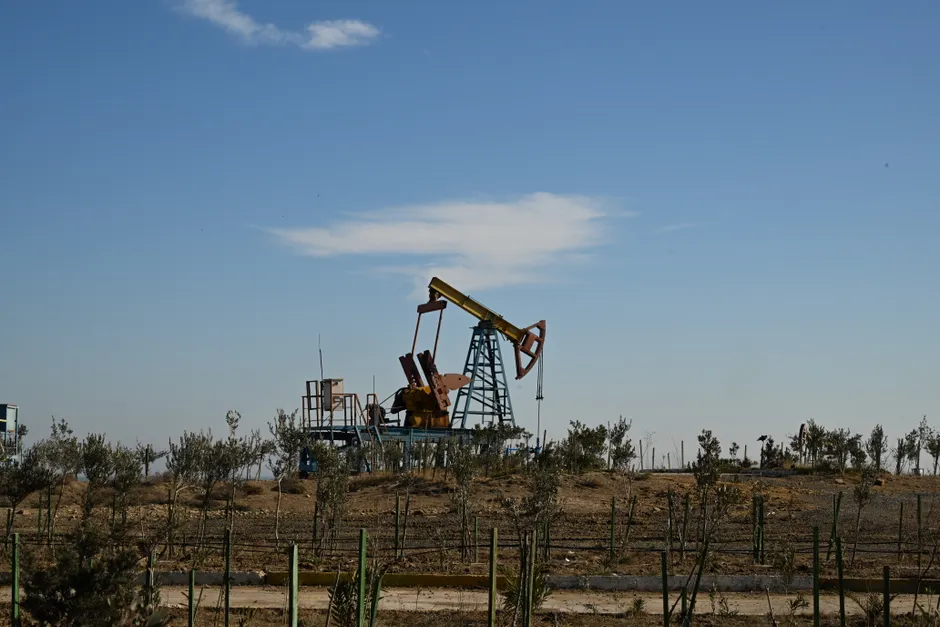
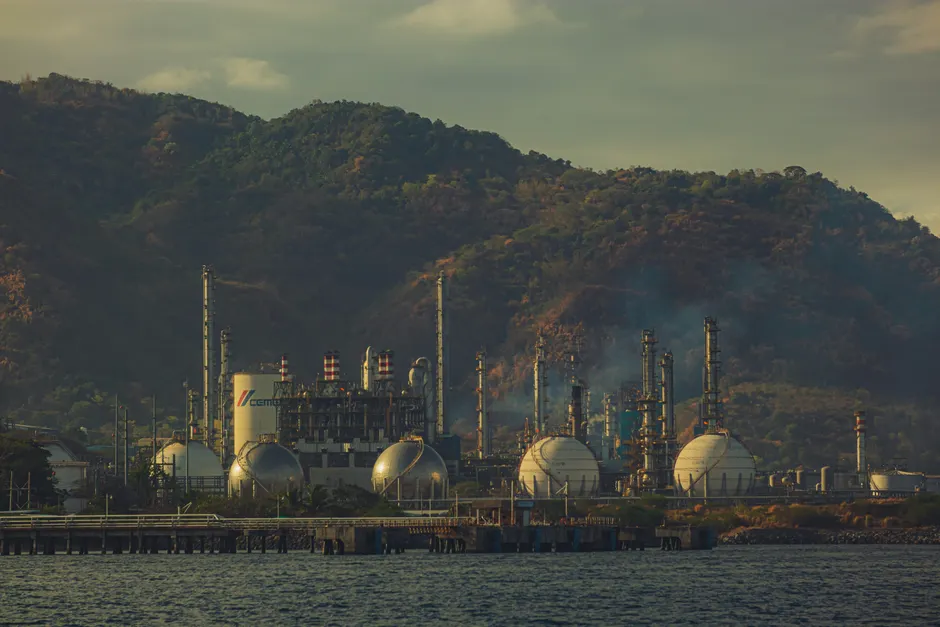
Energy was the big topic around the meeting. Venezuela signed a deal letting the U.S. control more than 65 billion barrels of Venezuelan oil. That is more than one-fifth of Venezuela's oil. The deal gives a U.S.-led company the right to run 17 oilfields in Venezuela for 100 years. It is like a very long rental of the oil fields.
Trump called it "the biggest oil deal in world history". On Monday at the U.N., Trump said the U.S. and Venezuela control more than 60% of the world's oil.
Rodríguez took over after U.S. forces raided Caracas and seized Maduro. U.S. special forces seized Maduro in January 2026. Days later, Venezuela's National Assembly made Rodríguez interim president with support from the White House. Interim president means temporary leader. She was Maduro's vice-president before.
The U.S. put legal limits, called sanctions, on Rodríguez in 2018. It removed them in April this year.
This was Rodríguez's first trip to the United States as leader. She is the first Venezuelan head of state to visit since Maduro was captured in a U.S. military raid in January. She will speak to the U.N. General Assembly on Wednesday afternoon. That speech will put her views before all member countries.
Venezuelan opposition leader Maria Corina Machado has repeatedly been barred from re-entering Venezuela. The head of the Inter-American Development Bank, a bank owned by countries in the Americas, is working on a $2.5 billion loan for Venezuela.
The broader context here is a temporary leader trying to turn a military-backed change into normal diplomacy and business. Washington went from seizing a sitting president to backing his former vice-president within days. It then removed longstanding sanctions on her, negotiated 100-year resource deals, and set up a leaders meeting at the General Assembly. Those steps on who is recognized as leader, lifting sanctions, rebuilding money and oil contracts usually take years.
Looking at the next few weeks, three issues will test if this new relationship lasts. The first is law and management. A 100-year deal over 17 fields and more than 65 billion barrels will need steady management in Caracas and acceptance by lenders, companies and courts. The second is politics. Rodríguez is in New York as an interim president picked by the National Assembly, not by a contested vote, while a well-known opposition figure cannot return. Her Wednesday speech will show how she explains her right to lead and what comes next. The third is other countries. The IDB loan talks show Washington is not the only source of money planned to help stabilize Venezuela. How oil money, bank loans and security work are ordered will shape power on all sides.
Stepping back, the place of the meeting said a lot. A U.S. president and a Venezuelan president talked about cooperation while Maduro awaited trial nearby. That closeness showed the break with the past more clearly than official statements could.