The US and Iran Are Fighting Over Oil Ships in the Gulf — Here's What's Going On

In the 24 hours before September 6, 2026, the United States and Iran attacked each other's ships in the waters around the Strait of Hormuz. The US hit three Iranian oil tankers. Iran fired a ballistic missile (a powerful guided weapon) at US warships Al Jazeera.
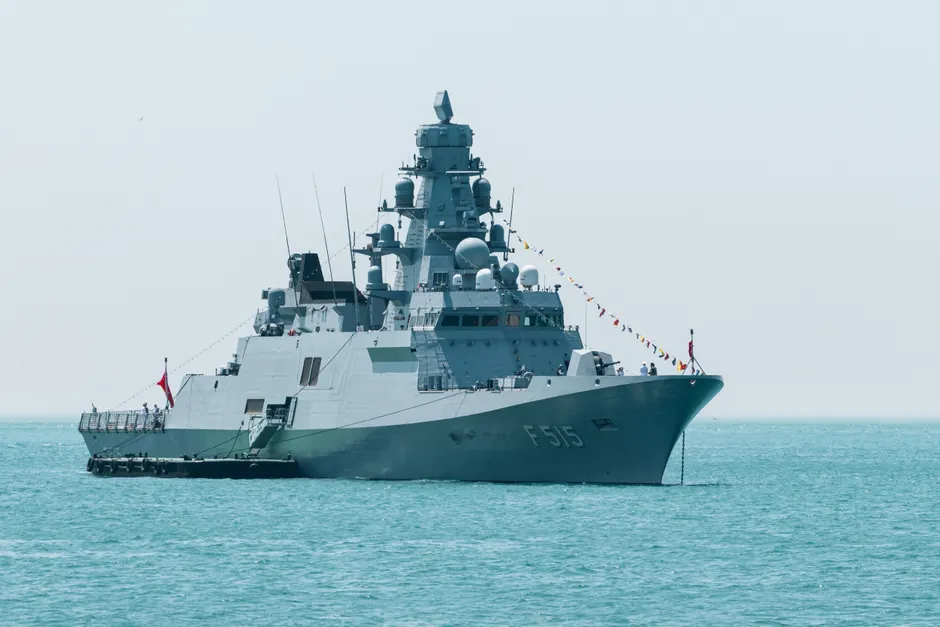
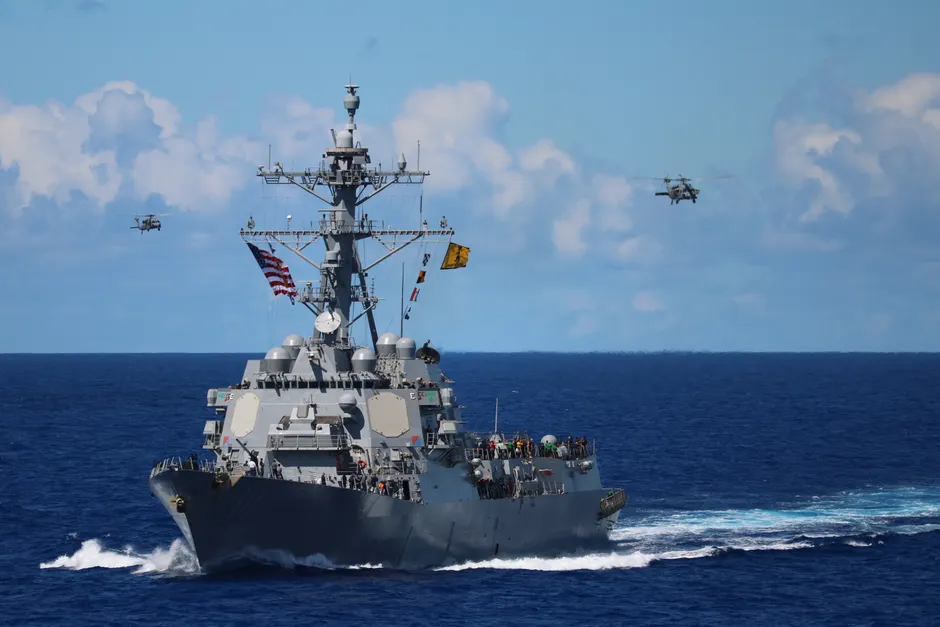
The US military command for the region, called CENTCOM, said its forces struck three Iranian vessels. One was a tanker near Kharg Island, the hub through which Iran exported 90 percent of its crude oil before the war. A second tanker was hit near Jask. A third vessel, which had no cargo on board, was struck in the Gulf of Oman after its crew was told to abandon ship. The US military said on September 5 that these strikes came after Iran fired ballistic missiles at a US aircraft carrier and a navy destroyer. CENTCOM said the ships dodged the attacks and no Americans were hurt The Guardian.
CENTCOM commander Admiral Brad Cooper described the response in money terms. "If you shoot at two of our ships, we will impose an even higher economic cost — taking out three of yours," he said. Washington said the Iranian tankers it struck belonged to a multibillion-dollar shadow fleet, a hidden network of ships that sells oil off the books to fund the IRGC, Iran's elite military force, and its allies in the region.
Iran's IRGC said it launched "several ballistic missiles" at a US aircraft carrier and destroyer, accusing them of harassing Iranian ships and helping with a naval blockade. Iran also said its forces targeted three oil tankers travelling through an "unauthorised route" in the Strait of Hormuz and three US-linked vessels elsewhere. On September 6, Iran said it struck an unmanned US vessel trying to enter the strait, according to The Associated Press.
Iranian broadcaster IRIB carried a statement from the IRGC navy warning ships in the Gulf or near the Strait of Hormuz not to be "deceived" by the US military and to stay out of unauthorised waterways or risk being targeted.
Defence analyst Wolfgang Pusztai noted that the Iranians targeted both a destroyer and an aircraft carrier. He called it a very significant development and said the American retaliation was unsurprising.
The broader context here is a conflict that has been going on for months. It started on February 28, 2026, with US-Israeli attacks on Iran. Iran responded by shutting down the Strait of Hormuz, a narrow waterway between Iran and Oman through which 20 percent of the world's oil supplies flowed. About 20 million barrels of oil passed through it every day before the war. Iran has used a shadow fleet to get around sanctions (penalties that stop a country from trading normally) and sell oil. That income became more important after the US started blockading Iranian ports in April. CNN reported on September 5 that Iran wants to stop ships from passing through the strait without its permission while the US increases attacks on Iranian shipping.
The strikes have followed a steady rhythm, not just occasional flare-ups. On July 21, a tanker was attacked in the Strait of Hormuz as the US struck Iran for the tenth night in a row. Oil tanker traffic through the strait was nearly stopped on July 9, according to shipping data. On September 1, two very large tankers carrying Saudi oil were hit by unknown projectiles within minutes of each other. On September 2, the US military said it finished its latest wave of strikes on Iran after that weekend's exchange of fire, the first since late July. US officials told Anadolu Agency that the US military struck two Iranian government tankers as part of a broader wave of attacks.
Earlier CENTCOM reports showed a steady pattern of Iranian harassment and US response. Iran's IRGC Navy seized the Panama-flagged oil tanker Niovi while it was passing through the Strait of Hormuz, the second merchant vessel seized by Iran within a week. CENTCOM reported that Iran attacked three commercial vessels in the strait, including the Marshall Islands-flagged M/T Al Rekayyat and a Saudi Arabia-flagged vessel. A US Navy lab in Bahrain confirmed Iran was behind a November 15 drone attack on a Liberian-flagged commercial tanker.
What this means is two campaigns running side by side. The US is trying to break down Iran's ability to sell oil by hitting the shadow fleet Iran depends on for money. Iran is using its position at the strait to control who can pass through and by targeting the most powerful ships in the US Navy. The fact that Iran fired a ballistic missile at an aircraft carrier raises the stakes dramatically. Whether either side finds a way to stop, or whether more countries and shipping insurers get pulled in, will affect oil prices and naval strategy for months to come.