Why Are the US and Iran Fighting Again? A Ceasefire Just Fell Apart
Why Are the US and Iran Fighting Again? A Ceasefire Just Fell Apart
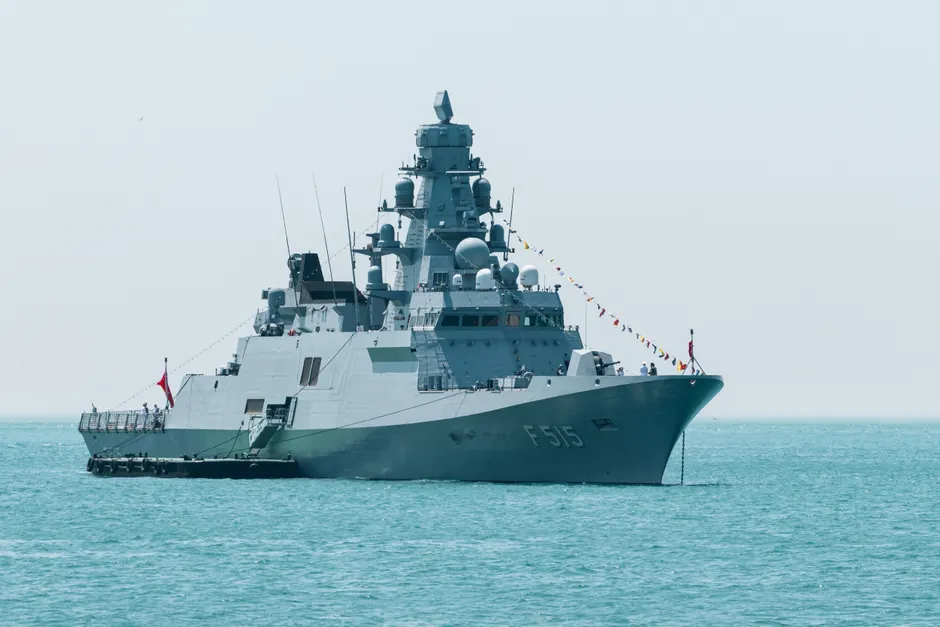
The United States launched military strikes on Iranian military sites early Wednesday, July 8, 2026. The strikes hit weapons launch sites, air defences, and coastal surveillance systems. They came after Iran attacked three commercial ships in the Strait of Hormuz—a narrow waterway between Iran and Oman that millions of barrels of oil pass through daily.
The Guardian reported the operation was expected to last for several hours. Iranian state media said explosions occurred on the island of Qeshm and in the cities of Sirik and Bandar Abbas. Iran immediately said the US violated a peace deal—a ceasefire—that had been holding since April.
The US military said Iran's Tuesday attacks on the ships were "unwarranted, dangerous, and a clear violation of the ceasefire." One of the attacked ships, the Al Rekayyat, was a Qatari gas tanker heading south. A Saudi oil carrier, the Wedyan, was also hit. Al Jazeera reported the Qatari ship caught fire and could have exploded.
Qatar's foreign ministry called the attack on the Al Rekayyat illegal under international law. This matters because Qatar had been working as a go-between, trying to help the US and Iran make peace.
A peace deal that never really held
The ceasefire started in April 2026. By June, both countries agreed to a peace framework and 60 days of talks about Iran's nuclear weapons program. But the deal was shaky from the start.
The US and Iran had clashed again in June—multiple times. On June 9, the US struck Iranian targets after Iran attacked a US Navy ship called the USS Apache. On June 26, the US struck again after an Iranian attack on a cargo ship. On June 27, there was another exchange, followed by a pause and talks Reuters.
Around July 1, experts met in Doha, Qatar to work out how to get ships moving again through the strait. The strait handles about one-fifth of the world's oil shipments Reuters. The US also held a security meeting with 12 countries in Bahrain on July 1. But within days, both efforts fell apart.
What triggered the new crisis was a US decision. On Tuesday, the US removed a temporary permission that had allowed Iran to sell oil on world markets. The US had granted this permission after the earlier peace deal in June. Iran said this violated the agreement and threatened "decisive measures." The US gave Iran until July 17 to wrap up any oil sales already in progress Reuters.
Some people in the Trump administration had always opposed allowing Iran to sell oil. They said it gave away bargaining power too early, before negotiations about Iran's nuclear program even really started.
Who gets to control the shipping lanes?
But the real problem goes deeper. Iran and the US disagree about who controls the Strait of Hormuz. Iran's military force, the Revolutionary Guard Corps, started claiming in late June that the ceasefire gave it authority over which ships can pass through. It issued warnings to ships and boarded several vessels.
Oman has suggested creating a new shipping route closer to its own coast. Iran opposes this idea because it wants to be able to charge ships for passage through its waters.
Iran says the peace agreement states that Iran gets to manage the strait, working with Oman. According to Iran, the US trying to create new routes breaks the deal.
Experts say the problem is that the peace agreement was written so vaguely that both countries can read it and claim the other side violated it. Each new incident becomes another argument rather than a chance to calm things down. The fuzzy wording may be more dangerous to the ceasefire than any single attack.
Wednesday's strikes came at a sensitive moment. Iran's top leader, Supreme Leader Ayatollah Ali Khamenei, had recently died. Iran was in a period of mourning and figuring out who would replace him. Iran's foreign minister, Abbas Araghchi, condemned both the US and Israel for strikes he said broke the ceasefire. According to reporting from July 7, Iran said it would not return to talks unless the US stopped attacking Reuters.
What happens next depends on what leaders in Washington, Tehran, and Oman decide in the coming days. The question is whether the two sides can agree on a clearer, more specific version of what the ceasefire actually allows.


