Russian Warship Fires Warning Shots at British Yacht in English Channel

Russian Warship Fires Warning Shots at British Yacht in English Channel
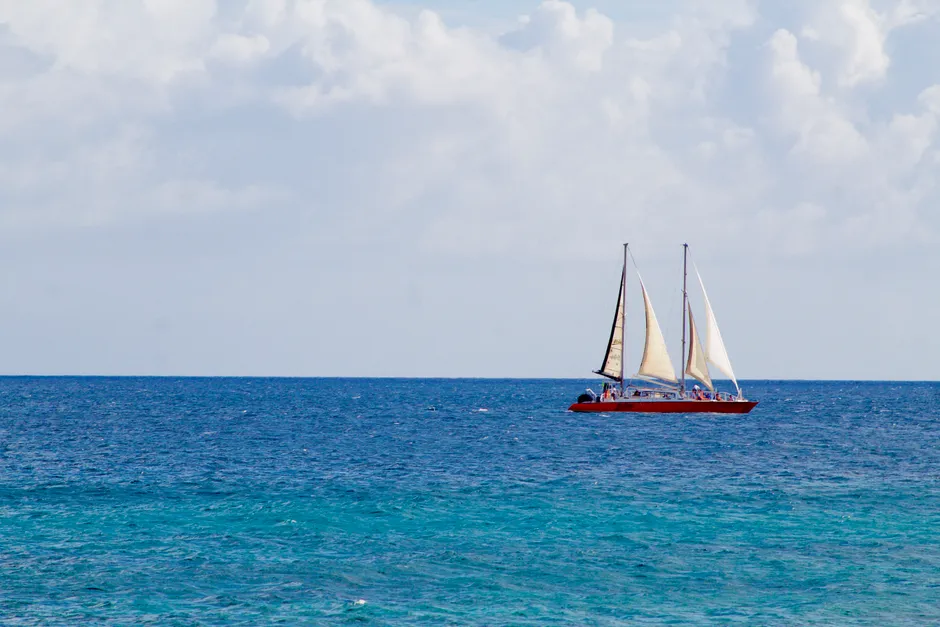
A Russian naval ship fired warning shots at a British-registered yacht in the English Channel on Tuesday, 10 June 2026. The yacht, called Bright Future, was crewed by a retired British couple and was traveling between the Isle of Wight and Normandy when the incident occurred.
The ship that fired was the Admiral Grigorovich, a guided-missile frigate from Russia's Black Sea Fleet. It opened fire from about 450 to 500 metres away, according to The Guardian and The Times.
The presence of a Russian warship in the English Channel matters because this is one of the world's busiest shipping routes and sits on NATO's eastern edge. It is not a place where Russian military vessels normally operate.
What Warning Shots Mean
Warning shots are not accidental gunfire. Under maritime law and naval practice, they send a specific message: the other vessel must stop or change direction. Firing them at a civilian yacht — rather than a military or coast guard ship — and at close range in a heavily trafficked strait is extremely unusual in peacetime. It breaks the normal rules of how navies behave toward civilian vessels.
A Week of Rising Tension
This incident did not happen in a vacuum. Earlier in June 2026, British forces boarded a sanctioned Russian oil tanker in the English Channel. This was the first time the UK had physically stopped a Russian shadow fleet vessel. According to the UK Ministry of Defence, Defence Secretary Dan Jarvis called it a direct blow to Moscow's war financing.
What is a shadow fleet? It is a network of old oil tankers, often registered under flags of convenience, that Russia uses to sell oil while evading international sanctions. The G7 has set a price cap on Russian oil to limit Russia's profits. The shadow fleet helps Russia sell around that cap.
Before June 2026, most efforts to stop this had been limited to listing companies and ships on sanctions lists. Actually boarding and stopping a tanker in British waters is a new, more aggressive step. The UK has the legal authority to do this because the vessel was sanctioned.
The speed of UK enforcement has picked up. In 2026 alone, the UK sanctioned roughly 500 individuals, entities, and vessels connected to Russia, according to the Foreign, Commonwealth and Development Office. That volume compressed into months what previously took years.
The Longer Story: Four Years of Escalation
June 2026 also marks four years since the UK launched Operation Interflex, a training program where Ukrainian soldiers learn combat skills on British soil. The Ministry of Defence says more than 63,000 Ukrainian personnel have completed training through this program.
The UK's approach to Russia has shifted over this time. It moved from diplomacy and economic pressure toward more direct military involvement — training soldiers, supplying weapons, and now physically intercepting ships carrying Russian oil revenue. The yacht incident fits into this wider pattern, though in this case the escalatory move came from the Russian side.
Russia has used naval transits through the Channel before as a form of messaging. It has shadowed exercises and changed routes at irregular times. But firing at a civilian vessel is fundamentally different.
What Russia's Intent Was — And Wasn't
Russia has not offered an official explanation for why the frigate fired. Meduza reported the incident without attributing it to the Russian government. As of 16 June 2026, Moscow had not made a statement about it.
The silence is deliberate. By offering no explanation, Russia keeps itself ambiguous — it leaves the UK guessing about what it means or what might come next. This puts pressure on Britain to decide how to respond.
What Happens Next
The British government now faces a choice on two fronts. First, it may need to revise the rules that govern how adversary warships can transit the Channel. Second, it must decide whether the yacht incident changes its strategy on boarding Russian tankers, or whether Russia intended it to.
Both questions point to the same deeper issue: how contested will Britain's coastal waters become? Until recently, the English Channel was considered settled territory. The events of June 2026 suggest that assumption may no longer hold.