Police Crack Down on Network That Hired People to Carry Out Toronto Shootings

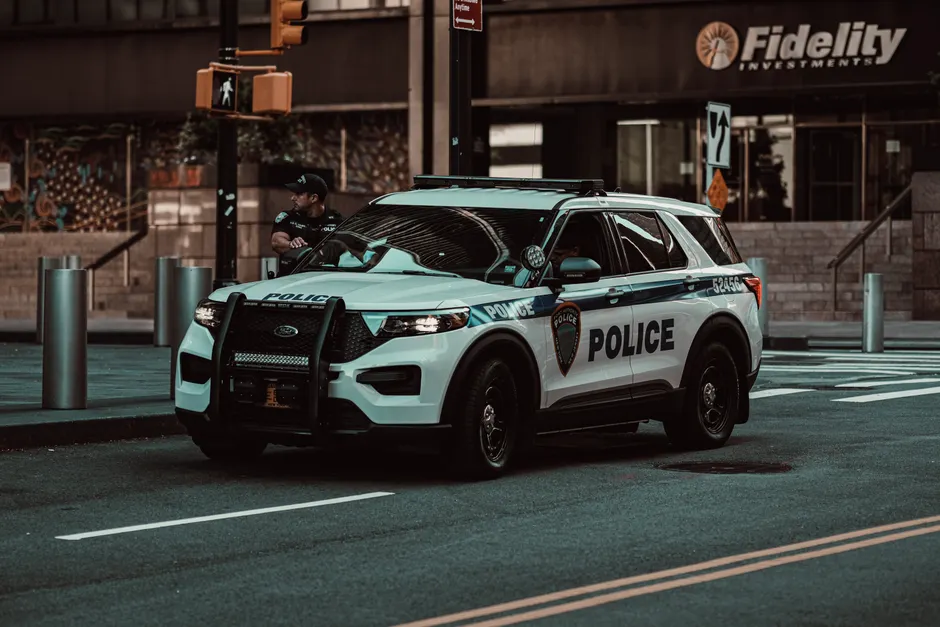
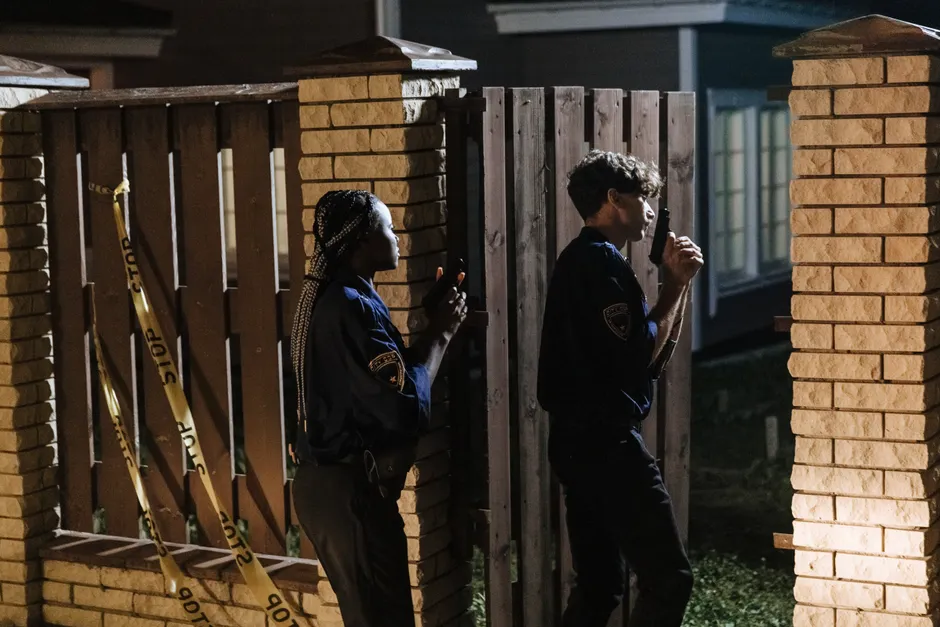
A Toronto police officer died on June 16, 2026, when police raided five locations across the city to break up a network that paid people to commit shootings. Police say the same network was responsible for an attack on the U.S. Consulate in Toronto in March and separate shootings at synagogues.
Three people have been charged so far, according to The Globe and Mail. The raids are part of an investigation that Toronto Police Service has been running since the consulate attack, with help from federal police and U.S. security officials.
How the Network Hired People
Toronto Police Chief Myron Demkiw explained that the network used encrypted messaging apps—especially Telegram—to find and recruit young adults and teenagers. The Hill and The Guardian report that these recruits were paid to carry out attacks. The network kept them isolated from the leadership—if someone got caught, it wouldn't expose the people who organized the attacks.
Think of it like a chain where the leaders stay hidden behind a wall of low-level recruits. Each new person brought in has no criminal history that police would already know about, which makes the network harder to track and dismantle.
Diplomatic and Religious Targets
The March shooting at the U.S. Consulate was significant because it targeted a protected government building. Under international law, countries must respond to attacks on foreign embassies and consulates. That this same network attacked synagogues suggests police believe the group was running a coordinated campaign, not carrying out random violence.
Police have not said publicly why the network chose these targets or what motivated the attacks.
Why the Investigation Was Dangerous
One officer died because the network's structure made it unpredictable. Police dealing with traditional crime gangs can often guess what danger they'll face based on past behavior. A network that secretly recruits strangers through messaging apps is much harder to predict.
Police executed five raids at the same time to prevent the network from warning each other. Getting three charges from five raids is a modest result. The real challenge ahead is proving that the people arrested were connected to the network's leadership—the difficult legal work that comes next in these cases.
This investigation extends beyond Toronto. An attack on a U.S. diplomatic building, recruitment that may have involved minors, and the use of hidden messaging platforms to organize violence has caught the attention of American and allied security agencies worldwide.