XREAL's New Smart Glasses: What You Need to Know

XREAL is launching Aura, a new pair of smart glasses that work with Google's Android XR platform. The company is taking reservations now, with glasses expected to arrive in fall 2026. If you reserve now, you pay $99 upfront, which becomes a $199 credit toward the final purchase. PR Newswire
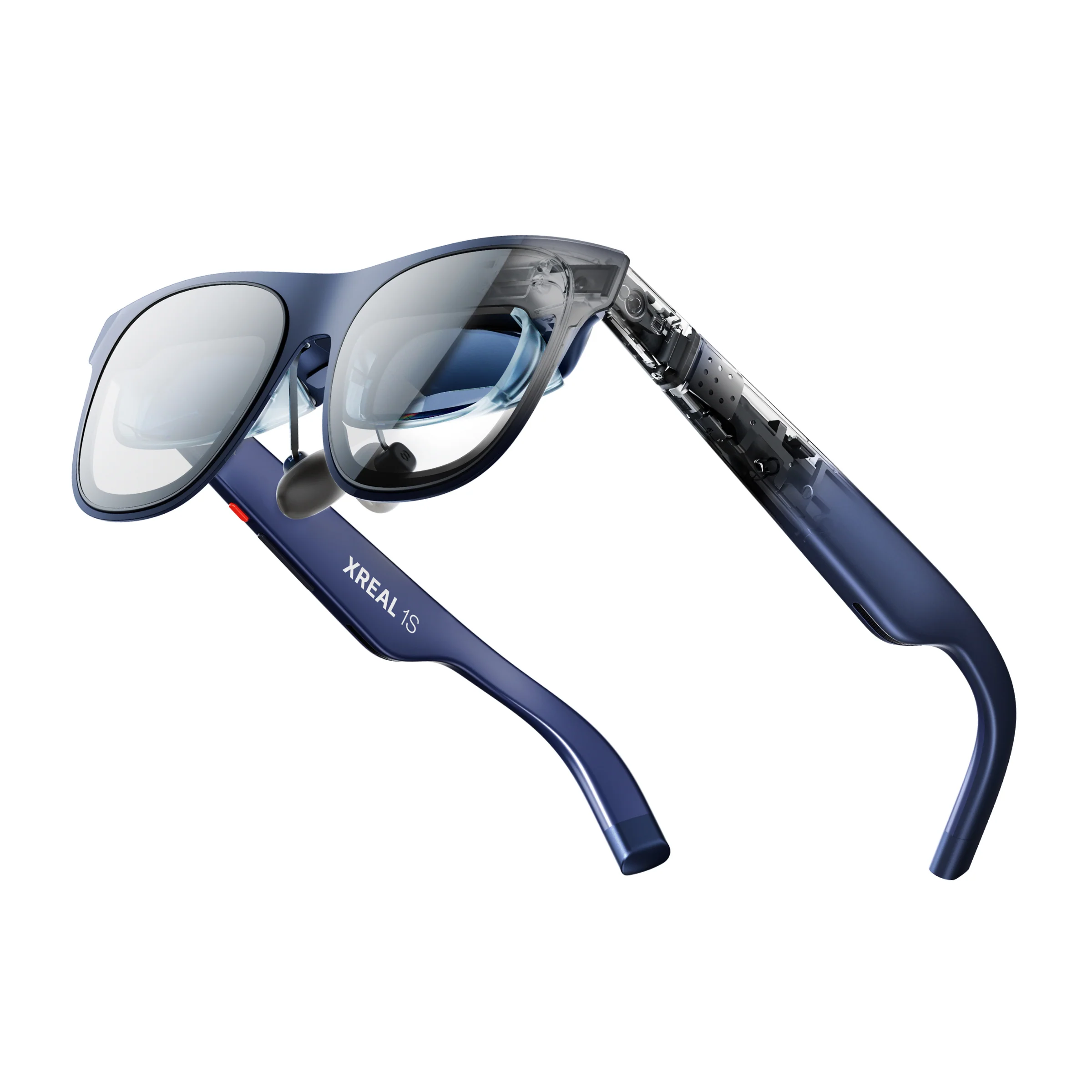
Here's how Aura works: instead of packing all the computing power into the glasses themselves, the heavy work happens on your phone or tablet. The glasses stay light and thin because they only need to handle what you see and track head movement. Think of it like a wireless display on your face — the glasses show you what your phone is processing.
This design solves a real problem. Most XR headsets today are heavy and get warm during extended use, which makes them uncomfortable. By keeping the glasses light, Aura stays closer to the form of regular eyeglasses, which means people might be less self-conscious wearing them in public spaces.
The glasses have a 70-degree field of view, which means you see a wider picture than XREAL's earlier models. It is not a full panoramic view, but it is a noticeable step forward.
Google plays a central role here. Android XR is Google's software platform for spatial computing — essentially, it sets the rules for how apps talk to the cameras, sensors, and AI tools inside the glasses. Because Aura uses Android XR from day one, software developers can build apps knowing the same basic framework will work across different manufacturers' XR devices. XREAL is counting on this ecosystem to create the applications that will actually make the glasses useful.
The company is offering a $199 credit on the final purchase to developers who get involved early. This is a common strategy: get devices into the hands of the people who will build apps before trying to sell to regular consumers. If the apps are not ready, the glasses alone are just an interesting gadget.
Right now, XREAL has confirmed a fall 2026 launch window and shared the technical specs, but has not announced the final price or exact release date. The quality of the development tools — the software toolkit developers use to build apps — will be just as important as the glasses themselves. A great piece of hardware paired with limited development tools does not become a finished product.
The XR market today is split three ways. Meta's Quest headsets are popular among consumers. Apple's Vision Pro is expensive but very capable. Google and XREAL are building something aimed at the middle ground: open to multiple manufacturers, familiar tools for app developers, a price point between the other two.
XREAL and Google are being smart about this. They are getting the glasses to developers first, before marketing to everyday people. That makes sense. The app catalog needs to be deep and interesting before anyone buys these for mainstream use.