Qualcomm Is Building AI for Tiny Devices You Can Wear
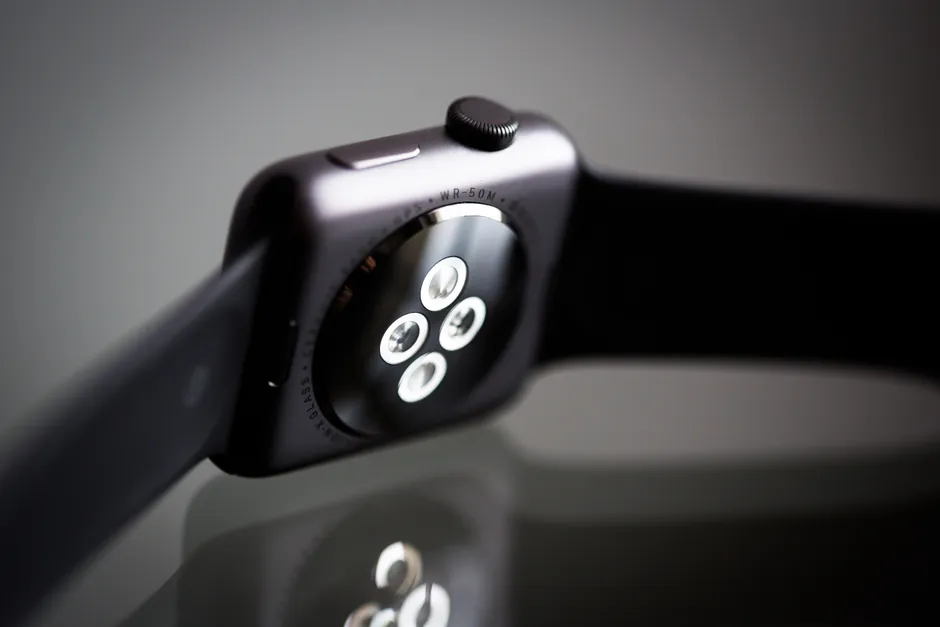
Qualcomm, a major computer chip maker, just said it is working with manufacturers on more than 40 designs for AI-powered wearable devices — things you wear like smartwatches, earbuds, pins, and jewelry, according to CNBC.
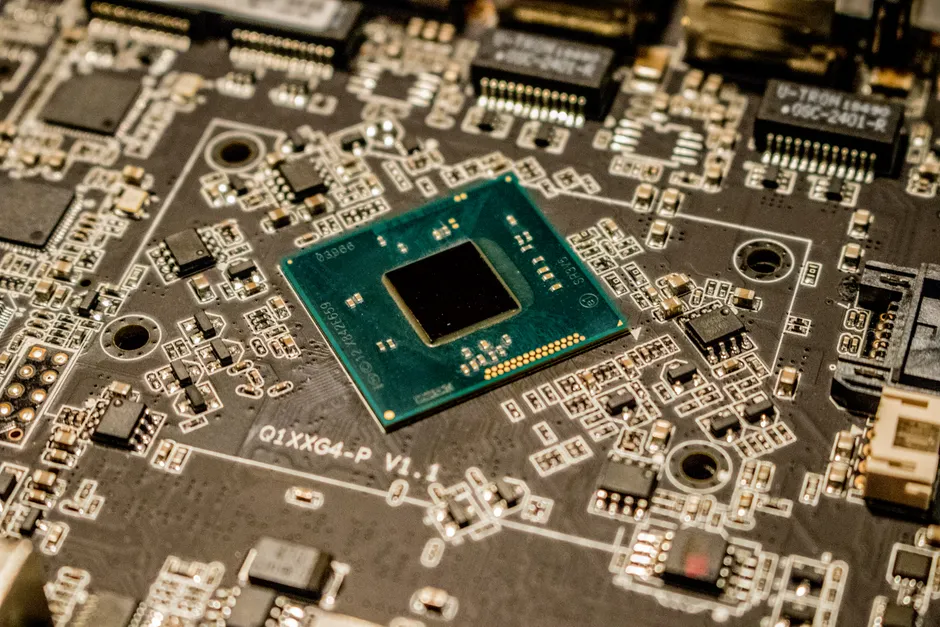
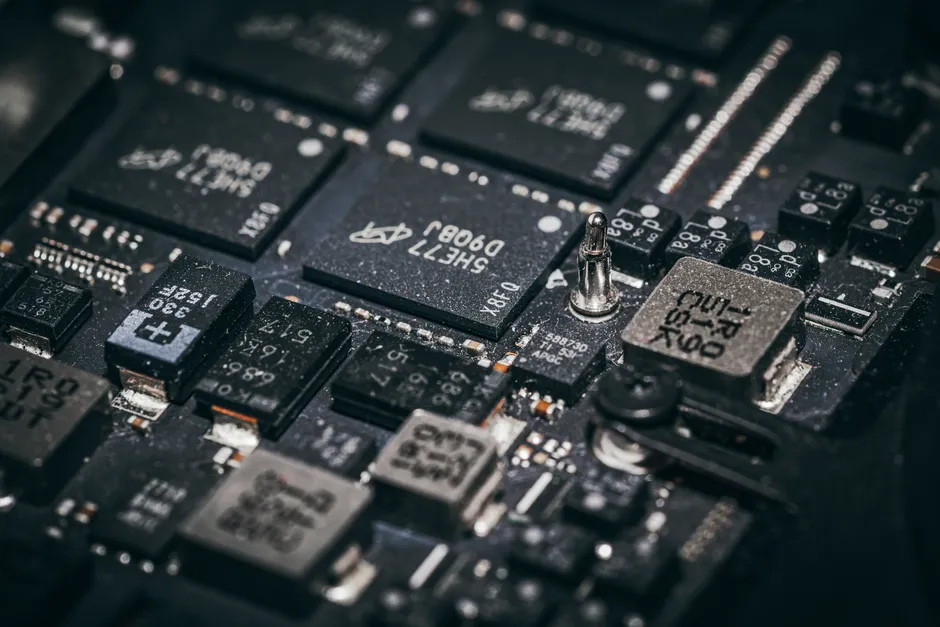
The variety of devices they are designing for is worth noticing. Camera-equipped earbuds and wearable pins have been tried before by other companies, some unsuccessfully. But Qualcomm has something others lacked: powerful processors specifically built for wearables. In March 2025, the company showed it could put AI processing directly onto these small devices — they can do 40 TOPS of computing work, per Qualcomm's own release.
What does that mean in practice? Think of it like having a small office worker in your earbud. Normally, earbuds send everything back to a big cloud computer to be processed — like asking a distant boss for help every time you need something. The new Qualcomm chips do some of that work right there on the earbud itself. This saves battery power (since you are not constantly sending signals over the internet), makes answers faster, and keeps your personal information on the device instead of sending it out.
The fact that there are over 40 different designs in the works tells us something important. Qualcomm is not saying "everyone must build this exact product." Instead, it is saying "here is powerful silicon that can go into many different forms, and our partners will figure out which ones people actually want." This is how Qualcomm built its success in smartphones — by powering thousands of different phone models rather than betting on one.
Here is the caution: wearables have promised breakthroughs before. Smartwatches took nearly ten years to find a reason people actually wanted them — health tracking, mostly — after being hyped as pocket-sized computers for your wrist. Camera-based devices you wear on your face have repeatedly tried and failed to catch on.
What might be different this time is the AI agent piece — software that can understand what you are doing and handle tasks without you spelling everything out. Instead of asking "what use is a computer on my wrist?" — a hard question to answer — the pitch is now "would you want an AI assistant that sits quietly on your body and helps when you need it?" That is still a tough sell to most people, and raises real questions about always being watched or recorded. But it is a clearer promise than wearables have offered before.
Qualcomm already makes the chips every serious wearable company will need. The fact that it is publicly announcing 40-plus designs suggests these are not just ideas — they are real projects inside real companies, moving from planning into actual engineering. Some devices are probably close to shipping, others still early.
Will any of these devices become something most people want to wear? Nobody knows yet. But the technology underneath is ready. The question now is whether people are.