DJI's New Budget Wireless Microphone Shakes Up an Expensive Market

DJI's New Budget Wireless Microphone Shakes Up an Expensive Market
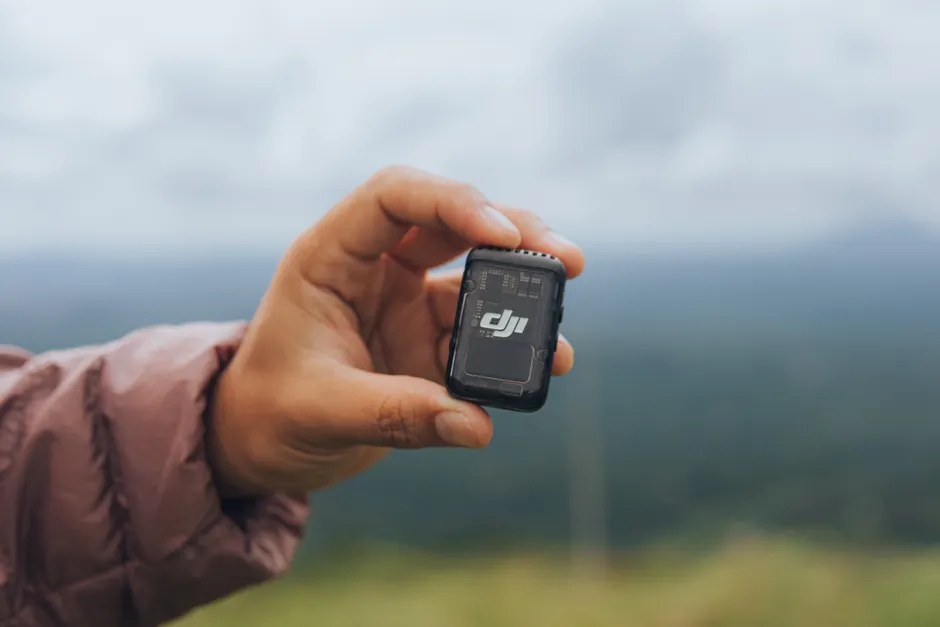
DJI, the company known for drones, has launched a new wireless microphone system called the Mic Mini 2. It costs about $26 to start, and anyone can use it — especially people who make videos for YouTube, TikTok, or similar platforms. The product is available now in China, with global rollout planned before the end of April 2025.
This is DJI's second attempt at a compact wireless mic. The new version improves on the original by adding more ways to connect it and letting you customize its appearance.
What It Looks Like and How It Works
The Mic Mini 2 is small. The main part — the transmitter, or the piece that sends sound — has a removable magnetic cover. You can swap out the cover to match the look you want. DJI includes black and white covers by default, with extra colored options available separately.
The microphone has three preset sound settings. Think of these like filters for your voice: they adjust how your words sound for different rooms or creative styles. You can pair it with multiple devices at the same time, which is useful if you're streaming to one platform while recording a backup version for another.
You can buy it as a single unit with one transmitter and a receiver for your phone, or go larger with two transmitters and one receiver. The bigger package costs about $63.
Why This Matters
Wireless microphones from established brands like Rode, Audio-Technica, and Sennheiser typically cost much more — often $200 and up. DJI's entry price of $26 is a fraction of that. The company is using its scale and manufacturing expertise to undercut traditional audio makers.
The removable cover idea solves a real problem: if you create content for multiple clients or brands, you can change how the microphone looks without buying a whole new one.
DJI has followed this playbook before. It made drones affordable when they were expensive toys for hobbyists. Now it's doing the same with audio equipment, building on skills it developed in manufacturing and supply chain management.
How the Technical Pieces Fit Together
The ability to connect to multiple devices at once likely uses Bluetooth technology that handles more than one link simultaneously, or a custom wireless system DJI designed itself. This addresses a real workflow problem: creators often need to record the same audio in different formats for different platforms.
The three voice presets suggest the microphone is doing some audio processing on the device itself — not just transmitting sound, but making adjustments to it in real time. This typically includes adjustments for tone, volume levels, and filtering out background noise.
The charging case works like the ones you see with wireless earbuds. You charge the case, and it keeps the microphone powered for longer recording sessions. This matters because battery life has always been a limiting factor for wireless audio tools.
The Bigger Picture
This follows a pattern we've seen before. When smartphones started getting better cameras, they forced traditional camera makers to either compete on price or focus on features that phones couldn't match. DJI is doing something similar with audio equipment — using efficient manufacturing and smart design to challenge companies that have relied on high prices for decades.
The timing makes sense. Millions of people create videos now — on their phones, at their desks, for side projects. Most are price-sensitive. If they're choosing between a $200 wireless mic and a $26 one, price matters.
Whether the Mic Mini 2 actually sounds good is the real test. Established audio companies have spent decades learning how to capture clean sound and filter out noise. DJI has no such track record in audio. On the other hand, the company has repeatedly delivered products that work well at low prices. It's a gamble that comes with real unknowns.
For someone just starting to make videos and struggling with audio recorded on their phone, this could be a genuine breakthrough — affordable enough to try, easy enough to use, and small enough to carry anywhere. Whether it's a lasting product or a novelty will depend on how well it actually performs in the hands of creators.