Superhuman Is Buying the App That Takes Your Meeting Notes

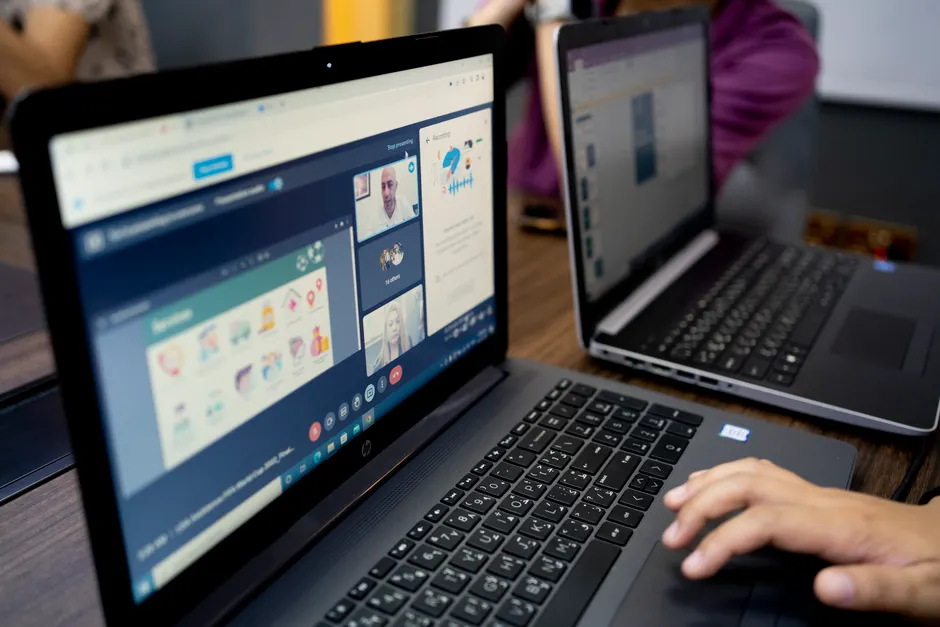
Superhuman is buying Fathom, an app that takes notes during online meetings.
The deal was made public on September 14, 2026. The price was not shared. Fathom was started in 2020 and is led by CEO Richard White, according to TechCrunch. It was backed by Y Combinator. It reports more than 400,000 monthly active users. Over 1 million people have recorded a meeting with it.
Fathom has raised over $30 million. PitchBook data put its value at $94 million in 2024. Backers include Reddit CEO Steve Huffman, former Twitch CEO Emmett Shear and Cruise co-founder Kyle Vogt. Named funds include Zoom Apps Fund, Telescope Partners, BoxOne Ventures and Maven Ventures.
Superhuman tried its own notetaker with a small group earlier in 2026 before deciding to buy Fathom.
The broader context here is that large productivity companies want meeting notes built in. Standalone notetakers showed people will let a bot join a call and trust its summary. Platforms could then link to such a tool, copy it, or buy one. Superhuman chose to buy.
In my view, the real prize is not writing down words. It is what happens when those notes live next to email, calendar and to-do lists, like keeping your meeting notebook in the same drawer as your work files. Action items, customer records and follow-up drafts get better when they share the same logins and rules. A separate app must ask for access each time. A platform can connect it directly.
Looking at what this means for teams using these tools, accuracy is only the start. Harder questions are where recordings are stored, who can read whose meetings, how long the audio is kept versus the written notes, and how summaries reach official records. One system is simpler to manage. It also puts more eggs in one basket, so tech and security leads will want clear answers on keeping each customer's data separate and keeping a record of who looked at what, especially in regulated jobs.
Worth flagging is the everyday reliability folded into the deal. Joining calls on time, telling speakers apart on bad audio, and writing summaries for hundreds of thousands of users means handling late joiners, calendar mix-ups, permission notices and noise. Buying a system that already does this avoids many fixes a new prototype has not yet faced.
The optimistic case is straightforward. Less time on manual notes can mean better shared memory and better follow-through, if people can find and trust what was saved.