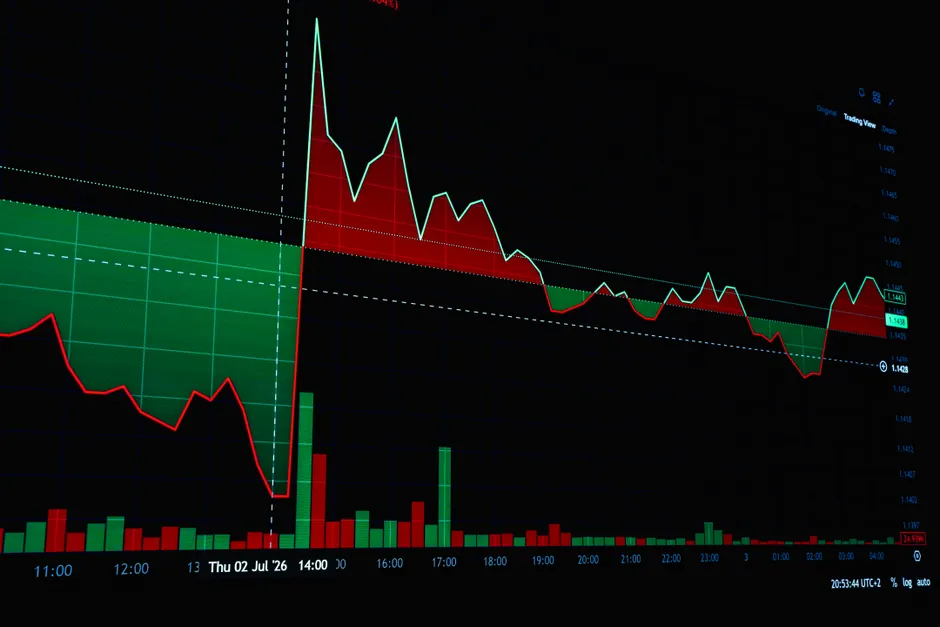
Why U.S. Stocks Fell on Sept. 14: Oil, Higher Rates and AI Worries
U.S. stocks fell on Monday, September 14, 2026, as oil prices and borrowing costs rose. Yahoo Finance
TheStreet reported drops of 0.75% for the S&P 500, 0.28% for the Dow Jones Industrial Average and 1.17% for the Nasdaq Composite on September 14, 2026, led by big tech stocks. TheStreet
Tech led the drop. U.S. stocks fell after Anthropic CEO Dario Amodei called for a slowdown in AI development. Wall Street Journal
Rising oil prices raised worries about interest rates during the drop. Wall Street Journal
On September 14, 2026, AI stocks fell on calls for a slowdown as rising oil pushed the 10-year yield to 5%. Yield means the interest the government pays to borrow for 10 years. Boston Herald
Reuters reported that Wall Street fell as AI worries hit Nvidia and chipmakers. Reuters
That Reuters report put the drops at 0.23% for the Dow, 0.42% for the S&P 500 and 0.44% for the Nasdaq on September 14, 2026. Reuters The two reports gave different numbers for the same day. Results varied a lot below the surface.
On September 14, 2026, chipmaker stocks fell while software stocks rose. Reuters
The drop was not only in New York. AI-linked stocks fell around the world on Monday, September 14, 2026. Reuters
Jobs news had set the tone earlier. The Wall Street Journal's news archive for September 4, 2026 lists a headline starting U.S. Stocks Fall as Robust August Jobs readers can consult in the archive. WSJ Archive That archive also lists the headline "American Workers Have Slammed the Brakes on Switching Jobs." WSJ Archive
The broader context here is pressure from two sides. Think of higher rates like a heavier backpack for stocks. Oil can push up prices. That can keep interest rates high. When rates are high, far-off profits count for less today. Costly AI projects feel that first, and bonds did not help.
In my view, what happened inside the market matters more than the headline numbers. Chipmakers fell while software rose. Investors asked which firms get paid for AI sooner, with longer contracts and safer profits. Funds that stay close to an index can feel that uneven trading quickly.
Looking at what this means for positioning, the key link now is AI spending plans and borrowing costs after inflation. A slowdown call changes what big tech buyers are expected to spend. With the 10-year at 5%, it is harder to justify high prices. The open question is whether shorter profit plans offset higher rates, or whether uneven trading lasts into end-of-quarter hedging.