Why Stocks Fell When Safe Government Returns Hit 5%

U.S. stocks closed lower on September 18, 2026. The Dow fell 0.34%, the S&P 500 fell 0.12% and the Nasdaq ended flat. Reuters
The main government borrowing cost rose that day. The benchmark Treasury yield hit 5%. Reuters That yield is the yearly interest the government pays to borrow. Stocks fell as yields rose. Wall Street Journal Oil prices took a pause. Reuters
Live reports described the Nasdaq and S&P 500 edging lower on September 18. TheStreet The Dow was headed for its third straight weekly loss. Wall Street Journal
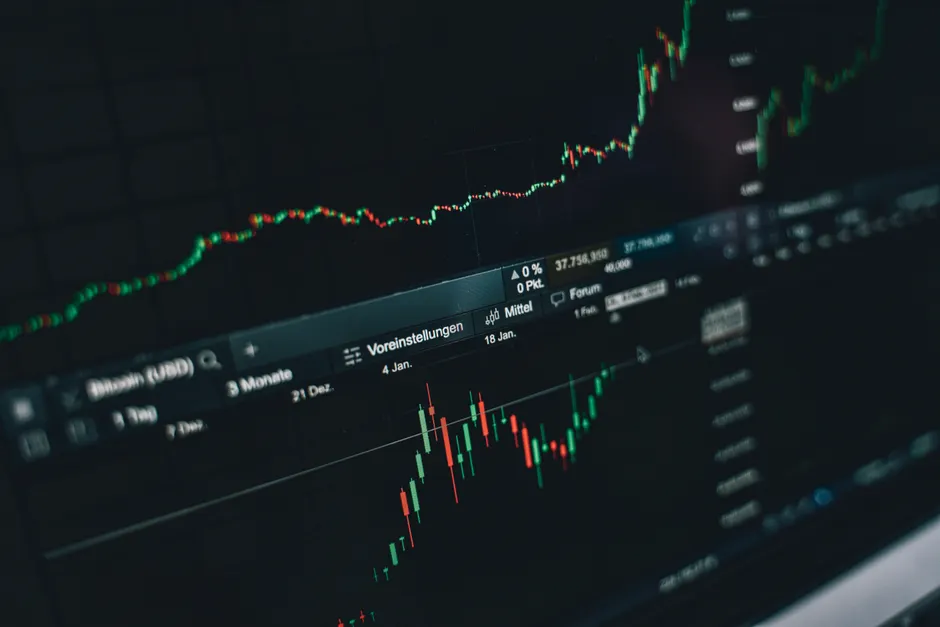
The dip came after gains on September 17, 2026. The Dow rose 316.14 points, or 0.6%, to 51,778.04. AP The Nasdaq composite rose 439.87 points, or 1.7%, to 26,418.30. AP Most firms in the S&P 500 fell while the index edged up as chipmakers rallied. Bloomberg Bitcoin topped $80,000 the same day. Bloomberg
The pullback broke a run higher. On June 30, 2026, U.S. stocks closed out a quarter with fresh momentum and major indexes posted their best quarterly gains in years. Wall Street Journal On September 14, 2026, AP reported the Dow was up 4,357.91 points, or 9.1%. AP AP reported the Nasdaq was up 2,944.42 points, or 12.7%, and the Russell 2000 was up 410.33 points, or 16.5%. AP
Weekly losses like this have come before. The Wall Street Journal reported weekly losses for all three major indexes on July 16, 2021, with the S&P 500 down 1%, the Dow down 0.5% and the Nasdaq down 1.9%. Wall Street Journal Earlier, a Friday session capping August 2019 saw the S&P 500 edge up less than 0.1%. Wall Street Journal The Journal also documented another stretch with its April 17, 2025 report titled Dow Industrials Fall, Capping Another Tough Week on Wall Street.
The broader context here is what 5% means for your money. When safe government interest pays that much, loans can cost more and saving can look better than owning risky stocks. That is why a 0.12% fall in the S&P 500 and a flat Nasdaq still count. The headline looked calm, but most stocks fell.
In my view, the run from September 14 to September 18 needs care. Chip stocks led, Bitcoin moved above $80,000, then high yields pulled stocks down while oil rested. That points to worry about borrowing costs after inflation, not just company profits. The question now is whether that high yield sticks. If it does, small daily falls can add up to weeks of losses, so holding extra cash and protection matters more than guessing direction.