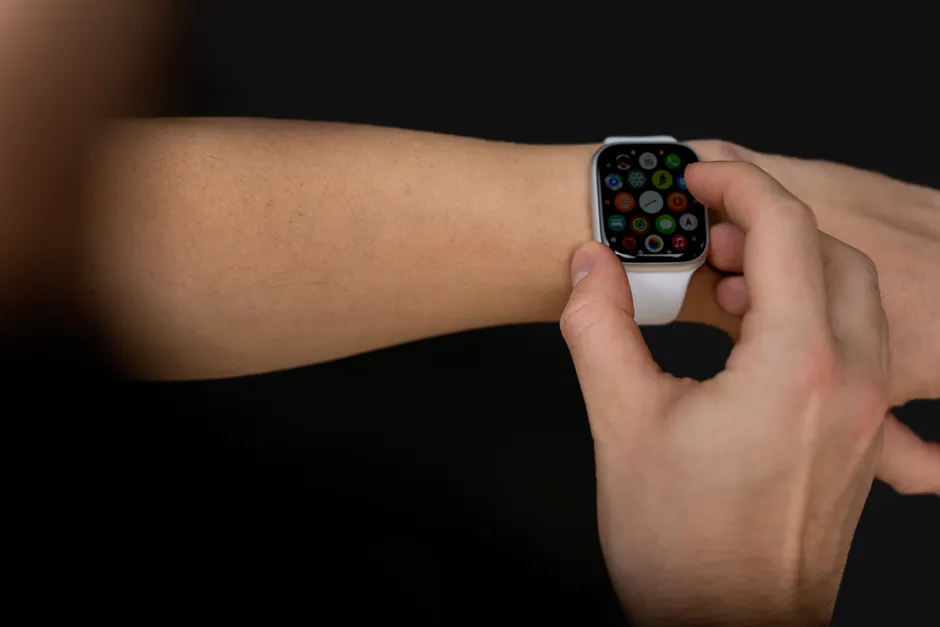
Can Your Wristband Actually Track Your Hormones? This Startup Just Raised $11 Million Trying.

Clair Health, a company building a wristband that measures hormones without a blood test, raised $11 million in funding on June 17, 2026. The company was started by two Stanford graduates and is run by CEO Jenny Duan.
Today, if you want to know your hormone levels, you have to go to a doctor and have blood drawn. Most wristbands and smartwatches measure things like heart rate and sleep instead. They skip hormones altogether. Clair Health's device, the company says, will track hormones directly — plus sleep, activity, heart rate, and recovery.
Why is this so hard? Hormones exist in your blood in tiny, tiny amounts. A wristband typically uses light sensors to measure things through your skin — think of it like a simple optical scanner. But those sensors have never been sensitive enough to detect hormones buried in all that noise. Other companies have tried and failed. Abbott and Dexcom eventually figured out continuous glucose monitoring, but they had to put a thin sensor under your skin instead of relying on a wristband.
Right now, no one knows exactly how Clair Health plans to solve this. Is the company using a brand new type of sensor? Or is it using artificial intelligence to estimate hormones from other measurements your body produces? The answer makes a big difference. A real breakthrough in sensing is very different from using software to guess. Doctors and informed users will care about which one it is.
The wearables industry has gotten ahead of itself before. Apple Watch promised to detect heart rhythms, then blood oxygen levels, and some of those claims later had to be toned down. Going from a working demo to something doctors will actually trust is always messier than the initial hype suggests. That does not mean Clair Health is doing anything wrong — at this early stage, building toward proof is exactly what you should be doing.
But the market opportunity is real. Over the past few years, a lot of investors have backed women's health startups. The reason is simple: there is real demand, sensors are getting smaller and better, and people have shown they will wear these devices all day if the information feels useful. Think of Oura rings, WHOOP bands, and Apple Watch. Hormone tracking could help women monitor their menstrual cycles, prepare for menopause, track fertility, or manage stress. Right now, your only options for those are either uncomfortable, available only once in a while, or not available at all.
The Stanford connection helps in practical ways. To test a health device properly, you need access to hospitals and research teams. You also need investors who will stick around while the company goes through the slow regulatory approval process that all medical devices face. Stanford people tend to have both of those things.
Eleven million dollars is a decent amount of money to build hardware and run early studies. But it might not be enough to get the device through full regulatory approval if the hormone tracking claims require the FDA to officially classify the device. The next funding round — and what evidence backs it up — will tell the real story.
For now, Clair Health is making an ambitious bet. Whether the science actually works will become clear over the next couple of years as the company publishes results and goes through regulatory review.