Meta May Show Glasses With No Camera

Meta may show new smart glasses called Luna next week at its Connect event, according to reporting from The Verge citing The Information.
Luna has no camera. It has speakers for sound and six microphones for talking with Meta AI and the Muse AI agent. There is no screen in the lens and no button for taking pictures.
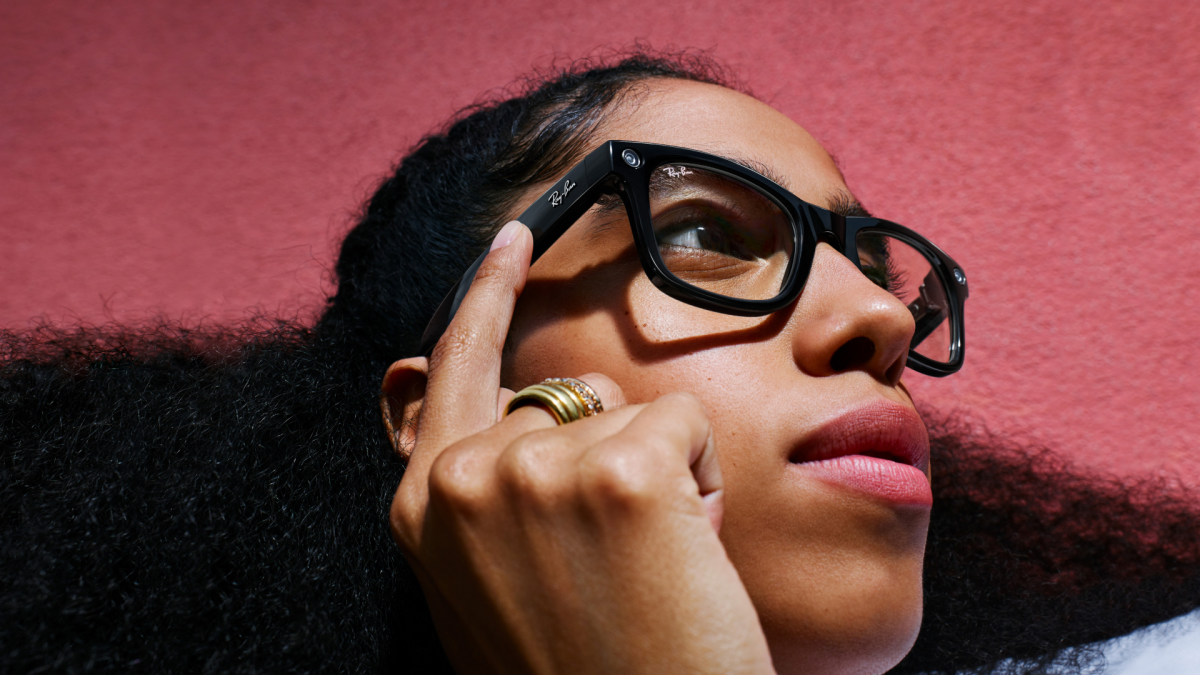
Without a camera, Meta could make the arms thinner and the glasses look more like normal glasses. Camera parts make glasses thicker, hotter, and harder on battery life. Sound-only glasses ease those problems.
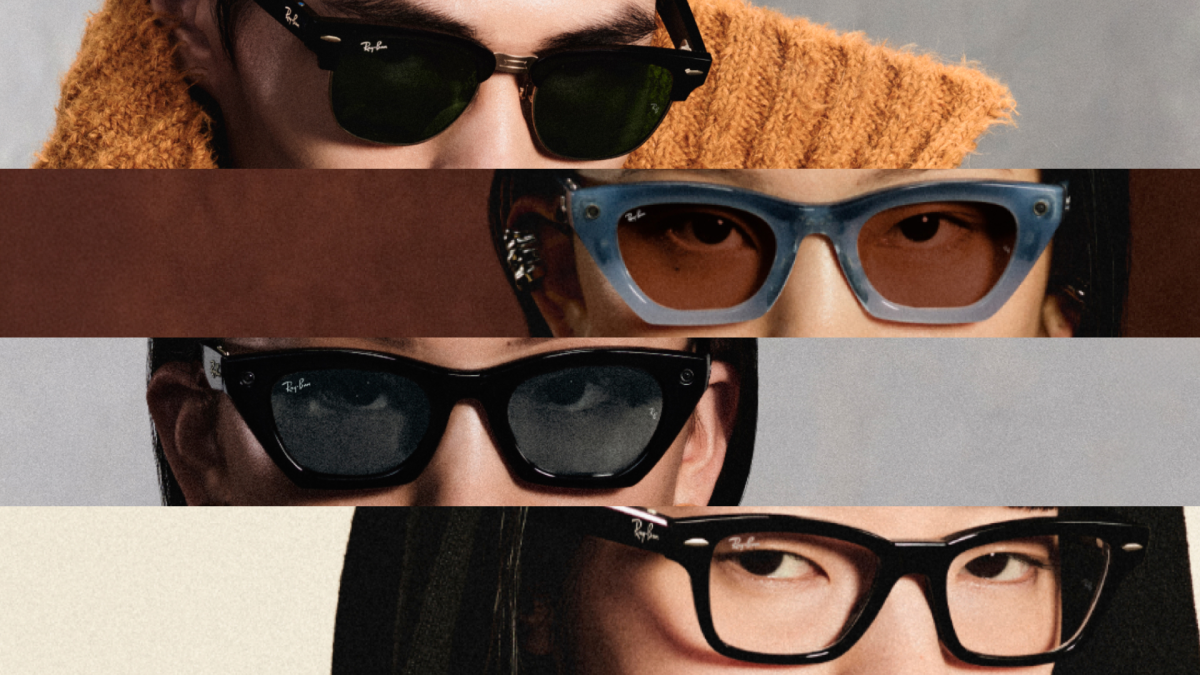
Meta reportedly plans to sell Luna in October in two styles, Clubmaster and Burbank. The plan, described in the September 16 report, is to show it at Connect and sell it in stores soon after.
Connect should also show a second device. AR glasses codenamed Phoenix can place a work screen or movie screen in front of your eyes. They are planned for 2027.
The first report came from The Information on September 15, 2026 at 3:22pm PDT, under the headline 'Meta to Launch Camera-Free Smart Glasses Amid Mounting Privacy Concerns'. Reuters reported the same day that Luna would come this fall, as questions grow about smart glasses.
The broader context here is privacy. With a phone, people see you lift it to record. With camera glasses, they do not. Luna avoids that worry by leaving the camera out.
The technical picture here is about sound, not pictures. The key tasks are hearing your voice from far away, focusing on you in noise, blocking echo from the speakers, and listening for a wake word without draining power. Six microphones help in street noise and crowded rooms, where one- or two-microphone designs struggle. Think of it like ears tuning into one voice at a noisy table. The main wait is how fast it understands and replies over the internet.
In my view, Luna is the simpler test that matters now. Phoenix promises floating screens for work and movies. That is helpful, but it needs brighter screens, a wider view, comfort for different eyes, and all-day battery, problems the industry has faced for ten years. Luna asks whether people will wear normal-looking glasses all day if they answer reliably.
For historical context, rivals are moving too. Bloomberg News has reported Apple plans smart glasses for the end of next year, via a May 2025 Reuters report. Meta and EssilorLuxottica were also thinking of doubling production of Ray-Ban AI-powered smart glasses, according to a January 2026 Reuters report. Neither tells us how many Lunas will sell, but both suggest the industry expects buyers beyond early fans.
Worth flagging for work use, no camera changes the rules. Staff cannot use Luna for first-person video for remote help, checks, or records. But firms face fewer reviews on storing video and getting consent. IT teams will care less about managing photos and more about Bluetooth pairing, a clear microphone off switch, and where voice notes are kept, on the glasses or in the cloud.
From watching my kids grow up with Bluetooth headsets, camera phones, and AirPods, I learned one pattern. The winner was not the strongest gadget. It was the one people forgot they were wearing. Meta seems to bet Luna can do that by dropping the camera and letting the helper do the work.