Meta Is Making Smart Glasses With No Camera

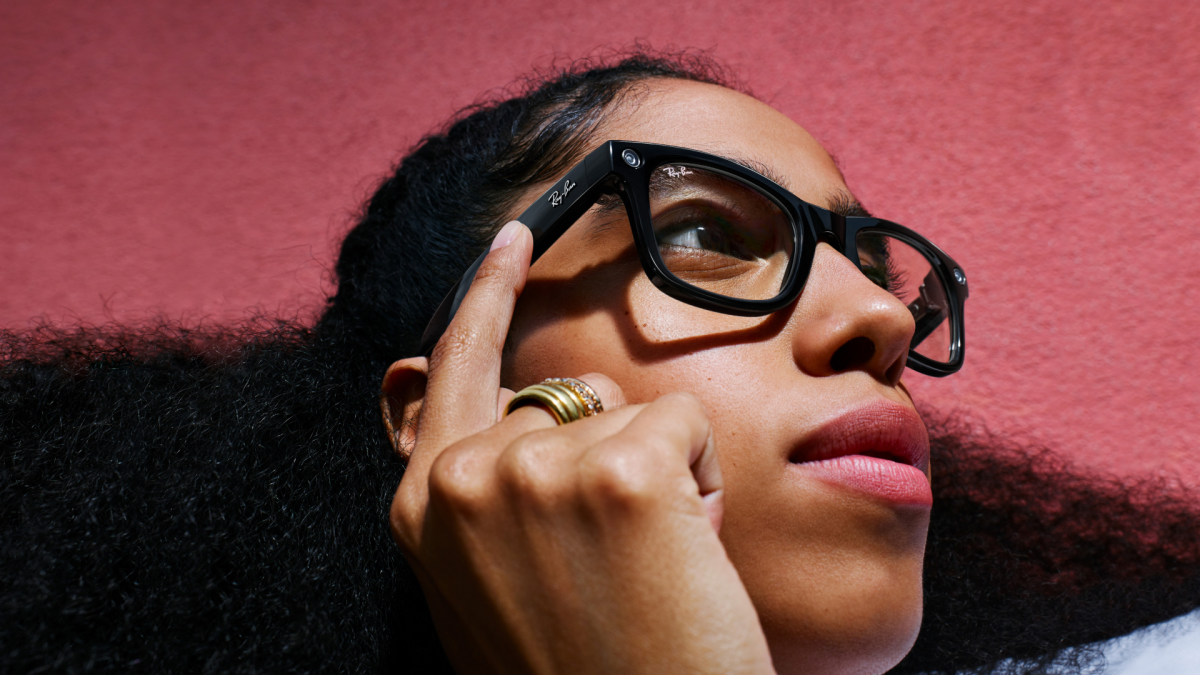
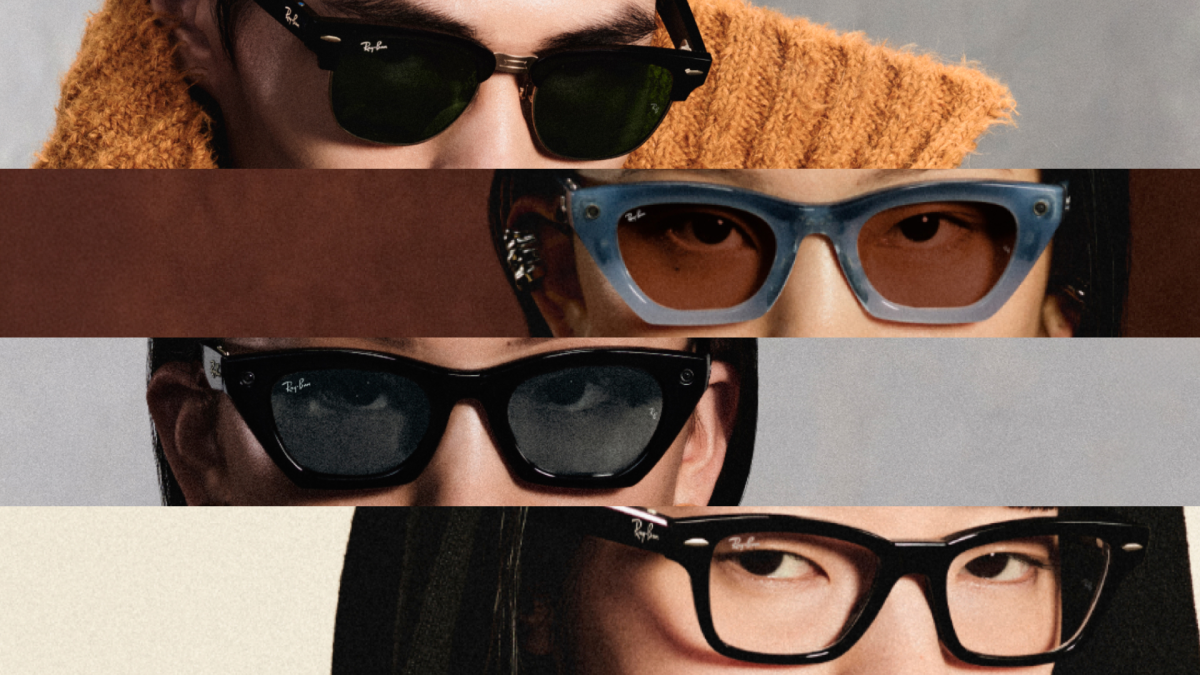
Meta is building smart glasses with no camera. The project is called Luna.
TechCrunch reported the plan on September 16, 2026, based on reporting by The Information.
Reuters reported the same project a day earlier, on September 15, 2026, also citing The Information. That report pointed to a fall release. The later report added details about the hardware and timing.
Luna has no camera system at all. There is no sensor, no small recording light, and no way to take photos or video on the device. It works by sound and AI. It has six built-in microphones to talk with Meta's AI chatbot and Muse, and a button on the side you press to start the AI.
The camera is gone. The microphones are still there. That difference will shape how people judge it.
TechCrunch reported Luna may be shown at Meta Connect. That is Meta's yearly hardware event in Menlo Park, set for the week after September 16, 2026. Engadget reported shipping could start as soon as October.
Luna would be sold next to Meta's glasses with a screen, not instead of them. The $799 Meta Ray-Ban Display has a screen in the right lens, according to Bloomberg. It can show text messages and video calls. Meta's hardware group is Reality Labs. The company had planned to release new high-end glasses with a built-in screen in 2025.
The news comes as glasses with cameras face pushback in public places. Movie theaters in Britain are bringing in rules to ban or limit camera smart glasses, including Meta's AI glasses, over movie piracy fears. Reuters reported that on August 20, 2026. TechCrunch linked Luna to complaints about selling "pervert glasses," a short way to describe fears about secret recording that have followed head-worn cameras from the start.
Rivals are splitting the same way. HTC's $499 Vive Eagle glasses work with voice and AI assistants from Google and OpenAI, according to Bloomberg. Apple is working on several frame styles and a different camera design for its first smart glasses.
The broader context here is a split in what glasses do. For two years, smart glasses have done three things: see, hear, and answer. Luna separates them. The screen stays as the high-end visual option. The camera stays as the debated recording option. Sound plus assistant becomes a simpler option, like smart earbuds built into glasses.
Looking at what this means for adoption, taking out the camera fixes one problem but not all trust questions. Theater owners and other people nearby worry about being recorded. Six microphones cannot record video, but they can listen and send speech to the cloud for AI answers. Work buyers and privacy-minded users will want to know when it listens, what stays on the device, what the mute switch does, and what is saved. Those details will matter more than the look.
In my view, there is a simple everyday bet here. My children never took to head cameras, but they took to earbuds and voice questions right away. For workers already used to dictating texts, asking an AI helper, and taking calls hands-free, putting that in glasses may feel normal. If Luna answers fast and hears well in noise, it could get daily use as a voice device, even with no visuals.
That still leaves the platform question open. A screen gives app makers something to show. A camera gives AI something to see. A sound-only pair depends fully on how good the assistant is, how clear the mics and speakers are, and how long the battery lasts on long voice use.
The optimistic read is simple. Choice helps. People who want help and alerts without bringing a camera to movies, work, or family events get an option. People who want a screen keep one. Wearables tend to catch on when they fit in, and normal-looking glasses with no camera staring back may fit in more easily.