U.S. Says It Will Deny Visas Over Race Discrimination — Here's What to Know
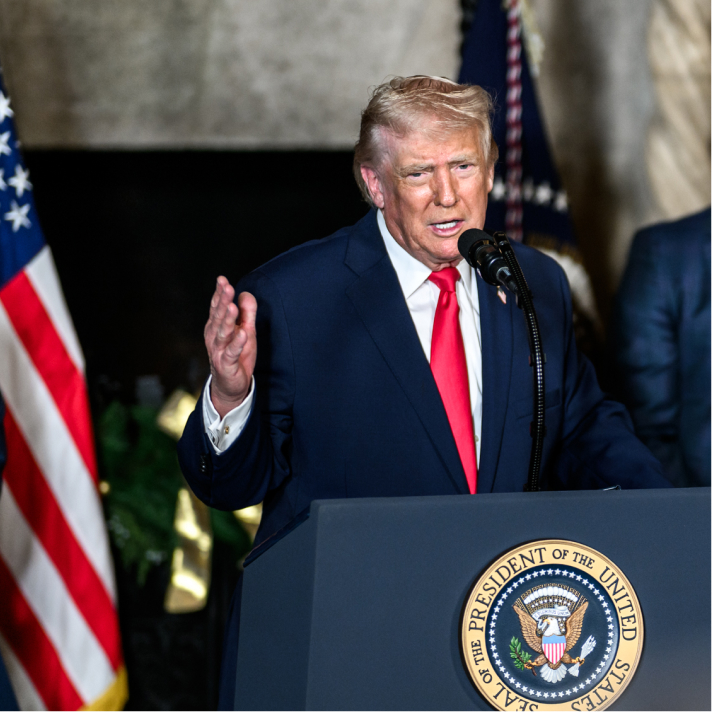
Secretary of State Marco Rubio announced on September 15, 2026 that the U.S. will deny visas to foreign citizens involved in race-based discrimination.
The announcement came as a State Department press statement. The release describes a visa restriction policy for foreign citizens involved in race-based discrimination. Think of a visa as an entry ticket to the U.S. This rule would block that ticket. U.S. Department of State
The stated scope is wide. It covers foreign citizens generally. The trigger is involvement in race-based discrimination. The summary does not name the laws behind it, the exception groups, or the proof officers need.
The announcement follows earlier U.S. actions concerning South Africa. On February 7, 2025, the White House published a presidential action titled "Addressing Egregious Actions of The Republic of South Africa." White House
A February executive order from President Donald Trump created a refugee program for "Afrikaners in South Africa who are victims." A refugee program gives a safe path to live in the U.S. That detail comes from July 25, 2025 reporting by Reuters on U.S. guidance for the program. Reuters
On March 11, 2026, Trump said white South Africans are persecuted. Reuters reported the remarks on March 12, 2026. Reuters
Separately, the White House states that the State Department paused immigrant visa processing for 75 countries. These are visas that lead to permanent living in the U.S. The White House lists the pause under border and immigration priorities. White House
Inside South Africa, Reuters reported on July 10, 2026 that anti-immigration protests were intensifying.
The broader context here is how entry rules can be used to press other governments. Rules for keeping people out and rules for protecting people rest on different laws, but officials read them together. One decides who cannot enter. The other decides who gets protection. When both are used in the same relationship, embassies and visa offices take note.
Looking at what this means for governments, lawyers, and ordinary people, practical questions are still open. It turns on how Washington defines involvement. That will decide if the rule covers only government officials who run unfair laws or also private people, employers, and political figures accused of stirring hate. It will also decide how visa officers judge cases, if any exceptions exist, and if decisions are public or quiet at the interview. For Pretoria and other capitals, the next job is to ask for details through diplomats and to check local laws and practices that could fit the U.S. definition.


